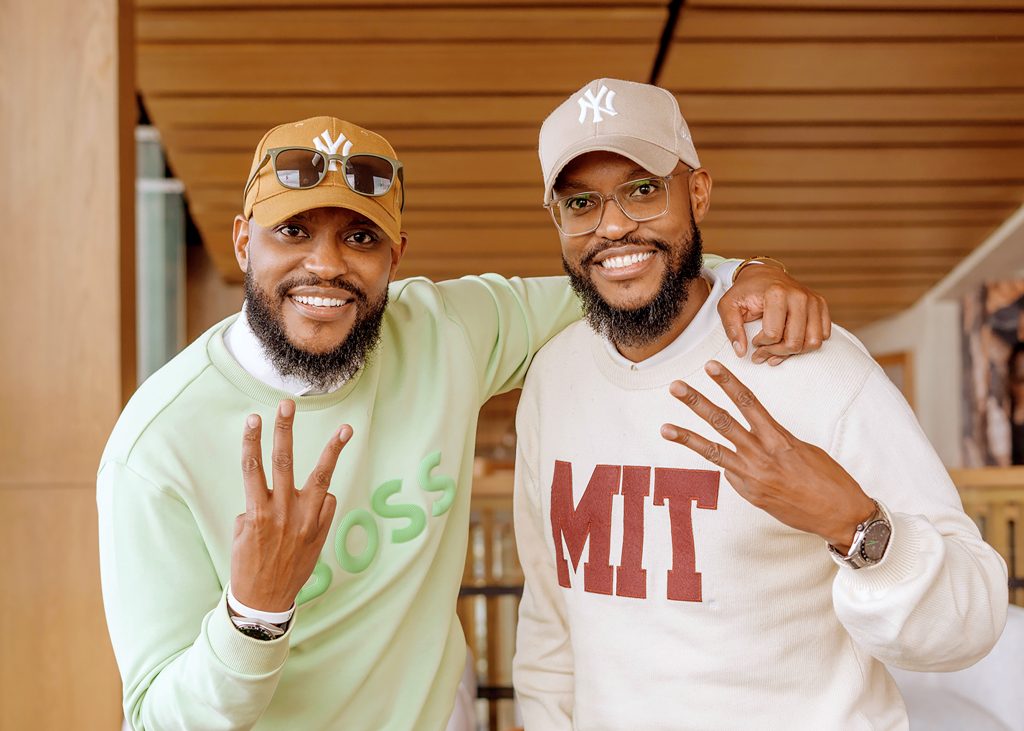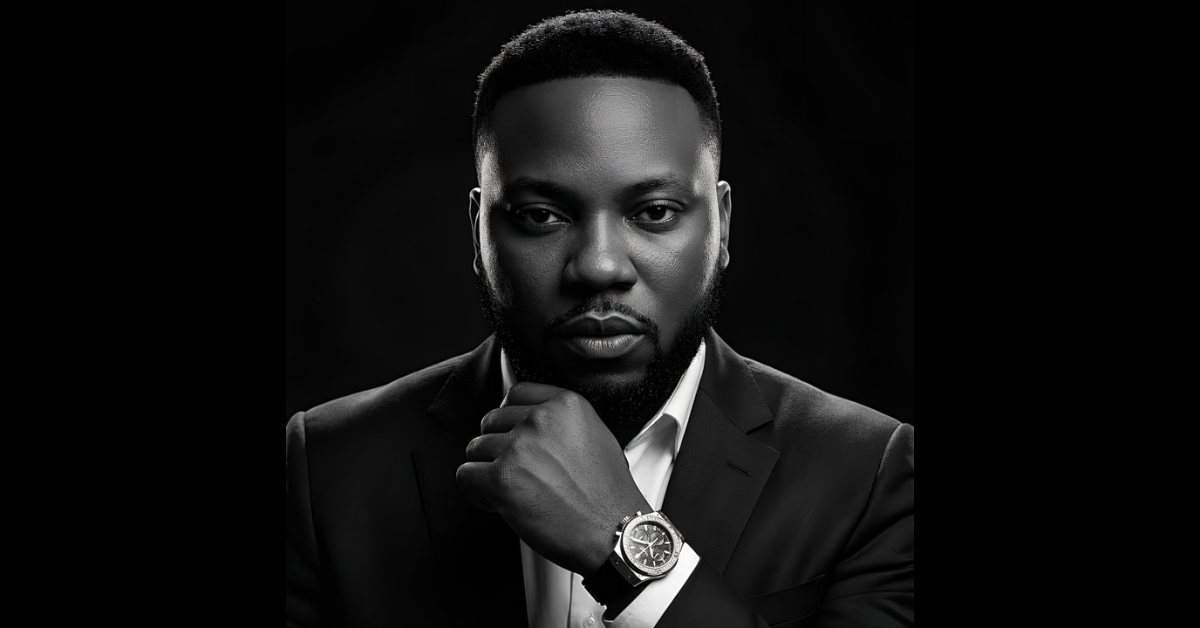
For Emmanuel Ajao, founder and CEO of Profiled Nigeria, a career in technology did not begin with a grand ambition to build a startup. It began with a sense of unease, one shaped by Nigeria’s everyday digital reality.
Across the country, routine online interactions often come with hesitation. Paying a vendor can feel risky.
Responding to a message from a stranger can feel uncertain. Even arranging to meet someone online can feel like a gamble.
According to Ajao, this is not because Nigerians are overly suspicious, but because experience has taught them to be cautious.
“At some point, that constant caution stopped feeling like a personal habit and started looking like a systemic failure,” he said.
Nigeria, he observed, does not lack innovation. Digital platforms, mobile adoption, and entrepreneurial energy are widespread. What has been missing, however, is a reliable way to answer one of the most basic questions in the digital economy: who am I really dealing with?
That question, Ajao says, followed him everywhere and eventually shaped his work in tech.
Seeing the trust prroblem up close
Before founding Profiled Nigeria, Ajao worked as a cyber defence and forensics analyst, a role that exposed him to the fragile nature of trust in Nigeria’s digital spaces.
He saw individuals hesitate before making payments, small business owners struggle to prove their legitimacy online, and young, tech-savvy Nigerians still fall victim to scams.
What stood out, he says, was not recklessness but the lack of alternatives.
“There was no neutral layer that could say, ‘This person is real. This business checks out. This interaction is safer than guesswork,’” Ajao explained.
In most cases, verification only happened after something went wrong, through screenshots, social media posts, or police reports. Preventive tools were largely absent. That gap, he says, became impossible to ignore.
Building the missing layer
Profiled Nigeria emerged not from a desire to build a company, but from repeated exposure to the same unresolved problem.
While Nigeria has built platforms for payments, logistics, communication, and discovery, Ajao noticed that trust, the layer all of these depend on, was often assumed rather than designed.
“I decided to work on that layer,” he said.
Profiled Nigeria focuses on identity verification, profile validation, and trust signals that help individuals and businesses reduce risk before transactions occur. The emphasis is on prevention rather than reaction—verifying identities before money changes hands or relationships are formed.
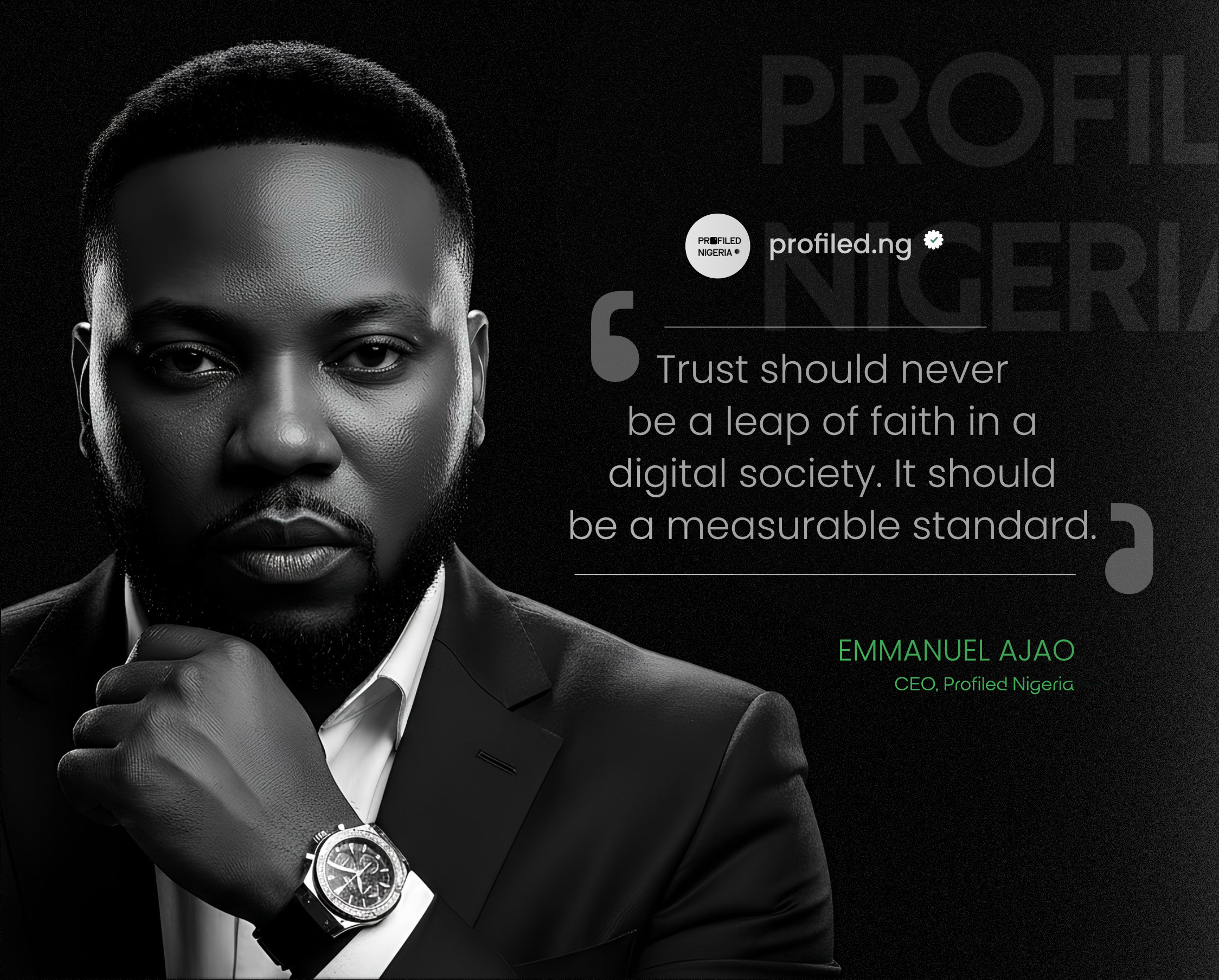
“The goal is simple,” Ajao said. “Make verification easier than blind belief.”
Trust as economic infrastructure
Although Profiled Nigeria is one company, Ajao believes the implications of trust infrastructure extend far beyond a single product.
Every verified interaction, he argues, reduces fraud risk. Every trusted transaction encourages broader participation in the digital economy. Over time, layers of accountability help strengthen confidence in online systems.
“Trust isn’t a soft value,” Ajao noted. “It’s a multiplier.”
According to him, when people trust systems, they transact more freely. When businesses feel protected, they scale faster. When young people feel safer online, they explore opportunities instead of retreating from them. This, he believes, is how digital prosperity takes root.
Future ambitions
Nigeria is approaching a critical point in its digital evolution. Conversations around digital identity, financial inclusion, youth innovation, data protection, and online safety are becoming more urgent. As government policy continues to evolve around digital IDs and platform regulation, Ajao believes one lesson is clear: technology adoption without trust will eventually stall.
Nigeria’s youth, he says, are already online—building, learning, and transacting every day. What they need are systems that protect them while they innovate.
“My work in tech is my contribution to that future,” Ajao said. “A future where verification is normal. Where trust is designed, not assumed. Where digital progress doesn’t come with hidden risk.”
Nigeria’s digital economy will continue to grow, he believes. The unanswered question is whether it will grow safely.
“That’s the problem I chose to work on,” he said. “And that’s where my life in tech continues.”