Nigeria’s Ministry of Communications, Innovation, and Digital Economy will review MTN Group’s proposed $2.2 billion acquisition of IHS Towers, a landmark deal that would hand Africa’s largest mobile operator full control of one of the continent’s most extensive tower portfolios.
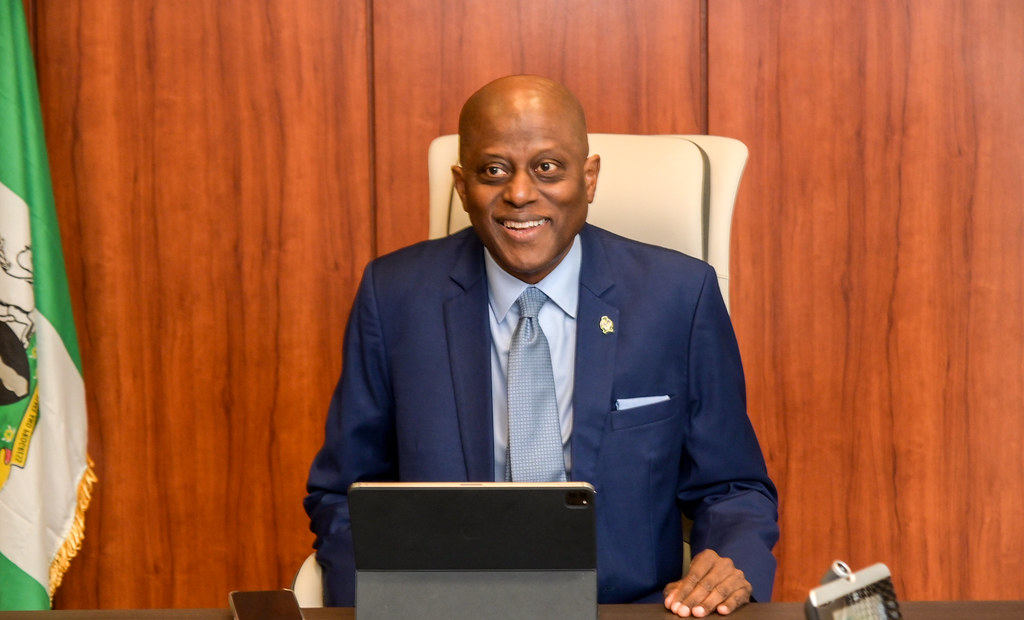
In a statement issued on Tuesday, Minister Bosun Tijani said the Ministry would undertake a “thorough assessment” of the transaction in collaboration with relevant regulators, citing the strategic importance of telecoms infrastructure to national security, financial services, and economic growth.
“Our objective is clear: to ensure that any market consolidation or structural changes protect consumers, safeguard investments, and preserve the long-term sustainability of the sector,” he said.
The ministry’s intervention underscores how sensitive infrastructure consolidation has become in Nigeria’s fragile but recovering telecoms market. After years of currency volatility, rising tower lease costs, and debt pressures that strained operators and tower companies alike, regulators are now balancing investor confidence with competition, consumer protection, and national interest.
Earlier on Tuesday, MTN confirmed it had agreed to acquire all outstanding shares in IHS that it does not already own at $8.50 per share, valuing the company at approximately $6.2 billion. MTN currently owns about 24.7% of IHS and intends to increase its stake to 100% through a cash merger that would take the tower company private.
The transaction would consolidate control of nearly 29,000 telecom towers across Africa, tightening MTN’s grip on the physical infrastructure that underpins its network operations in Nigeria, its largest market.
MTN said it plans to fund the $2.2 billion acquisition using roughly $1.1 billion in cash on IHS’s balance sheet, alongside available liquidity and new debt at the group level.
The deal marks one of the most consequential infrastructure shifts in Nigeria’s telecoms sector in over a decade. For years, operators spun off tower assets to firms like IHS to reduce capital expenditure and focus on customer growth. Reversing that model signals a strategic rethink as profitability pressures reshape the industry.
IHS Towers provides services for other telecom operators, including Airtel, the second-largest mobile network operator in Nigeria. A successful acquisition would not only hand over the tower company’s assets, but it would also give MTN an advantage over its competitors in the Nigerian market.
MTN already takes 52% share of the market in Nigeria, with Airtel trailing at 33.94% share of the market. MTN has also entered into infrastructure-sharing deals that allow competitors like Airtel and T2 Mobile ride on its infrastructure in areas where they are unable to reach customers.
Over the past two years, Nigeria’s telecom operators have faced mounting financial pressure from naira devaluation and dollar-denominated tower lease obligations. MTN Nigeria and Airtel Africa both reported steep foreign exchange losses in 2023 before returning to improved profitability in recent results, aided by tariff adjustments and cost restructuring.
For IHS, Nigeria remains its largest market, but one weighed down by currency headwinds and high power costs. Any acquisition would therefore represent not just a corporate buyout, but a structural shift in how telecom infrastructure is financed, owned, and managed in Africa’s biggest telecoms economy.