Airtel Africa, the continent’s second-largest telecoms operator, is exploring a Starlink-led expansion strategy that could change how mobile internet is delivered in Kenya and 14 other African markets.
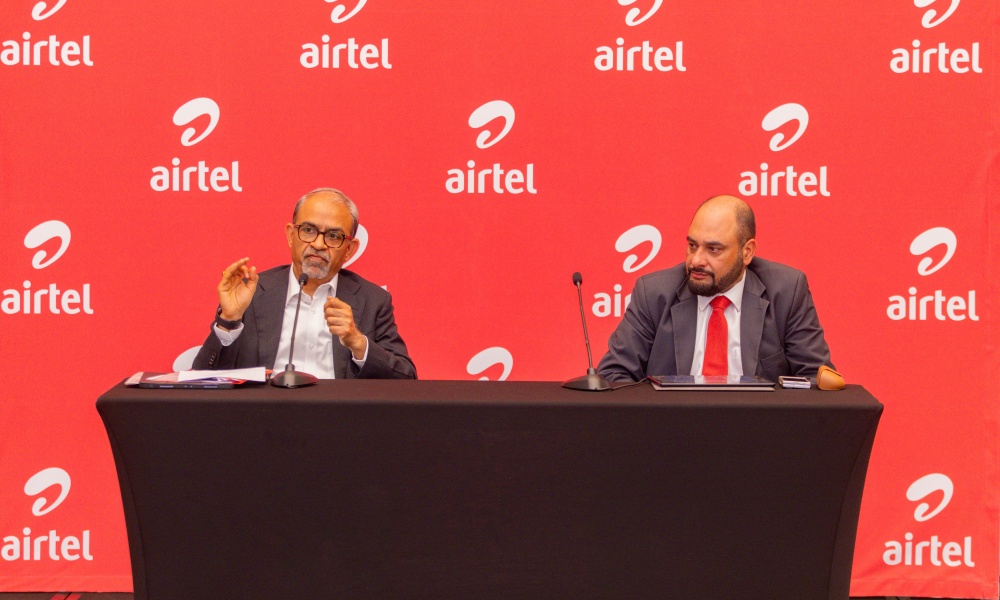
The telco is in late-stage discussions with SpaceX to integrate Starlink’s direct-to-cell technology into its network, its chief executive, Sunil Taldar, said on Thursday. The move could expand coverage and improve speeds in areas where terrestrial infrastructure remains sparse.
The proposed model allows standard mobile devices to connect directly to low Earth orbit satellites, rather than relying solely on towers and fibre backhaul. That approach targets rural and hard-to-reach regions where network rollout is expensive and slow, and where operators struggle to justify the high capital costs of new base stations.
Taldar said the telco expects to conclude negotiations within the first half of its financial year, adding that satellite connectivity would complement, not replace, existing mobile infrastructure, particularly in low-density regions where coverage gaps persist.
“By bypassing the need for conventional towers in remote areas, where rugged geography and infrastructure costs traditionally limit connectivity, the technology is expected to dramatically widen access to digital services across our markets,’’ he said.
Safaricom leads Kenya’s mobile broadband market with about 63% of subscriptions, while Airtel Kenya holds roughly 32%, according to the latest regulatory data. Smaller players, including Telkom Kenya, Equitel and Jamii Telecommunications (JTL), account for the remaining share.
Satellite integration allows Airtel to expand network reach without matching the tower density of its larger rival. It also positions the operator to compete on service quality in regions where fibre and consistent 4G coverage remain limited.
Kenya’s internet penetration is about 49%, with an estimated 27.4 million users, according to DataReportal figures. Growth is increasingly tied to expanding access outside major urban centres, where connectivity remains uneven despite strong mobile adoption.
The timing also coincides with rapid growth in satellite internet uptake. Official data shows subscriptions rose from 2,933 in 2023, when Starlink launched in Kenya, to 19,403 in 2024. Even with that surge, satellite connections still represent a small fraction of the country’s total internet user base.
Authorities are considering stricter identification and verification requirements for satellite internet users to align them with existing telecom know-your-customer rules. Officials argue the measures are meant to address security and cybercrime risks tied to cross-border connectivity.