Pesa, a digital cross-border financial service, is opening its proprietary payment rails, which was originally built to power its retail success, and is providing the backbone for the next generation of African enterprise.
Pesa’s transition from a retail remittance app to a B2B infrastructure and global payment platform provider was born out of necessity. As the company scaled, it realised that the friction felt by individuals was a symptom of a much larger systemic problem facing businesses: legacy rails that weren’t built for speed.
According to Adewale Afolabi, Co-Founder/CTO at Pesa, “Opening our rails to businesses is a natural progression. It allows us to provide structured, compliant infrastructure that supports responsible cross-border growth while complementing existing banking systems.”
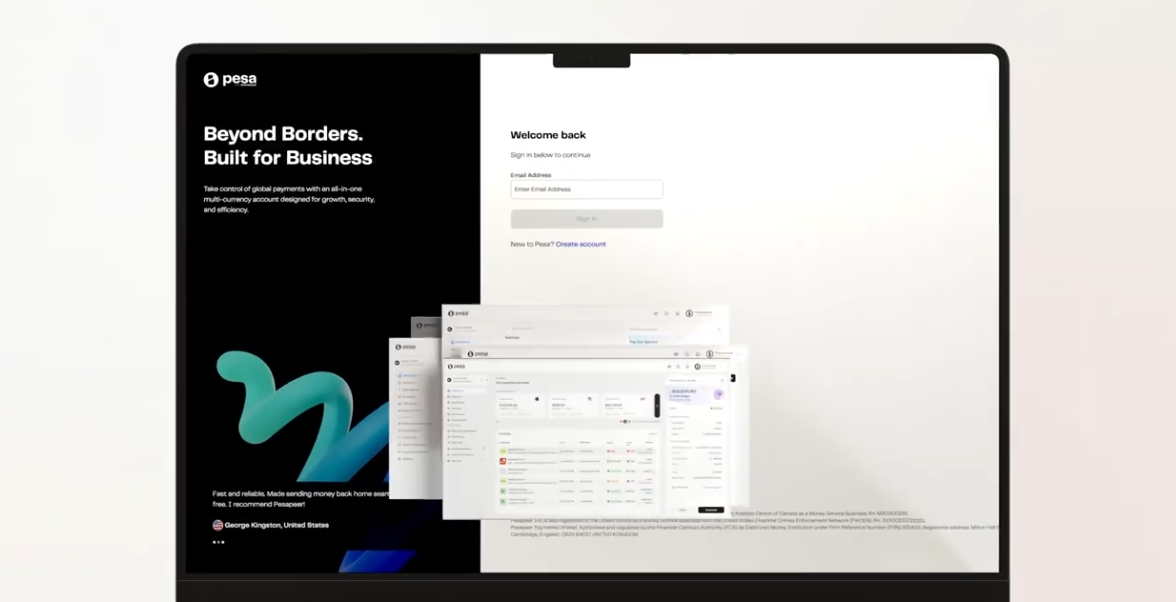
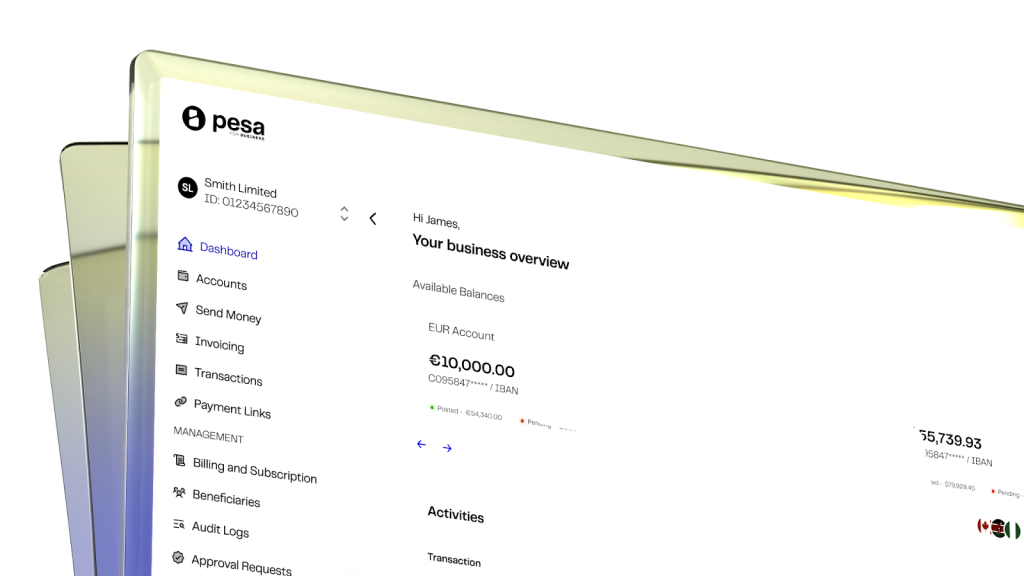
Traditional cross-border settlement is often defined by manual rate requests, multi-day delays, and opaque fee structures. Pesa Business changes this by offering a digital-native command centre.
Who Pesa powers
Pesa’s infrastructure is designed to solve specific pain points across three distinct tiers of the economy:
- SMEs & E-commerce Merchants: For SMEs and E-commerce merchants, including importers and exporters, Pesa replaces the email and paperwork banking model with a real-time dashboard. This makes it possible to manage FX, hold multi-currency balances, and settle invoices instantly.
- Enterprises: Large-scale firms with massive treasury portfolios can now manage high-frequency operations through automated risk frameworks and aggregated liquidity pools that prevent settlement bottlenecks.
- Fintechs & PSPs: Instead of spending years and a lot of money building local rails, regulatory structures, and banking partnerships from scratch, fintechs can leverage Pesa’s API.
Currency diversity as an advantage
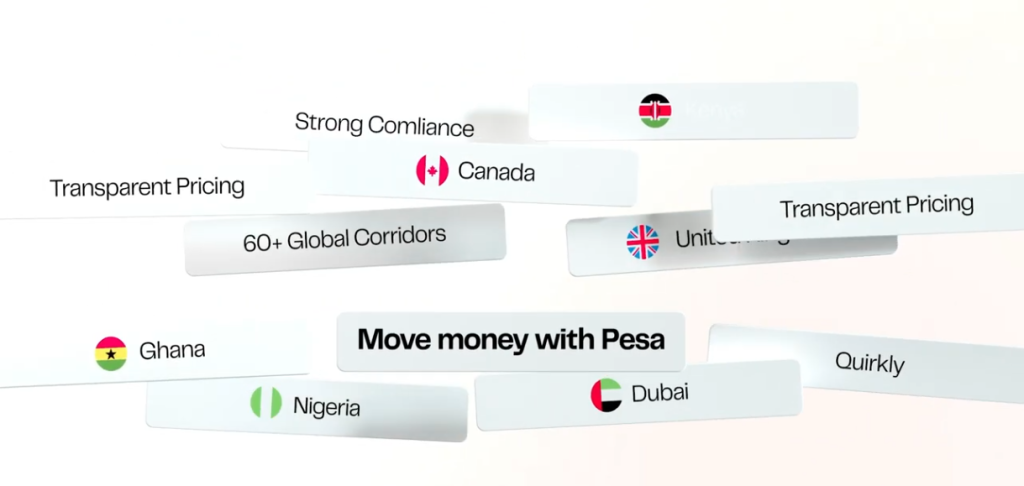
As intra-African trade rises, businesses need multi-polar liquidity. Pesa’s infrastructure supports a vast web of currency pairs, allowing businesses to receive, hold, and convert across major and emerging markets (including USD, EUR, GBP, and CAD).
Businesses gain better pricing and faster settlement times, turning their treasury operations from a cost center into a competitive advantage by reducing dependency on a single corridor.
“Currency diversity will provide better pricing, faster settlement, reduced dependency on single corridors and strategic resilience for businesses,” Afolabi says.
The API revolution: Compliance embedded in code
The most significant barrier to scaling a fintech in Africa isn’t the code behind these businesses, but the compliance. Building cross-border rails requires navigating a labyrinth of KYB (Know Your Business) verification, AML (Anti-Money Laundering) patterns, and sanctions screening.
Pesa has embedded these layers directly into their API. When a partner integrates Pesa in their business, they are plugging into a bank-grade security stack:
- Real-time Transaction Monitoring: Automated engines assess risk dynamically.
- Tokenised Authentication: Ensuring data integrity at every endpoint.
- Embedded Workflows: KYC and KYB are handled within the infrastructure, allowing partners to focus on customer experience rather than regulatory paperwork.
The end of hidden fees
Correspondent banking fees have often been used as a blanket term for hidden costs. Pesa is moving the industry toward a transparent tiered pricing model.
Operating on a clear 10bps–50bps (0.1% to 0.5%) structure allows businesses that use Pesa to forecast their margins with accuracy.
Toward a borderless African economy
Pesa’s pivot to infrastructure is just the beginning. As the company looks toward the future, it is preparing to launch multi-currency virtual cards, automated FX management, and enhanced intra-African settlement features to further decentralise corporate finance.
“Our long-term vision is to serve as a compliant infrastructure layer that strengthens African cross-border commerce, not by replacing traditional institutions, but by enhancing interoperability, transparency, and efficiency,” Pesa’s executive says.
Visit Pesa’s website to create a business account or personal account.