

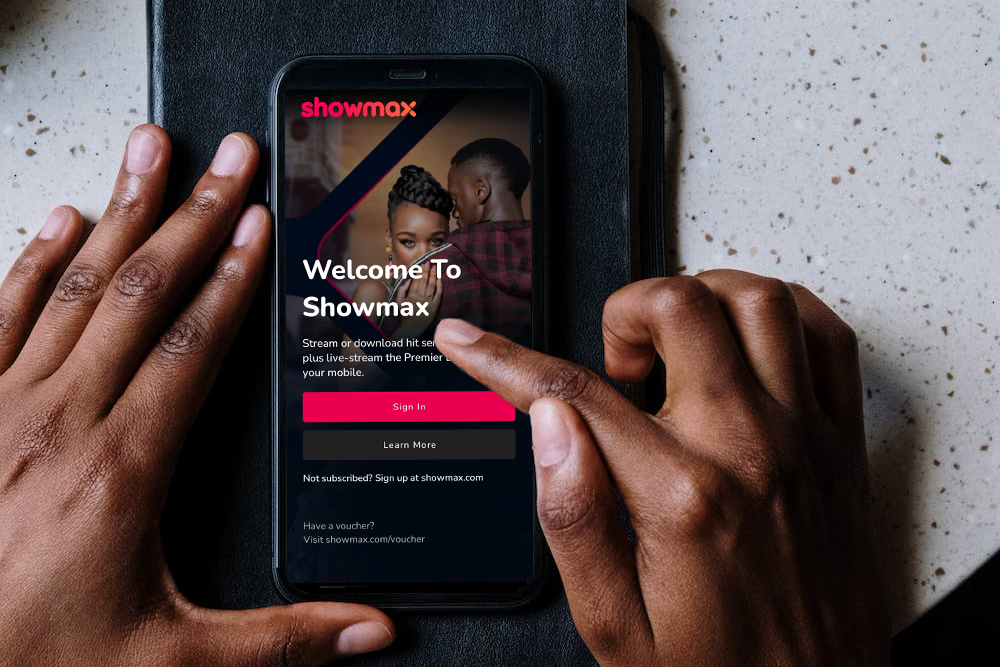
MultiChoice, a subsidiary of French Media giant Canal+, has announced that subscriptions on Showmax will end from April 1, 2026, as it moves content to its sister platform, DStv Stream.
The timeline, communicated to users via email on Wednesday, puts a concrete date for a restructuring first reported by TechCabal on March 5, months after the $3 billion takeover of MultiChoice by the French broadcaster. All Shomax subscriptions will end on March 31, and users will be required to subscribe afresh for DStv Stream.
The migration of Showmax Original and its library to DStv Stream is the first major integration since the takeover in September 2025, signalling cost-cutting measures to come as the media giant seeks sustainable growth in Africa’s competitive but rice-sensitive market.
On March 5, MultiChoice said the decision to close Showmax aligns with its goal of “strengthening our overall digital offering and ensuring long-term sustainability in an increasingly competitive streaming environment.” Wednesday’s announcement means the pay-TV operator plans to consolidate technology stacks, cut duplication, and redirect investment into a single platform.
“Showmax is starting a new chapter, and your favourite shows are getting a shiny new home on DStv Stream,” MultiChoice said. “Even better, they’ll be joining a bigger world of entertainment, all in one place.”
As part of its restructuring efforts, the parent company also plans to cut staff through a voluntary severance package to employees in support roles as part of a $115 million turnaround investment.
The consolidation comes after years of financial struggle for the streaming platform. In the three years leading up to the Canal+ acquisition, Showmax accumulated losses of approximately €370 million ($429 million).
Even a high-profile relaunch in early 2024, backed by a $309 million investment from Comcast’s NBCUniversal and leveraging the technology powering Peacock, failed to reverse its fortunes.
Final annual results before the takeover showed trading losses widening despite declining revenues, underscoring the immense difficulty of building a profitable streaming business in Africa’s price-sensitive markets.