Global Settlement Holdings (GSH), the investment firm behind US-based blockchain infrastructure company Global Settlement Network, will acquire a majority stake in AKIBA International, a Uganda‑based investment and capital‑markets advisory firm, deepening its bet on turning Uganda into a hub for tokenised finance in Africa.
The deal, which is subject to regulatory approvals, will give GSH the licences and local infrastructure to run a broker‑dealer off‑ramp, a regulated exchange for tokenised assets, and a mining platform.
This comes six months after Global Settlement Network’s (GSX) partnership with Uganda’s Diacente Group to build Karamoja, a special economic zone (SEZ), and launch a central bank digital currency (CBDC) pilot, in a project backed by $5.5 billion in planned commitments.
The AKIBA deal extends GSX’s Karamoja and CBDC work into market infrastructure. While the Diacente partnership lets GSX tokenise Uganda’s real‑world economic activity, AKIBA provides the regulated storefront where local and global investors can buy and sell those assets.
Infrastructure projects, mining output, industrial developments, and export contracts can be converted to tokenised financial instruments and sold through a licenced exchange overseen by Ugandan regulators, increasing investor appeal.
“Uganda’s regulators are doing something we don’t see often, actively building the framework for tokenised capital markets before the market forces them to,” said Ryan Kirkley, chief executive officer of GSH. “That creates a first-mover window for infrastructure that channels real capital into energy, mining, agriculture, and trade finance with proper oversight.”
Under the joint venture, AKIBA will run the local operation, including exchange functions and broker‑dealer services, and handle integration with Uganda’s banking system and regulatory framework. It will also provide the operating and payments layer that will enable GSX to build token-based financial products that Ugandan businesses can use.
Both companies plan to raise up to $1.5 billion for assets issued through the platform, focusing on four areas: infrastructure such as energy and digital systems; special economic zones and industrial programmes; responsible mining and mineral value chains; and trade finance products like invoices, receivables, and working‑capital structures.
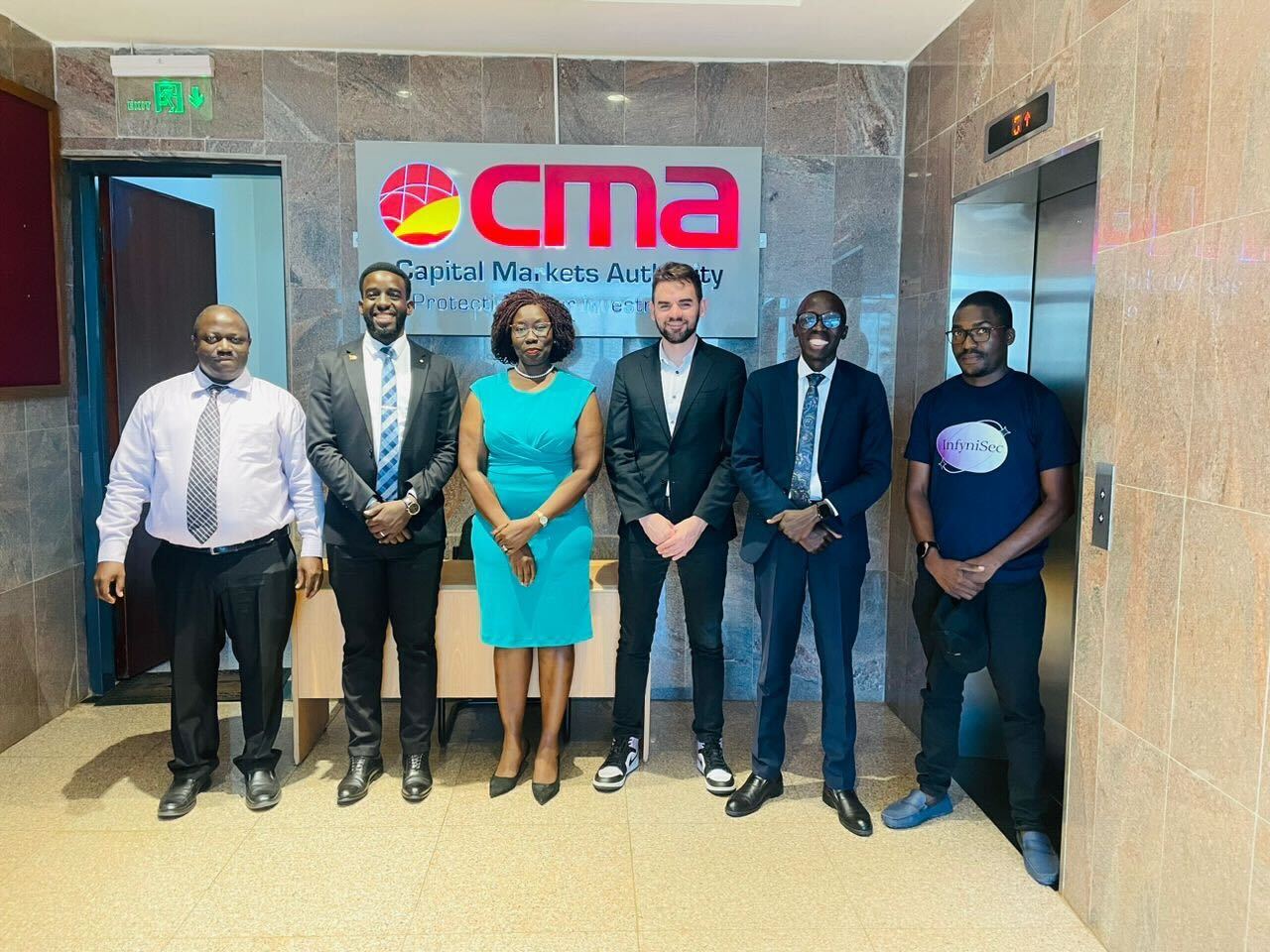
The system will operate under the Bank of Uganda’s (BoU) regulatory sandbox, which allows financial products to be tested with real users under controlled conditions before full licences are granted. A licenced local bank will act as the settlement and integration partner. In 2025, Uganda’s Capital Markets Authority (CMA) also introduced a parallel fintech sandbox for capital markets innovation, reflecting a broader push by regulators to test new infrastructure under supervision as they strengthen oversight of virtual assets.
“Our shared objective is to build a regulated ecosystem that supports domestic development priorities, connecting local projects to global capital with appropriate oversight, governance, and banking integration,” said AKIBA CEO Chris Kyerere. “It will accelerate Uganda’s fintech modernisation and expand access to investment and trade finance.”
The structure fits into GSH’s broader effort to build a vertically integrated investment pipeline. The group has expanded into investor onboarding and compliance infrastructure, after its March 2026 acquisition of US firms Accreditoken and InvestReady, which help users to create digital IDs, verify investors for private market access, and control eligibility for regulated offerings.
GSH could expand this utility into the AKIBA platform to bring real-world projects onto the system, match them with investors, and allow those investments to be traded or sold later in the same place.
The firm said it will embed anti-money laundering (AML) and counter-terrorism financing controls, governance standards, and reporting requirements from the outset, and will fund initial deployment of the new investment platform.
Ugandan regulators have been moving in the same direction. The central bank and the capital markets regulator have both introduced sandboxes for fintech experimentation, as Uganda moves from a cautious, risk‑assessment phase toward comprehensive regulation of virtual assets, drawing inspiration from its regional peer Kenya.
GSH and AKIBA are betting that formalising parts of Uganda’s informal economy through regulated digital markets could lower the cost of financing, widen access to capital, and improve transparency in sectors that remain underbanked.