Happy pre-TGIF. ☀️️️️
Take a deep breath and be happy about two things: it’s almost the weekend, and it’s almost salary day. The Nigerian Exchange is also trying to make investing a little easier. On Wednesday, it launched a WhatsApp channel for NGX Invest, so you can now discover public offers and start subscribing without downloading another app.
A little birdie told us that if you save +234 812 731 9521 and text “Invest” on WhatsApp, you can see eligible offers and follow the prompts to subscribe.
So, when that salary alert lands, you know where to look if you’re curious about what’s up on the stock market. Or, if you prefer (which we totally recommend), invest some of that cash and cop Moonshot tickets.
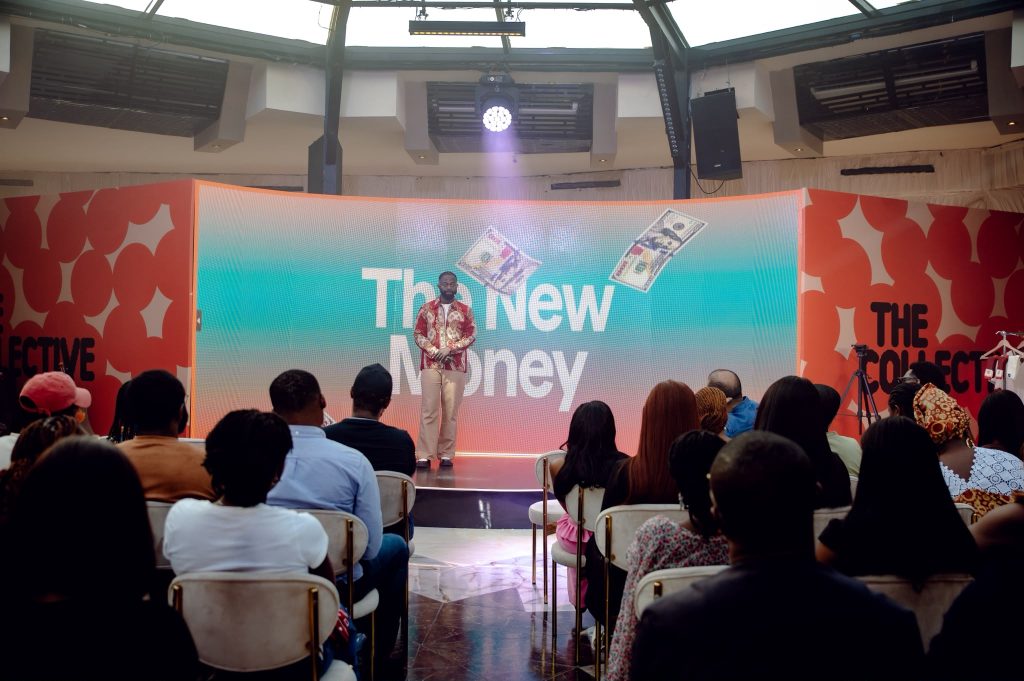
We’re still looking for stories from people whose journeys changed at Moonshot—met a co-founder, investor, partner, or future employer there?Tell us about it.
Read smart insights about Francophone Africa’s tech ecosystem—weekly.

Banking
Nigeria’s Access Bank is handing NBK back its business
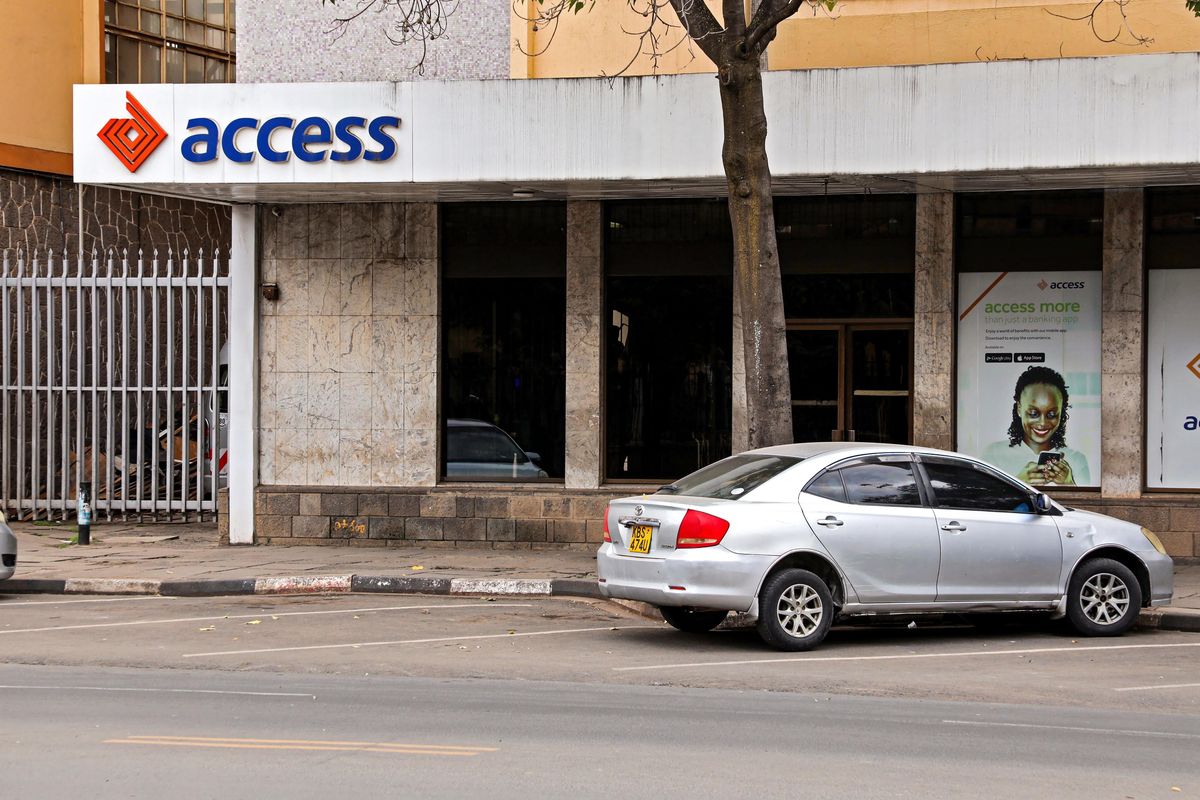
Kenya’s banking market is about to unwind a deal completed only 16 months ago. Access Bank Kenya, the subsidiary of the tier-1 Nigerian lender, will transfer all its business, assets, and liabilities to National Bank of Kenya (NBK), in a transaction approved by the Central Bank of Kenya (CBK) and the Treasury.
Explain like I’m new here: NBK has had a long and unusual ownership history. The government created the NBK in 1968 to expand access to credit and support the economy after independence. KCB Group acquired NBK in 2019, before selling the bank to Access Bank in May 2025, which subsequently folded it into its Kenyan operations.
Now, that ownership structure is changing again. The CBK said on Wednesday that all of Access Bank Kenya’s assets and liabilities will move to NBK once the transaction is completed under the Business and Assets Transfer Agreement.
Between the lines: The timing is the striking part. Access Bank entered Kenya in 2020 by acquiring Transnational Bank and later NBK from KCB. Five years later, the Kenyan business is being transferred back into an entity carrying the NBK name.
CBK’s statement does not explain why the parties chose this structure. The regulator said the transaction will support stability, resilience, and competition in the banking sector.
The transfer also raises questions about what happens to the Access Bank Kenya franchise after completion, including its customers, staff, branches, and operations.
Why this matters: This is more than a change of ownership. It reshapes the structure of a bank that has moved between government, KCB, and Access Bank within seven years.
The immediate issue is continuity. Customers and creditors are attached to the assets and liabilities being transferred, so the terms and execution of the transaction will determine how smoothly the change happens.
The bigger question is why Access Bank and NBK have chosen to reverse the structure created in 2025, and what it says about Access Bank’s longer-term plans for Kenya.


Every business owner needs to watch this.
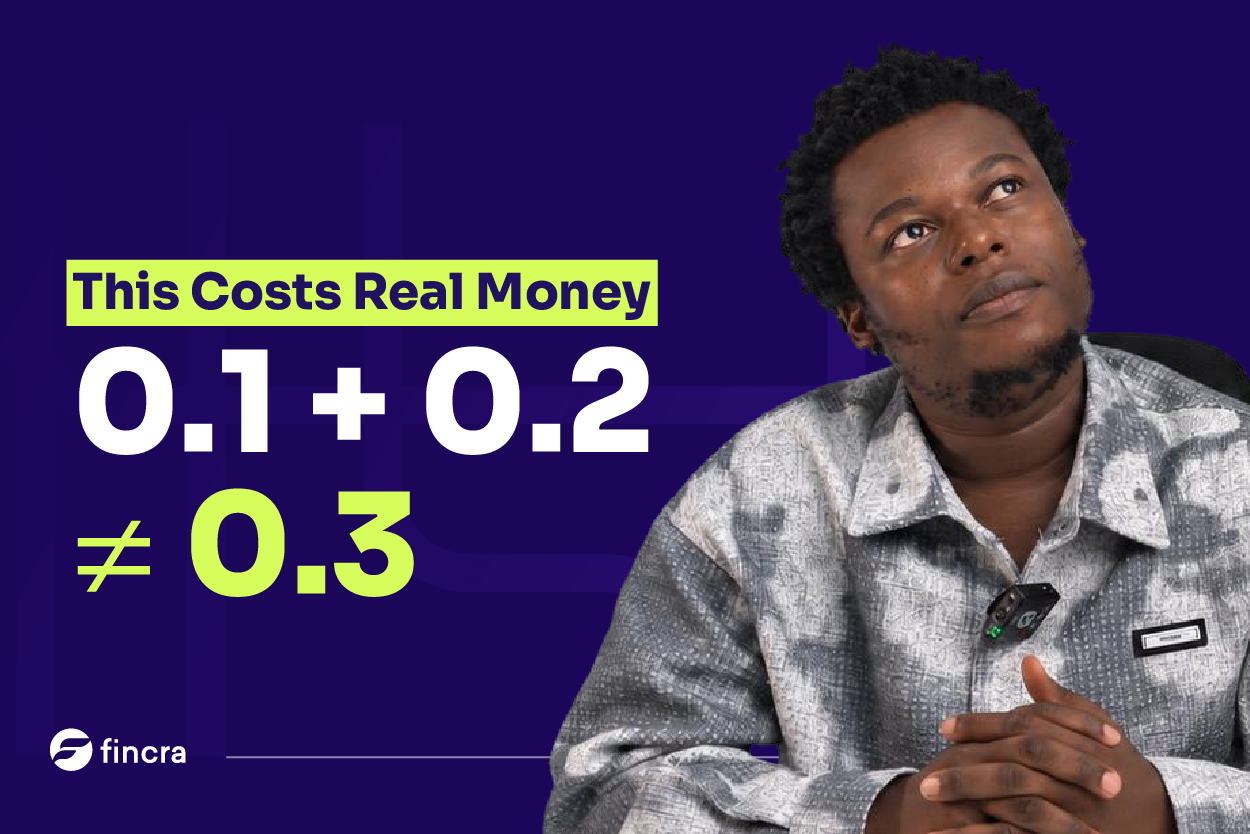
Ask a computer to add 0.1 and 0.2. It won’t give you 0.3. Now imagine that happening to your money, thousands of times a day. Fincra’s Engineering Lead breaks down why and how fintechs design around it. Watch the full breakdown.
Fintech
Airtel Money takes Africa’s fintech boom to London
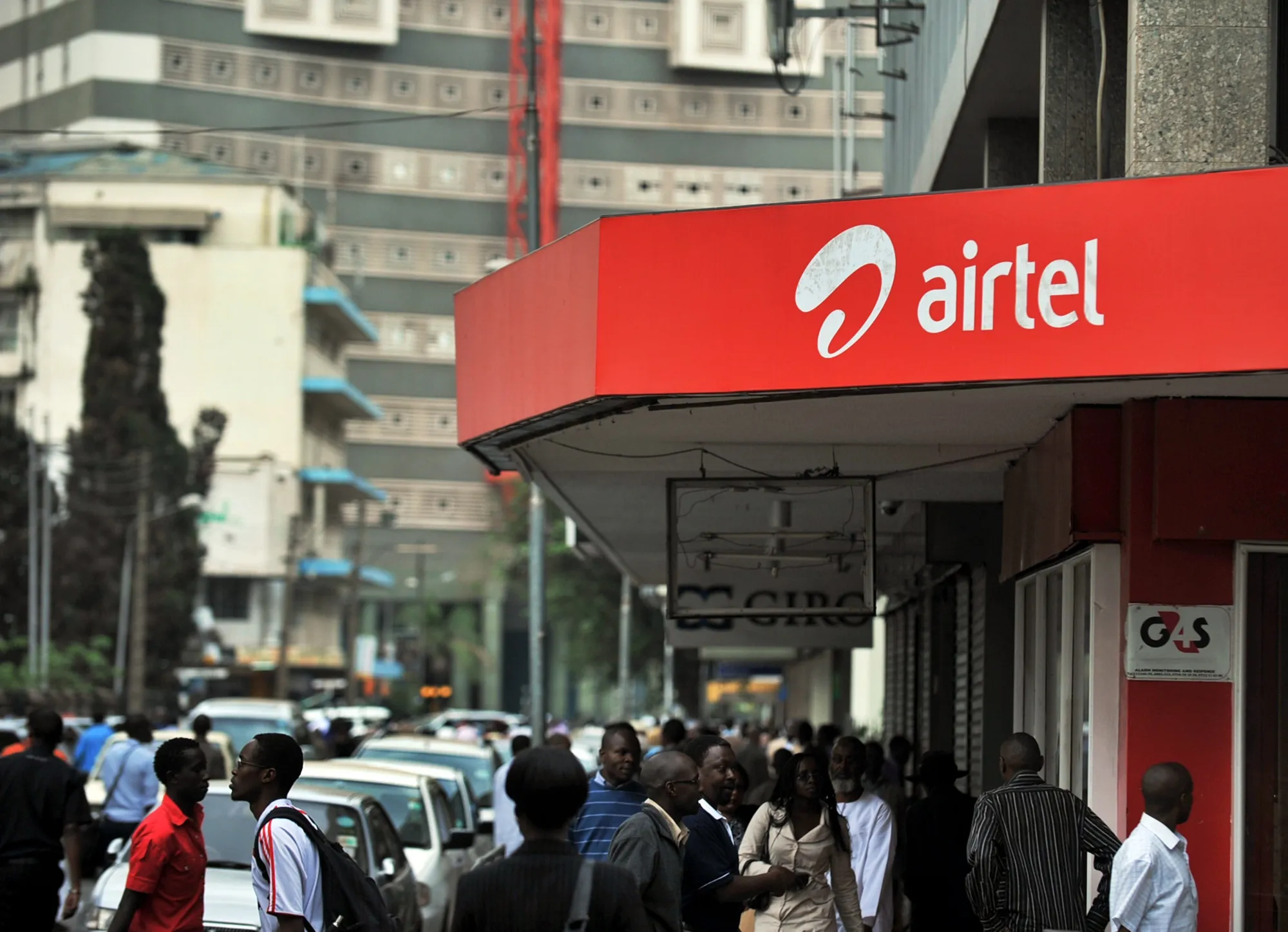
Airtel Money, one of Africa’s largest mobile money operators, is preparing for a London initial public offering (IPO) that could raise at least $800 million, making it the UK’s largest listing in five years. The deal also tests whether London can become a serious exit market for Africa’s biggest technology businesses.
Explain like I’m new here: Airtel Money is the mobile payments business owned 78% by Airtel Africa, with minority investors including Mastercard and Qatar Investment Authority. It has grown into a large financial services business, processing $213 billion in transactions in the year to June and serving about 53 million monthly active users.
The London listing would mainly allow existing shareholders to sell their stakes. It is not simply a case of Airtel Money raising fresh money to fund its operations.
The company expects to publish the offer size and price range in early October, with pricing expected around mid-month. The International Finance Corporation (IFC), a development finance institution, has already agreed to buy $90 million of the shares being offered.
Between the lines: The choice of London says as much about the market as it does about Airtel Money.
Airtel Money considered other European exchanges and the United Arab Emirates (UAE) before settling on London. CEO Ian Ferrao said the company chose it because of the depth of institutional capital, investor familiarity with emerging markets, and Airtel Africa’s existing London listing.
London has struggled to attract large IPOs, with listings raising less than $700 million so far this year. Airtel Money alone could take the total above $1 billion.
For African tech companies, the more interesting question is what happens after the listing. A public market gives early investors and employees a clearer route to selling their stakes. It also gives a large African fintech a valuation determined by public investors rather than private funding rounds.
Why this matters: Airtel Money is large enough to test whether global investors will value an African payments business at public-market scale.
If the listing performs well, other African companies looking for an exit will have a new case study to examine. If demand is weak, it will say something about the limits of global appetite for African fintech, even at considerable scale.
Your stablecoins can now earn up to 7%

As stablecoin use grows across emerging markets, Raenest is expanding what users can do with USDC and USDT. In addition to sending and spending stablecoins globally, Raenest has launched Stablecoin Vault, which lets eligible users earn up to 7% variable APY. Learn more at www.raenest.com.
Capital Markets
Kenyan retailer Quickmart files to go public
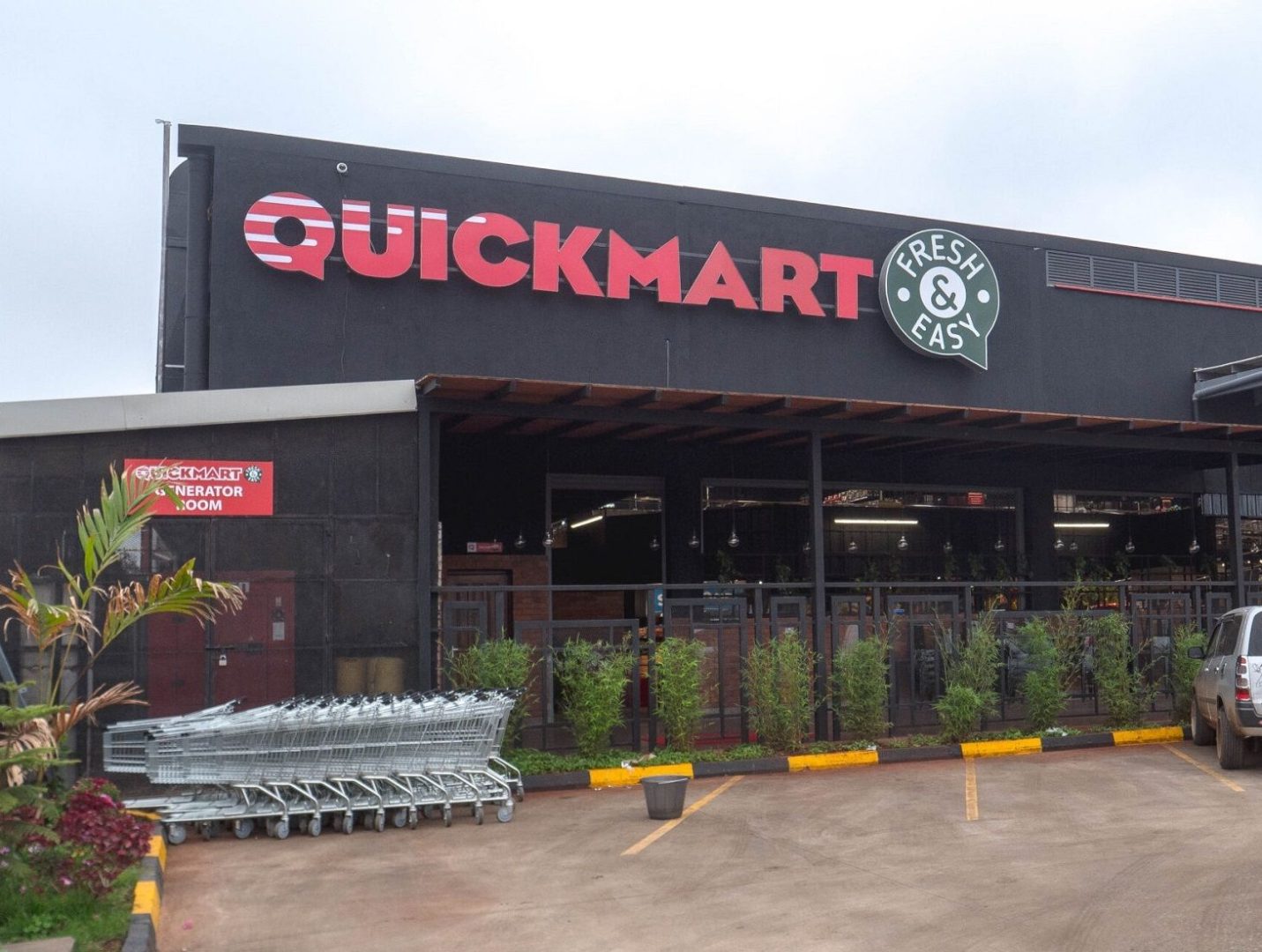
Kenya’s stock exchange is getting a newcomer—and it’s not the Dangote Refinery. 👀
On Wednesday, the Nairobi Securities Exchange (NSE) announced that Quickmart, Kenya’s second-largest chain supermarket, has filed to list all of its issued ordinary shares on the NSE’s Main Investment Market Segment, in what could become one of its closely watched retail listings.
Why it matters: Quickmart isn’t raising money from the listing. Its sole shareholder, Sokoni Retail Kenya, plans to sell 2 billion existing shares, or 50% of the company, to investors.
Explain like I’m new here: What’s happening here is a majority shareholder creating its own exit pathway, though only partially. That’s quite rare on the NSE; the most comparable transaction was Kenya Reinsurance Corporation (Kenya Re) in 2007, when the government sold 40% of its stake through an offer for sale, putting 240 million existing shares into public hands and raising KES 2.28 billion ($34.4 million at the time) for the government.
Between the lines: This is an offer for sale, not a conventional initial public offering (IPO). Sokoni gets the proceeds from the sale of the 50% stake; Quickmart gets none. The retailer says it will fund expansion primarily from internally generated cash flows.
In 2025, Quickmart generated KES 50.4 billion ($390 million) in revenue and KES 1.7 billion ($13.1 million) in adjusted profit after tax. The retailer also said it currently has 72 stores across 16 counties, serves about 5 million customer transactions a month, and has 2.5 million Q-Points members, competing with close rivals Carrefour and Naivas. It wants to grow its footprint to 100 stores.
State of play: The offer is expected around September 30, subject to regulatory approvals. Sokoni can also sell an additional 15% of the offer shares through an over-allotment option if demand is strong.
The winners here are retail investors and shoppers who depend on Quickmart for their daily shopping run; they now have an opportunity to buy into a brand they trust.
Zoom out: Kenya’s stock exchange is having a better year than 2025, with the NSE seeing IPOs like Kenya Pipeline Company, as well as listings by introduction such as ALP Industrial REIT, TRIFIC Green, and Family Bank.
Quickmart would add something different: a large homegrown consumer business with a familiar brand and thousands of daily shoppers.
Don’t miss Moonshot 2026 for anything in the world!

True scale demands moving beyond surface-level integrations to robust execution. We’ve filtered the noise out of Moonshot 2026, optimising the conference strictly for high-calibre connections between startup founders, global financial operators, enterprise leaders and individuals rewiring Africa’s technical frameworks. Join us on October 28 & 29, 2026. Get your ticket.
Streaming
DStv introduces three-in-one channel
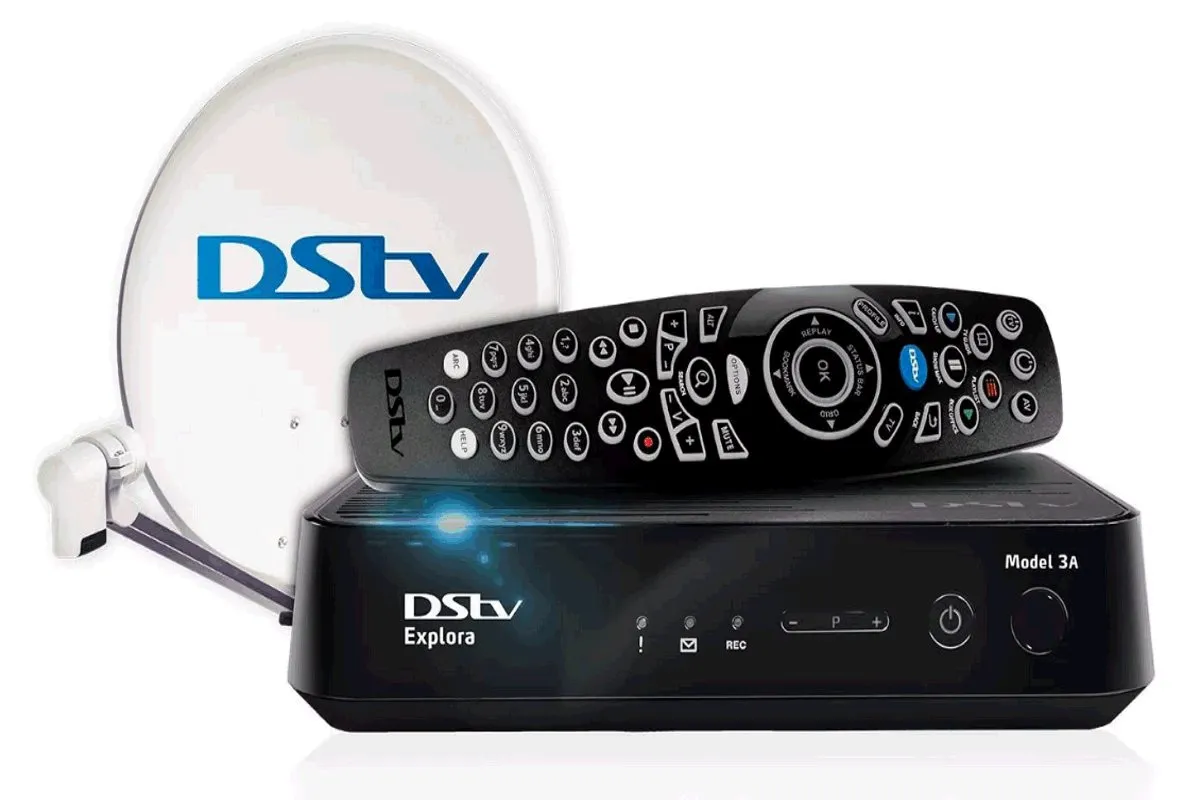
DStv, the MultiChoice-owned pay-TV service, has figured out that one channel can do the job of three.
Meet Wethu+, which replaces Mzansi Wethu on channel 163 and combines programming from Mzansi Wethu, Mzansi Bioskop, and Mzansi Magic Music.
This is part of DStv’s reshuffle. It recently introduced new sports channels, while retiring about four local content channels. And on September 17, it reshuffled its packaging tiers, specifically unbundling sports. As part of that move, the pay-TV operator retired Compact Plus in South Africa.
So, what can you watch on Wethu+? The programming on Wethu+ will feature international blockbuster movies, local and dubbed telenovelas, reality shows, family programming, and two live Premier Soccer League (PSL) matches every weekend during football season.
Why it matters: Wethu+ is part of a bigger rethink of how DStv packages and sells its content. The September 17 overhaul replaced Access, Family and Compact with Starter, Select and Sports, while introducing a new Movies & Series package. It also moved some of DStv’s biggest sports and entertainment offerings into cheaper packages.
Compact subscribers have moved to DStv Sports at R399 ($24.39) monthly for streaming, while a new Movies & Series package costs R500 ($30.56) monthly. Premium remains the highest tier at R799 ($48.85). EasyView now costs R30 ($1.83) monthly, while Access and Family subscribers have also been moved to new packages.
Wethu+ follows the same logic: fewer channels, more programming in one place. MultiChoice is testing a thesis that viewers would rather have fewer channels with more programming than three separate channels serving overlapping audiences.
Sidebar: MultiChoice said these programming changes and package reshuffle only affect South African users for now. So, if you’re in Nigeria, you may have to wait a little longer to access the unbundled Sports package, for example.
Zoom out: Fewer channels could mean a simpler line-up for viewers and fewer places for MultiChoice to spread its audience. If the company eventually uses the consolidation to make room for new channels, the bigger payoff could come later.
CRYPTO TRACKER
The World Wide Web3
Source:

|
Coin Name |
Current Value |
Day |
Month |
|---|---|---|---|
 Bitcoin Bitcoin |
$84,306 |
– 3.16% |
+ 4.54% |
| Ether |
$2,695 |
– 2.82% |
+ 7.65% |
| NEAR Protocol |
$4.52 |
+ 2.09% |
+ 125.33% |
| Solana |
$115.78 |
– 2.98% |
+ 13.50% |
* Data as of 06.15 AM WAT, September 24, 2026.
Events
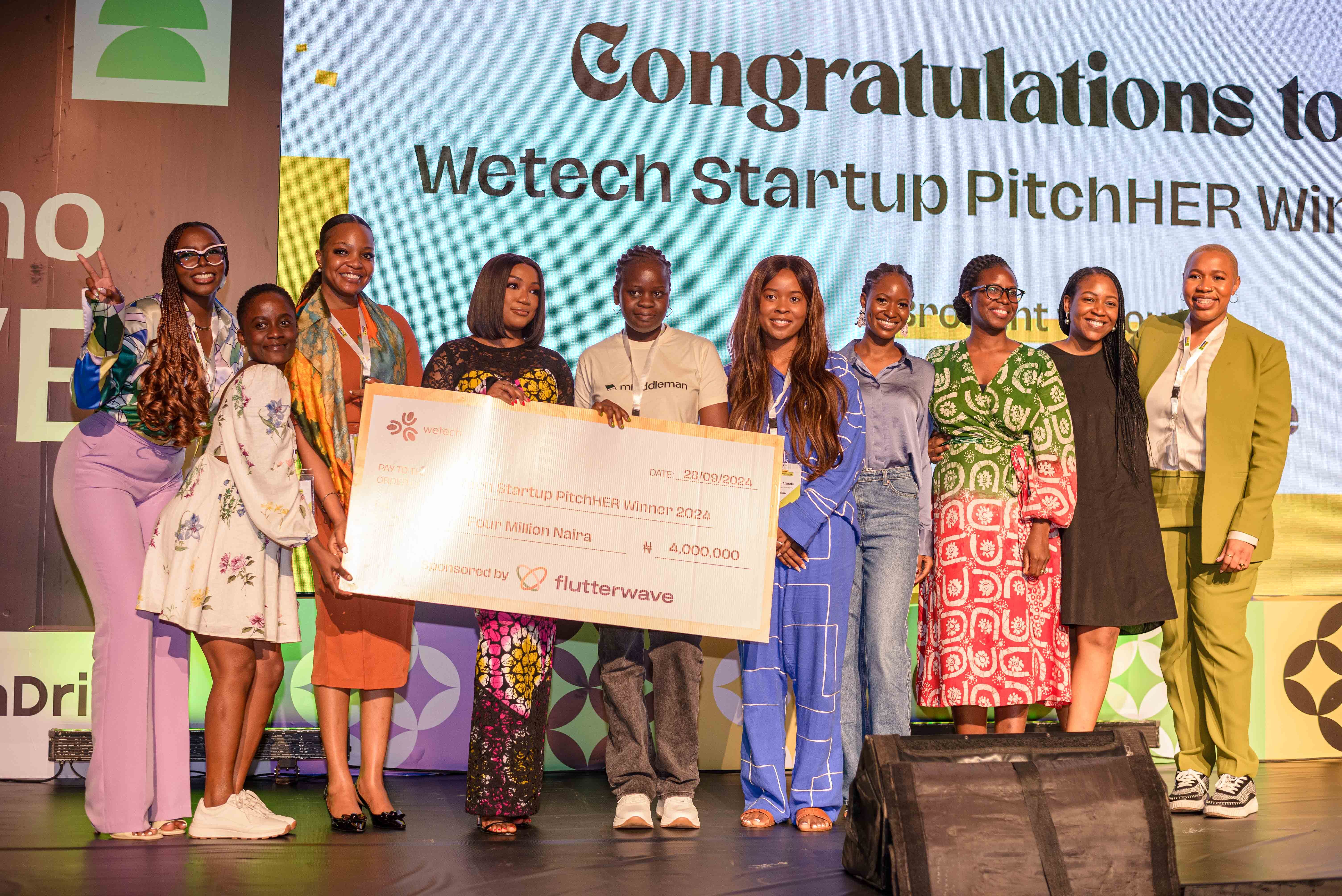
- The Wetech 2026 Conference will take place this Saturday, September 26, at Landmark Event Centre, Victoria Island, Lagos, convening more than 2,500 attendees and 30 speakers for a day of conversations around AI, careers, startup funding, policy, and the future of tech in Africa. The event will also feature live hiring, networking, a tech expo, and the PitchHer 2026 final, where women founders will compete for ₦8.5 million in prizes. Register to attend.

- A Nigerian court says Truecaller’s consent doesn’t cover the data in your contacts
- Why African startups can be profitable and still look too risky to finance
- StanChart drops out of Tier I as KCB tightens grip on Kenya’s banking market
- What we can learn from Africa’s past to build better retirement structures
Written by: Emmanuel Nwosu and Kenn Abuya
Edited by: Emmanuel Nwosu & Ganiu Oloruntade
Want more of TechCabal?
Sign up for our insightful newsletters on the business and economy of tech in Africa.
- The Next Wave: futuristic analysis of the business of tech in Africa.
- Francophone Weekly by TechCabal: insider insights and analysis of Francophone’s tech ecosystem
P:S If you’re often missing TC Daily in your inbox, check your Promotions folder and move any edition of TC Daily from “Promotions” to your “Main” or “Primary” folder and TC Daily will always come to you.