Seventy-five percent of Gen Z skip ads whenever possible. Sixty-nine percent find most advertising irrelevant. These aren’t just statistics, they’re symptoms of a fundamental breakdown in how brands communicate with the audiences that will define their future.
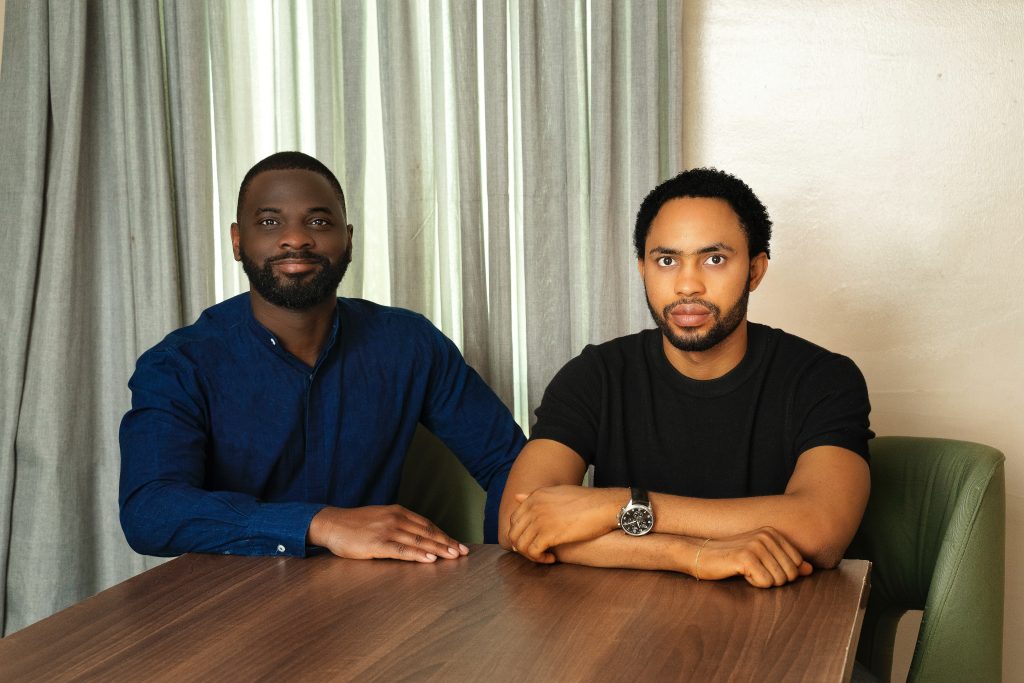
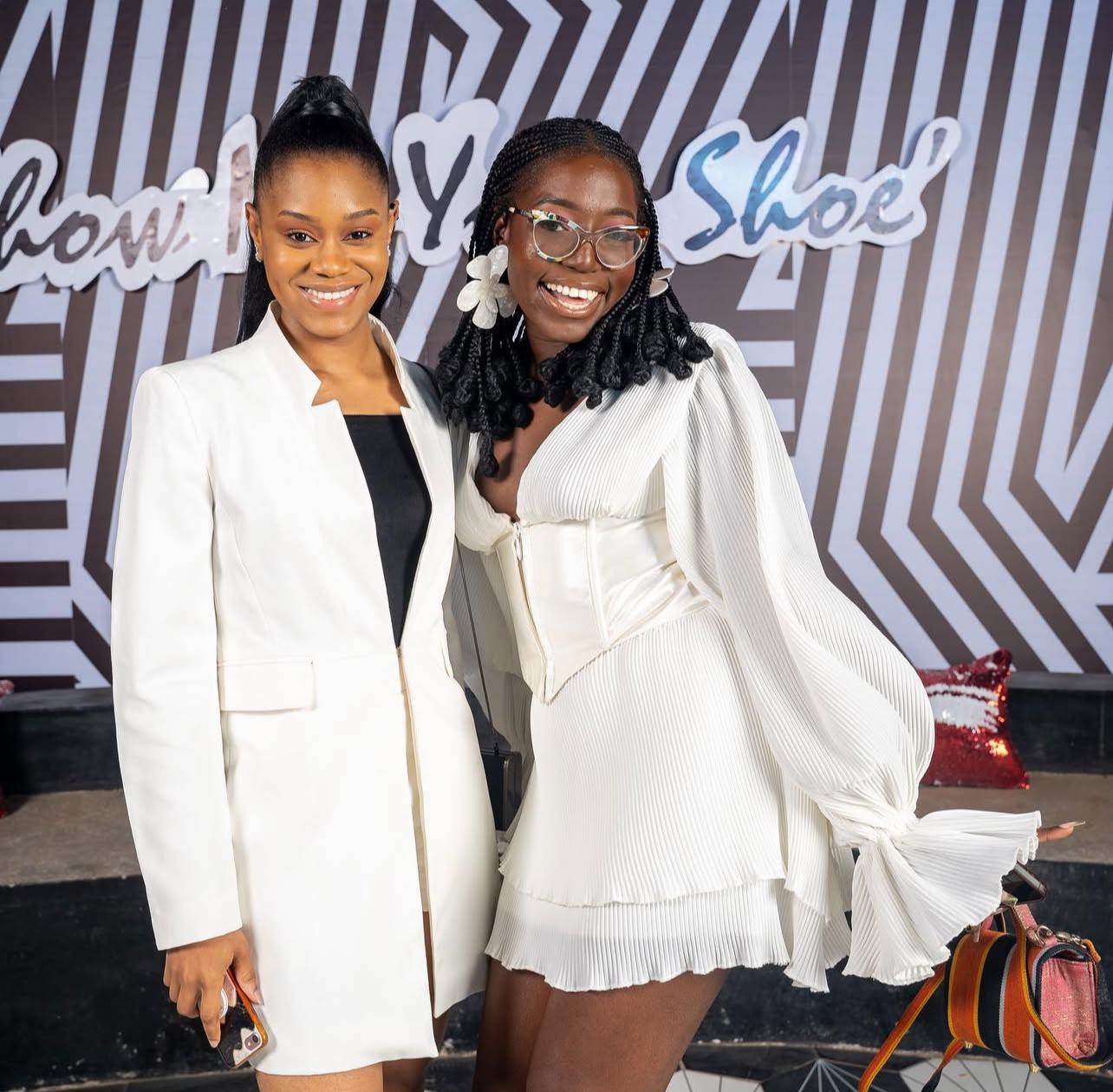
In Lagos, two women are turning this crisis into an opportunity. Adekemi Thompson and Tomisin Akinwunmi have launched THOMPSN FORGE with their debut campaign, “Unmute Us”– a systematic interrogation of why brand communication in Nigeria has become so disconnected from cultural reality.
Nigerian brands face a structural challenge. The country’s youth demographic: over 60% of the population operates at digital speeds that traditional marketing wasn’t built to match. While brands scramble to “tap into culture,” they consistently miss what actually drives engagement.
“Everyone wants to tap into culture, but very few actually understand the communities behind it,” Thompson explains. Traditional agencies struggle with platforms where authenticity can’t be manufactured and audiences have infinite alternatives to anything that feels forced. THOMPSN FORGE calls this the “Translation Problem” :brilliant cultural insights getting lost between conception and execution. Young people communicate in memes, organize through group chats, and can instantly detect inauthenticity—but brand frameworks weren’t designed for these realities.
“Unmute Us” operates through direct community listening: Instagram polls, TikTok threads and group conversations. The feedback reveals what traditional research misses: young people don’t hate advertising, they hate being condescended to.
We kept hearing: ‘This ad doesn’t speak to me,’” notes Tomisin Akinwunmi. “Music creatives, fashion entrepreneurs, students—they all felt like brands were showing up in their spaces, but not for them.”
Cultural disconnection represents economic risk. When brands fail to meaningfully engage young audiences, they’re ceding market share to competitors who figure out authentic connection first. Thompson’s background illustrates this. Her experience at Wema Bank—now a THOMPSN FORGE client, shows how traditional institutions can benefit from cultural strategy beyond surface-level youth marketing. The most successful Nigerian brands, from MTN’s Pulse to Piggyvest, succeed because they understand the rhythm of youth culture, not just its aesthetics.
THOMPSN FORGE develops consulting frameworks that turn cultural listening into actionable strategy: sustainable engagement for audiences whose attention can’t be purchased through traditional means.
“Unmute Us” arrives as Nigeria’s creative economy gains international recognition. Young Nigerians create globally relevant culture while being marketed to as passive consumers of imported trends. This disconnect represents massive economic inefficiency.
THOMPSN FORGE measures success in institutional behavior change. When brand leaders say “We needed this” instead of “We don’t understand this,” it suggests structural shifts rather than surface adjustments. Their 2025 expansion plans include a content lab for West African youth subcultures—building infrastructure for ongoing cultural intelligence.
“Culture rewards originality, not mimicry,” the founders emphasize. “The best ideas come from actually caring about the people you’re building for.” For Nigerian brands, the mute button generation isn’t rejecting brand culture—they’re demanding brand culture worthy of their attention. The question isn’t whether brands will meet these standards, but whether they’ll do so proactively or reactively. Talk to Thompsn Forge today, and follow the conversation online.