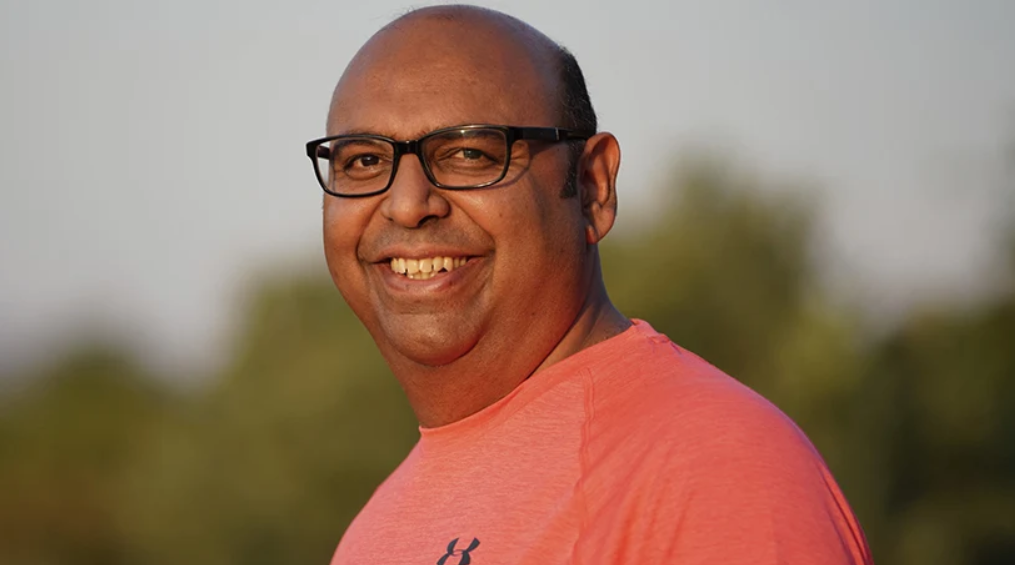
At the 2025 Moonshot by TechCabal conference, Emmanuel Sohe, CEO of Cardtonic, shared a story that perfectly captured the session’s theme of resilience in Africa’s fintech ecosystem. His narrative wasn’t about theory or frameworks. It was about survival, belief, and building against the odds.
“Our story is one of resilience and surviving in these times,” he began, setting the tone for what would become a personal reflection on Cardtonic’s journey.
In 2021, when the Central Bank of Nigeria released a circular banning banks and financial institutions from partnering with crypto-affiliated platforms, panic swept through the industry. For Cardtonic, a crypto-focused company, the impact was immediate and personal. “That night, five of us in the management team sat in our conference room analysing what it meant for our future and our livelihood,” Sohe recalled.
Some months before the ban, Sohe had quit his stable job to help build the company. Faced with uncertainty, someone joked that some of them could return to formal employment, except for the founding CEO, who had dropped out of university. But after the laughter faded, they decided they wouldn’t “turn off the lights” on their dreams.
That night, as their users panicked, the team processed payments manually, determined not to let their crypto product die, pulled off the off-ramp product initially embedded in the Cardtonic, which has now become Breet. Today, as Sohe proudly shared, crypto is spendable in both Nigeria and Ghana, a testament to their persistence.
He reflected on the chaotic early days of running a business-to-consumer (B2C) fintech, saying, “I tell my friends building B2B that they are the lucky ones; B2C is the real ghetto. There was a time when payment and collections felt like constant firefighting.”
Despite the turbulence, Cardtonic grew with an initial ₦5 million and no external funding. Their guiding principles were simple: revenue as fuel and discipline as their compass. “We want to exist regardless of funding,” Sohe emphasised.
Now, years later, Cardtonic can stand on the Moonshot stage as proof that grit, consistency, and focus can outlast even the most brutal storms. “We did not give up on our dreams,” Sohe said with quiet pride. “We stayed consistent. We could not afford to do cool stuff back then, but now, we can headline Moonshot without batting an eyelid.”
For many in the audience, it was more than just a business story. It was a reminder that Africa’s most resilient products are built not only with innovation but with courage, conviction, and unshakable belief in the vision.
Editor’s note: This article has been updated with additional details in the fifth and sixth paragraphs.