

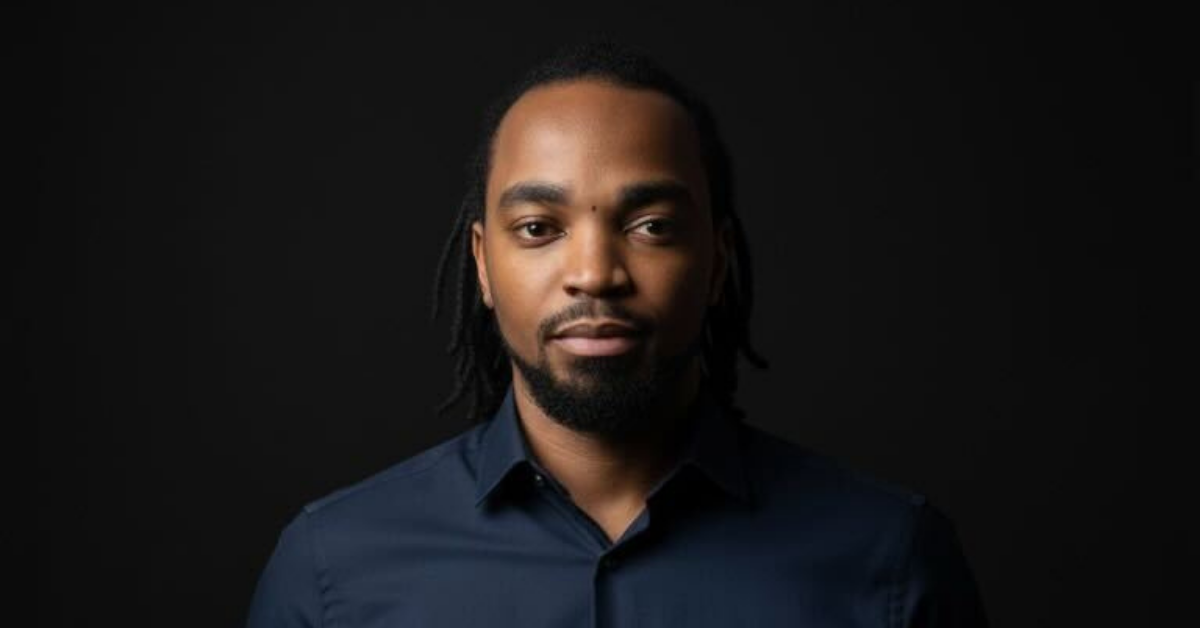
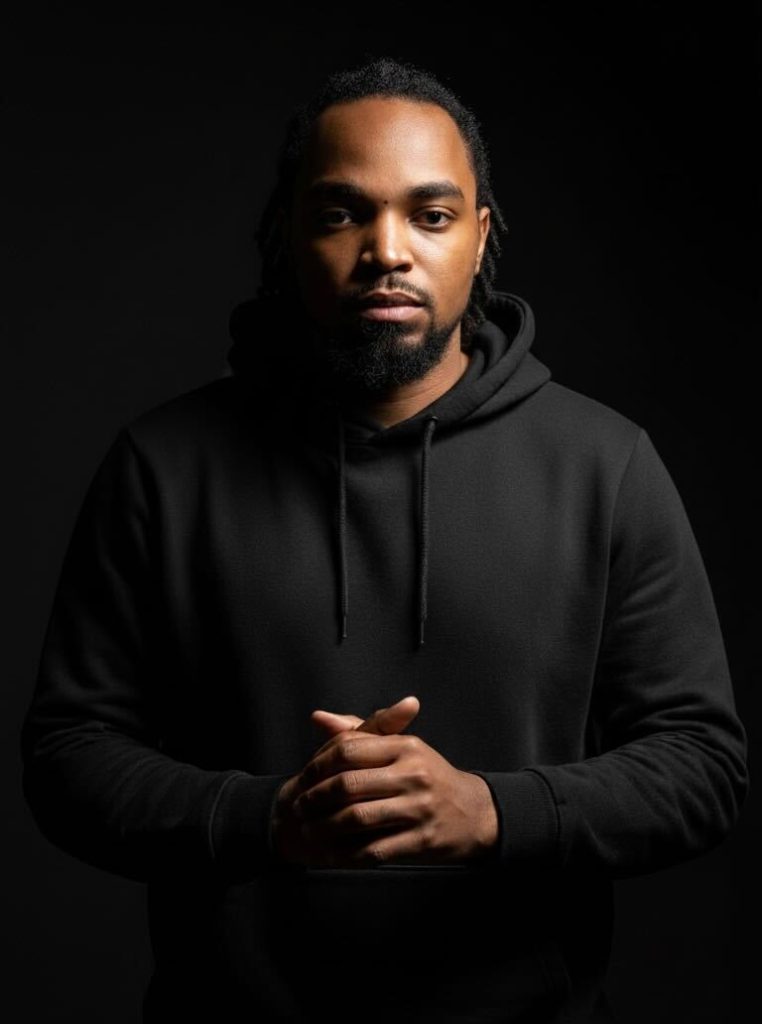
When Samuel Usoroh lost yet another freelance gig because of where he came from, it didn’t just sting; it sparked a mission. A mission to fix a system that often sidelines African talent in the global digital economy.
Today, the Nigerian software engineer and entrepreneur is the Co-founder and CTO of Safegeeg, a fast-growing AI and blockchain-powered marketplace that helps freelancers across Africa work, earn, and sell safely online. No bias, no middlemen, no limits.
But before Safegeeg became a symbol of hope for thousands of young Africans trying to make a living online, it was born out of deep frustration and the determination of one developer to rewrite a broken story.
A Journey Shaped by Rejection
Samuel’s story began in Abuja, Nigeria, where his fascination with computers quickly evolved into a career in software engineering. Over eight years, he built solutions across fintech, AI, and blockchain, contributing to global projects like Serverpod, an open-source Flutter server framework used by developers worldwide.
But while his skill was never in doubt, his identity was.
“I remember sending proposals for freelance projects on Upwork and Fiverr,” Samuel recalls. “Once clients saw ‘Nigeria’, they would ghost me. Even when I was more qualified than others.”
He watched as friends and colleagues faced the same bias. The message was clear: global freelancing wasn’t built for African talent.
That harsh reality planted a seed, one that would eventually grow into Safegeeg.
From Workdey to Safegeeg: Building a Marketplace for Everyone
In December 2024, Samuel and co-founder Michelle Omeke launched Workdey, a local freelance marketplace designed to connect Africans to verified digital opportunities. It was built with a simple philosophy: If the world won’t give us a seat at the table, we’ll build our own.
As users poured in, the team quickly realised the challenge wasn’t just access. It was trust.
Both freelancers and businesses were losing money to scams, fake profiles, and unfulfilled projects. The digital economy had opened doors but also exposed honest users to new forms of risk and bias.
So in August 2025, Workdey evolved into Safegeeg, a more ambitious product designed to create a safer, bias-free freelance ecosystem for African talent and global businesses alike.
“Safegeeg isn’t just another gig app,” Samuel explains. “It’s a trust platform. We’re using AI to verify users and blockchain to make every transaction transparent and secure.”
Building a Safer Digital Economy
Safegeeg’s innovation lies in how it redefines what it means to “freelance.”
It’s not just about finding gigs, it’s about monetizing digital creativity in all its forms.
On Safegeeg, developers can sell code snippets, designers can list templates, and content creators can offer digital assets, all in a secure, decentralized marketplace. Even junior developers or first-time freelancers can list micro-products and earn in USD or crypto.
“We wanted to remove the ceiling,” Samuel says. “You don’t need to be a senior developer or have global exposure. If you have something valuable – code, design, ideas – you can sell and get paid.”
This approach opens new streams of income for African youth who often struggle to access formal employment, transforming Safegeeg into more than a platform. It’s becoming an economic enabler.
Lessons from Failure and Persistence
Samuel’s journey hasn’t been smooth. Like most African founders, he built Safegeeg while bootstrapping, juggling his role as CTO at Astravest, mentoring other engineers, and leading the early technical development of Safegeeg. After the platform’s successful launch, he later joined Engramiq (UK) as a Senior AI Software Engineer, continuing to expand his impact in the global tech space.
He faced setbacks: slow adoption, limited funding, and technical debt. But his resilience never faltered.
“Every failed sprint was a reminder of why we started,” he says. “It wasn’t about chasing valuation, it was about proving we could build something for us, by us.”
In June 2025, Safegeeg gained international recognition after receiving a blockchain innovation grant from Lisk, a milestone that validated both Samuel’s vision and Africa’s potential in Web3 innovation.
The Founder’s Philosophy
Behind Samuel’s calm demeanor is a deep conviction that technology should simplify complexity and empower people, not alienate them.
It’s why he spends time mentoring young developers at Google DevFest and speaking at African tech events, demystifying AI, blockchain, and product design for the next generation.
“Africa doesn’t lack talent,” he insists. “What we lack is visibility, mentorship, and fair platforms. That’s what Safegeeg is here to change.”
His belief is simple: by giving people a trusted digital identity and tools to sell, work, and transact globally, Africa can shift from being a consumer of technology to a creator of innovation.
Looking Ahead: Beyond Borders
The future of Safegeeg looks ambitious. Samuel and his team are developing AI-driven project matching, secure wallets, and cross-border payouts that allow users to earn seamlessly in multiple currencies.
There are also plans to expand beyond Nigeria, onboarding freelancers and businesses across Kenya, Ghana, and South Africa.
But Samuel remains grounded in the mission that started it all.
“We’re not chasing hype,” he says. “We’re solving real African problems, one verified freelancer at a time.”
About Samuel Usoroh
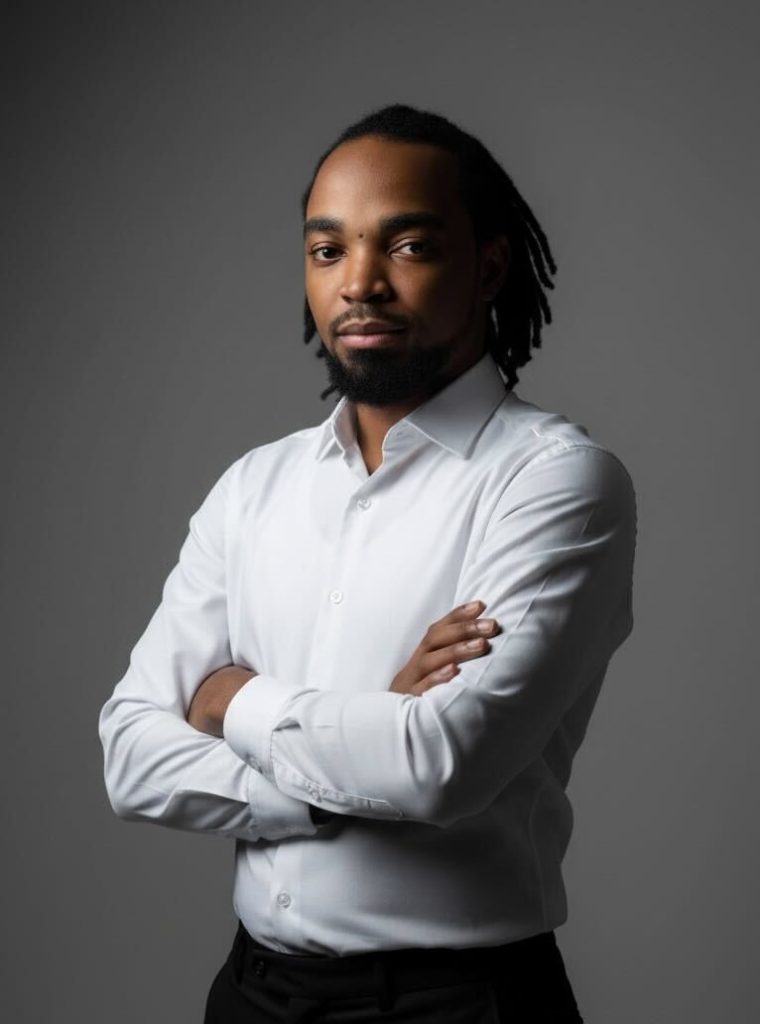
Samuel Usoroh is a Nigerian software engineer, AI specialist, and entrepreneur with over nine years of experience in fintech, AI, and blockchain. He is the Co-founder and CTO of Safegeeg, CTO of Astravest, and Senior AI Software Engineer at Engramiq (UK).
He has spoken at Google DevFest and several African tech events, mentoring young engineers and contributing to open-source projects.
Connect with Samuel:
LinkedIn: linkedin.com/in/samuel-usoroh
GitHub: github.com/ghosty47
X (Twitter): https://x.com/devusoroh?s=21