Enakl, a Moroccan and French mobility startup that offers bus-sharing services, has closed a $2.3 million seed funding round to deploy its shared transport solutions and launch a new Software as a Service (SaaS) product for operators and policy makers.
The capital injection, finalised in December 2025, follows a $1.4 million pre-seed fundraise in December 2024 and brings together three new Moroccan investors, including Azur Innovation Fund, Witamax, and MFounders, alongside returning backers Catalyst Fund and Digital Africa.
Enakl said it will use the new capital to strengthen its commercial teams, test new development models for its ridepooling fleets, and prepare for the launch of its SaaS offering. This SaaS product is the software layer that Enakl initially built for its own internal use to manage shared transport operations, cofounder Charles Pommarède told TechCabal.
The $2.3 million raise represents a pivot for Enakl in the Moroccan smart mobility landscape, shifting the company’s identity from a local fleet operator to an operating system in regional transit. In a market where individual ride-hailing is already saturated, with giants inDrive maintaining a 96% market share alongside other competitors like Yango and Careem, the funding will allow Enakl deploy a collective solution that addresses the root cause of urban congestion.
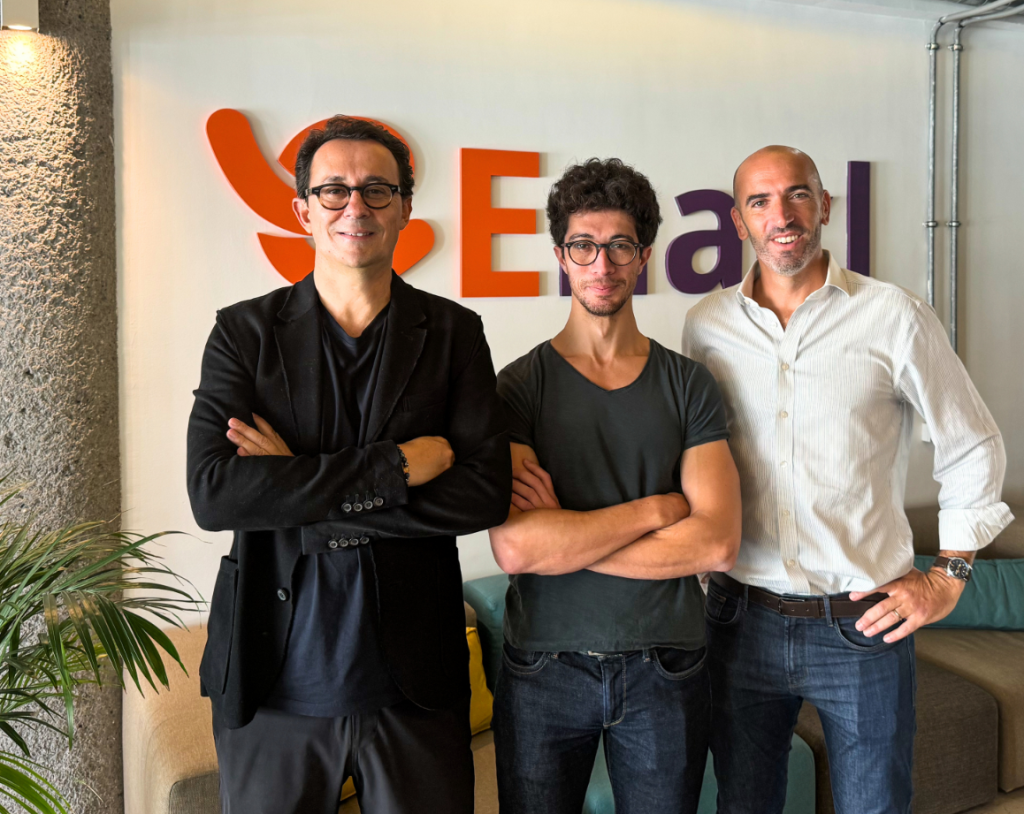
Founded in 2022 by Samir Bennani and Charles Pommarède, the startup offers a pre-planned commuting service that allows users to book shared rides on mini-buses that follow fixed routes. Enakl’s bus-sharing service targets Morocco’s urban cities where commuters face overcrowded buses and inconsistent schedules.
The bus-sharing business model limits the number of daily commuters, leading to fewer vehicles on the road. Enakl says its mission is to reduce urban congestion and accelerate the transition toward more sustainable transport. In 2024, the startup claimed it manages over 15,000 ride bookings monthly and grows this number by one-fifth monthly.
“Enakl addresses a structural challenge in mobility and fleet optimisation, with a technological and operational approach that convinced us of its strong value-creation potential,” Adnane Filali, Managing Partner at Azur Innovation Fund, said. “The team and the quality of execution already demonstrated in a fast-growing market fully align with our early-stage investment thesis.”
The startup will now offer a software layer to allow companies design routes, allocate vehicles, track performance, and monitor service quality in real time. This flexibility, the company argued, is particularly relevant in urban corridors where existing public transport services remain inefficient or struggle to adapt to shifting demand.
“The objective is not to replace public transport, but to complement it where fixed infrastructure cannot adapt quickly enough,” Pommarède added.
Apart from its software offerings, a portion of the new funding will also be deployed to experiment with alternative ridepooling fleet models, as Enakl considers a pivot from capital-intensive operating structures.
“Until now, our fleets have mostly relied on traditional operator contracts, which are capital-intensive and rigid,” Pommarède said. Enakl will now be testing a model that combines self-employed drivers, vehicle financing, and maintaining tight operational control through its platform to reduce costs and respond faster to real-time demand patterns.
In Morocco’s ride-sharing market, valued at $4.15 million in 2024, Enakl faces competition from ride-hailing companies like Careem and Heetch. Still, the company says it is setting a space for itself as a critical infrastructure for mass transit, and sees its platform, SaaS offering, and ridepooling fleets as different layers of the same system.
“Long term, Enakl is a mobility operating system that can run different types of shared transport, whether we operate the service directly or enable others to do so,” Pommarède concluded.