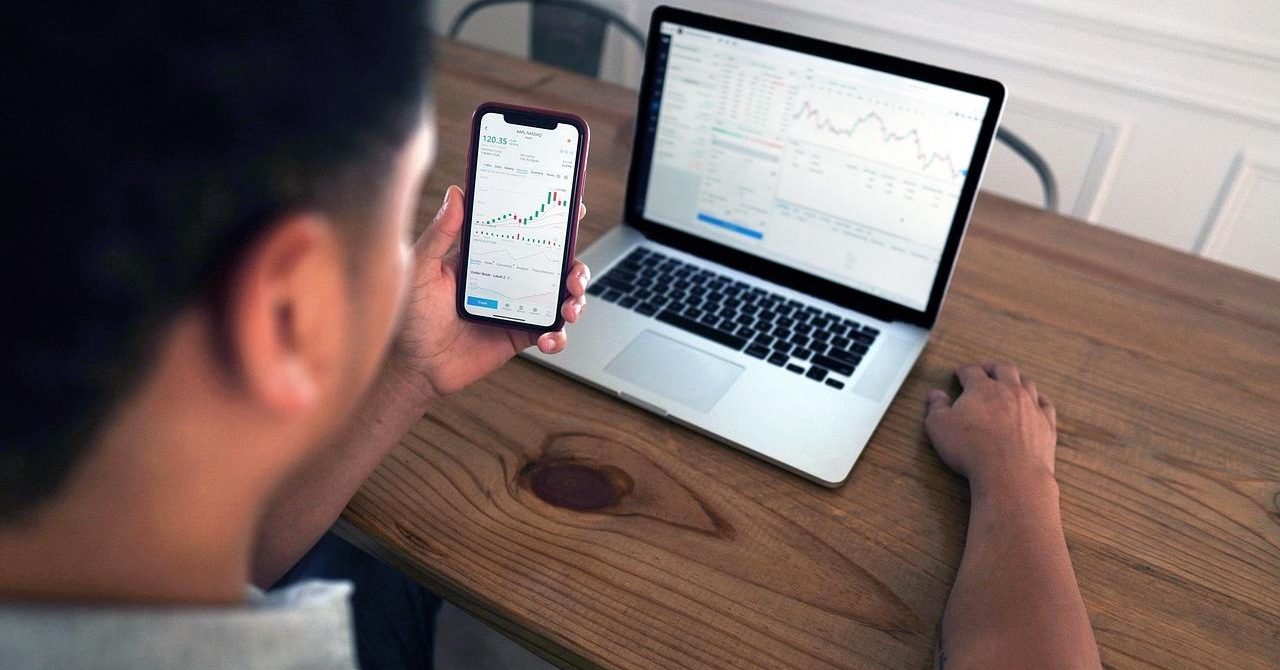
The recent surge in trading activity across Nigeria is not just noise. It feels bigger than a short-lived trend, and frankly, it is. What we are seeing reflects deeper shifts in how individuals, institutions, and small businesses are responding to currency pressure, policy uncertainty, and global financial signals. Trading volumes have started to act like a mood ring for the economy, with confidence, concern, and anticipation all showing up in real time through the naira.
Forex trading sits right at the center of this shift. What used to live on the edges of financial discussion has moved into everyday conversation. Account openings are up. Daily volume is heavier. Engagement is broader. Nigerians are not only trying to profit from volatility, they are trying to understand it and, in many cases, defend themselves against it. If you have lived through multiple exchange rate cycles, you know why this matters.
Rising participation as a signal of currency sensitivity
The growing number of active traders points to something simple but important. People are paying closer attention.
Exchange rates now affect daily decisions in a way they did not ten years ago. Prices, imports, school fees, and savings all move with the currency. When the exchange environment starts shifting faster than planning can keep up, people look for tools that respond in real time. Trading activity rises at that point.
Key drivers behind this participation include
- Rising costs of imported goods and services
- A desire to hedge exposure to naira fluctuations
- Easier access to trading platforms and education
This behavior suggests the naira is being watched closely, not tolerated passively. High engagement often appears before adjustment periods. Not always, but often enough to matter.
Volatility expectations reflected in trading volume
Spikes in trading activity rarely appear during calm periods. They emerge when people expect movement.
When traders anticipate volatility, they lean in. Long positions, short positions, and faster turnover all increase. In Nigeria, this ties directly to uncertainty around policy direction, foreign reserves, and global capital flows. The market is actively trying to price what comes next.
High volume does not automatically mean depreciation or appreciation. It signals expectation. Heading into 2026, this points to an environment of active price discovery rather than long stretches of stability. Markets with rising participation tend to absorb information faster, sometimes abruptly.
Policy signals and market interpretation
Markets do not wait politely for policy outcomes. They react to language.
In Nigeria, statements about exchange management, fiscal discipline, or monetary tightening are dissected almost immediately. Trading activity around these moments often spikes, which reveals something important. Traders are testing credibility, shaped by experience rather than emotion.
This dynamic suggests policy clarity will matter more than ever. If communication improves and actions align with guidance, activity could cool. If signals remain mixed, participation is likely to stay elevated. As 2026 approaches, the naira path depends not just on decisions, but on whether the market believes them.
Retail traders as early sentiment indicators
Retail traders have become an underrated signal.
Unlike institutions, individuals react directly to lived experience. When grocery bills rise, or access to foreign currency tightens, trading behavior shifts almost immediately. No committees. No delays.
Common sentiment signals include
- Increased short-term trading around economic announcements
- A tilt toward defensive positioning during uncertainty
- Rapid changes in bias after currency-related news
Many Nigerians are using trading activity as both a response mechanism and a forecasting tool. Their collective behavior offers a grassroots view of where expectations are leaning. Not perfect, but revealing.
External pressures and global alignment
Nigeria is tied into the global financial system whether it wants to be or not.
Changes in global interest rates, commodity demand, and emerging market capital flows ripple straight into naira expectations. When global conditions tighten, trading activity tends to rise as participants reassess risk. It is like adjusting sails when the wind shifts.
Looking toward 2026, external stability will matter. If global volatility eases, pressure could soften. If it persists, elevated trading activity may continue, signaling adjustment rather than resolution. Traders increasingly understand Nigeria’s place in the wider financial current.
Technology and access accelerating market response
Speed has changed everything.
Mobile platforms and real-time data mean sentiment no longer simmers. It moves. Nigerian traders can react instantly to news, policy statements, or global shocks. That speed amplifies volume spikes and compresses reaction time.
As access keeps improving, trading volume will become an even sharper indicator of currency outlook. For 2026, this likely means naira moves that are faster, sometimes sharper, but also more transparent. Expectations show up almost immediately.
Conclusion
The rise in trading activity across Nigeria is not just speculation in a new form. It reflects awareness, uncertainty, and active engagement with the future of the naira. Rising participation, sensitivity to policy signals, and alignment with global forces all point to a market that is alert and reactive heading into 2026.
Rather than pointing to a single outcome, this behavior suggests an ongoing adjustment process. Expectations will keep shifting. Confidence will depend on consistency, clarity, and direction. And the market will continue telling the story, trade by trade.