

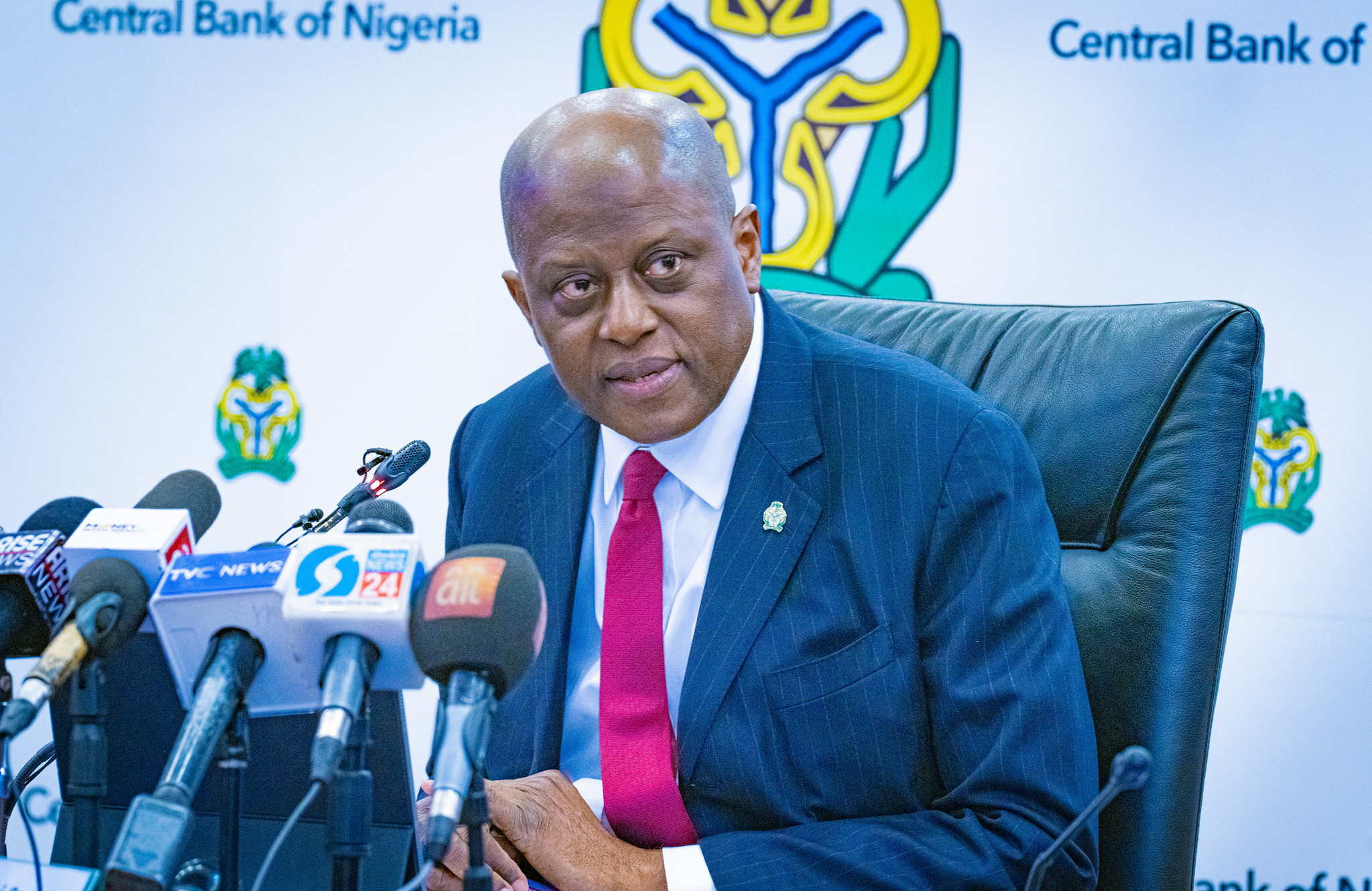
On February 2, 2026, the Central Bank of Nigeria (CBN) released its Fintech Policy Insight Report, developed through a survey of fintech executives, a closed-door stakeholder workshop in June 2025, and the CBN Fintech Roundtable in October 2025. The report is the clearest signal yet that the regulator is actively designing the next phase of growth for the ecosystem it oversees.
Nigeria’s fintech credentials are not in question. The country rolled out nationwide real-time payments in 2011, years before the United States or India. The report shows that close to 11 billion transactions were processed through the Nigeria Inter-Bank Settlement System (NIBSS) Instant Payment platform in 2024, up from 5 billion in 2022. That year, Nigerian startups raised over $520 million in equity funding.
The new playbook
The report’s proposals draw visibly from the BVN implementation template. The flagship idea is a Standing Fintech Engagement Forum, modelled on the Bankers’ Committee, meeting quarterly for two-way dialogue and policy co-creation. Alongside it, the report proposes a Single Regulatory Window to coordinate licensing across agencies, and a Compliance-as-a-Service (CaaS) utility, a shared platform that would let fintechs meet reporting obligations centrally rather than building duplicative systems. Both echo the BVN’s core logic: build the infrastructure once, let the whole industry use it.
The report also calls for expanding the CBN’s regulatory sandbox to cover artificial intelligence (AI), cross-border payments, and embedded finance, with a “test-then-codify” approach that converts sandbox learnings into formal rules. And it lays out a phased timeline: engagement forum and open banking roadmap in the first three months, sandbox expansion and regulatory passporting consultations within nine months, a formalised Fintech Advisory Council within eighteen.
The report acknowledges the risk directly. To guard against stalling, it proposes a Fintech Reform Delivery Secretariat within the CBN, warning that without such a structure, “there is a high risk that implementation efforts stall.”
A regulator experimenting and implementing
The CBN has a track record of bold regulatory bets that ultimately reshape markets, even when the path is bumpy. Its cashless policy, launched in 2012, took a decade of iteration before POS transactions hit ₦18 trillion in 2024. Its initial restrictions on crypto gave way in December 2023 to a structured licensing framework under the Cardoso administration. And the Bank Verification Number, launched in 2014 with the Bankers’ Committee as a co-owner, is now the biometric backbone of Nigerian digital finance with over 67.8 million customers registered. The through-line is a regulator that learns, adapts, and eventually lands on the right framework. The fintech report suggests the CBN is applying that same instinct earlier this time, starting in partnership mode.
The fintech report reads like an institution that has studied its own record. The CBN is listening, and this report is the CBN’s bid to positively shift into a partnership and implementation machine.
PS: This article was written by the TechCabal Insights team.