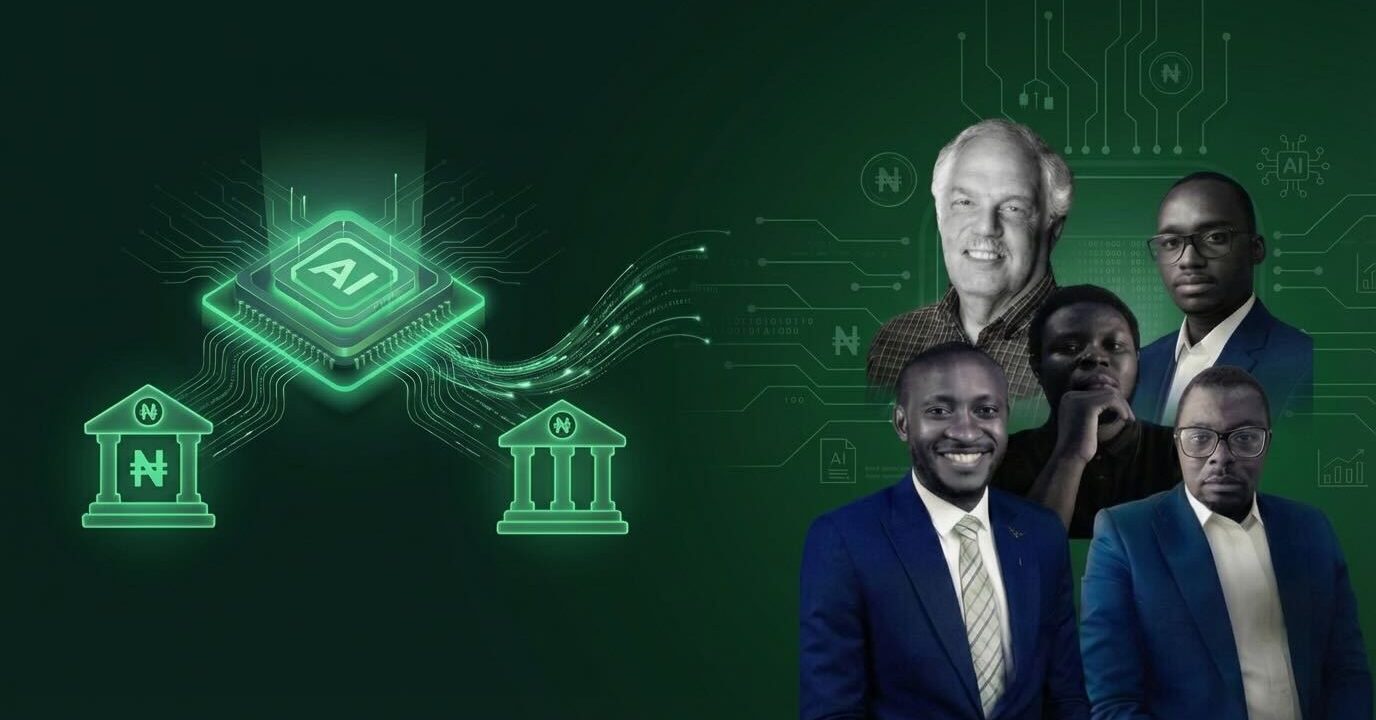
On March 11, 2026, the Central Bank of Nigeria did something it had never done before. It told every bank and fintech in the country to deploy artificial intelligence.
Not suggested. Not recommended. Mandated.
The new baseline standards require all deposit money banks to implement AI-powered anti-money laundering systems within 18 months. Other financial institutions get 24 months. Implementation roadmaps are due within 90 days. The era of manual compliance monitoring in Nigerian banking is officially over.
For most financial institutions, this creates a scramble. For Grace AI Lab, a Lagos-based startup that has spent the last year building autonomous AI agents for enterprises, it creates an opportunity they saw coming.
“We didn’t build Grace AI Lab because of the CBN mandate. But we’d be lying if we said the timing wasn’t perfect.”
Divine Matthew, Founder & CEO, Grace AI Lab
What Grace AI Lab actually builds
The company occupies an unusual position in Nigeria’s AI landscape. It doesn’t build chatbots. It doesn’t sell analytics dashboards. It builds what it calls “autonomous digital workers” — AI agents that connect to an enterprise’s core systems and execute complete workflows without human intervention.
In practical terms: a bank’s customer messages on WhatsApp about a disputed transaction. Grace AI Lab’s agent authenticates the customer, traces the transaction through the core banking system, checks the switch log, identifies it as a duplicate charge, initiates a reversal, and sends the customer a confirmation all in under three minutes. No human touched the case.
But here’s where it gets interesting. Grace AI Lab doesn’t deploy one general-purpose bot. It deploys six to eight specialist agents per enterprise a disputes agent, a cards agent, a loans agent, a foreign exchange agent each with domain-specific knowledge and controlled access to the systems it needs. When an issue exceeds any agent’s capability, it escalates to a human. But that human doesn’t start from zero.
The human agent receives a complete AI-compiled intelligence briefing: the customer’s profile, the full conversation, what the AI already investigated, what it recommends, and a draft response. The customer never repeats themselves. The human never wastes time researching.
The company calls this the L1/L2/L3 architecture. L1 handles 75% of interactions instantly. L2 specialists resolve another 20%. L3 humans, armed with AI co-pilots, handle the remaining 5%.
The CBN mandate changes everything
The March 2026 directive doesn’t just require transaction monitoring. It mandates customer identification and verification, sanctions screening, suspicious activity detection, case management, and regulatory reporting — all automated, all AI-capable, all auditable.
For tier-1 banks with deep pockets, this means accelerating existing modernisation plans. For tier-2 banks, microfinance institutions, and fintechs, it means finding a solution they can afford and deploy fast.
Grace AI Lab is positioning itself as that solution. Its fraud and AML agents are built on the same multi-agent architecture, designed to triage alerts (reducing the 90–95% false positive rate that plagues traditional systems), investigate suspicious patterns, draft Suspicious Activity Reports, and present complete case files to compliance officers.
Traction and the team behind it

Grace AI Lab is already live in Lagos. Early hospitality clients use the platform for 24/7 WhatsApp ordering, reporting a 30% reduction in order errors and significantly faster response times. A multi-location retail client is in user acceptance testing for an AI-enhanced customer experience system.

The enterprise pipeline includes tier-1 Nigerian banks, telecoms, and insurance companies. The company has also developed proposals for state government citizen service platforms.
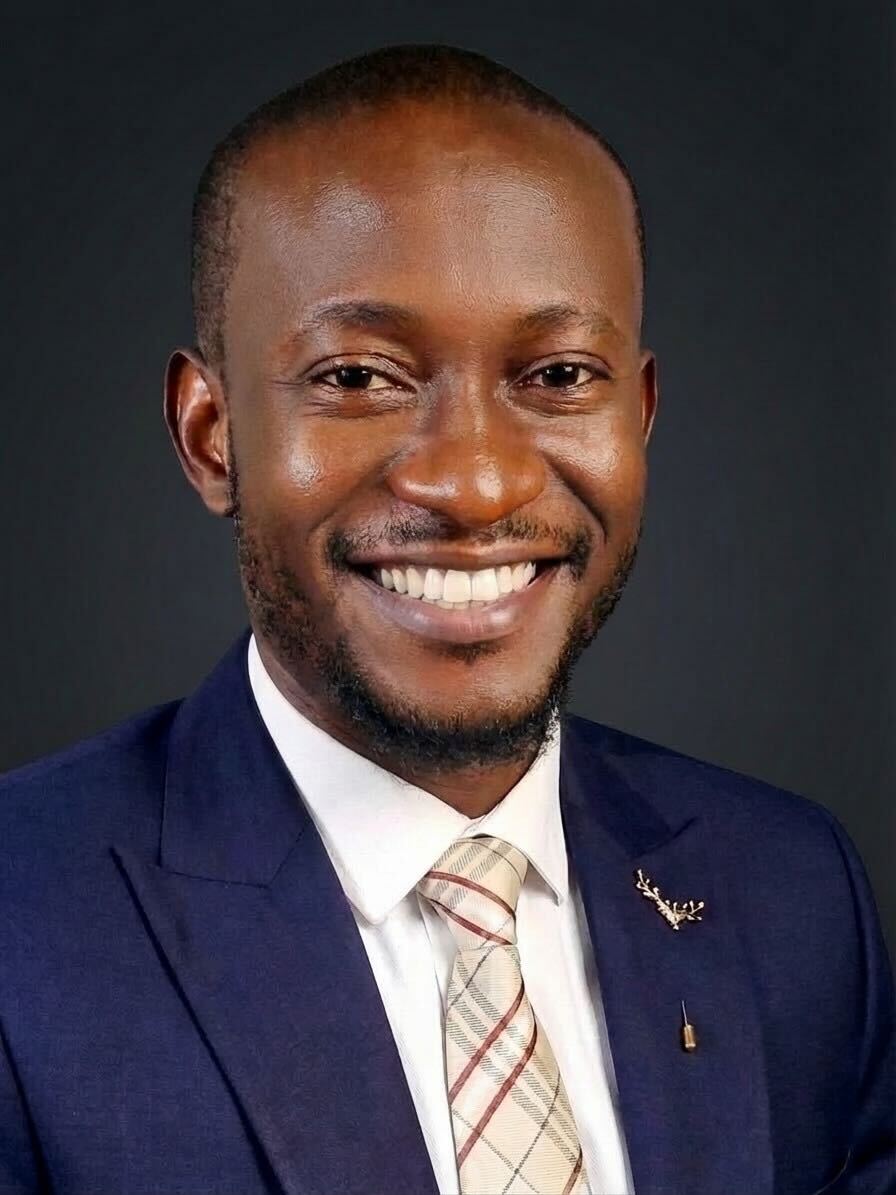
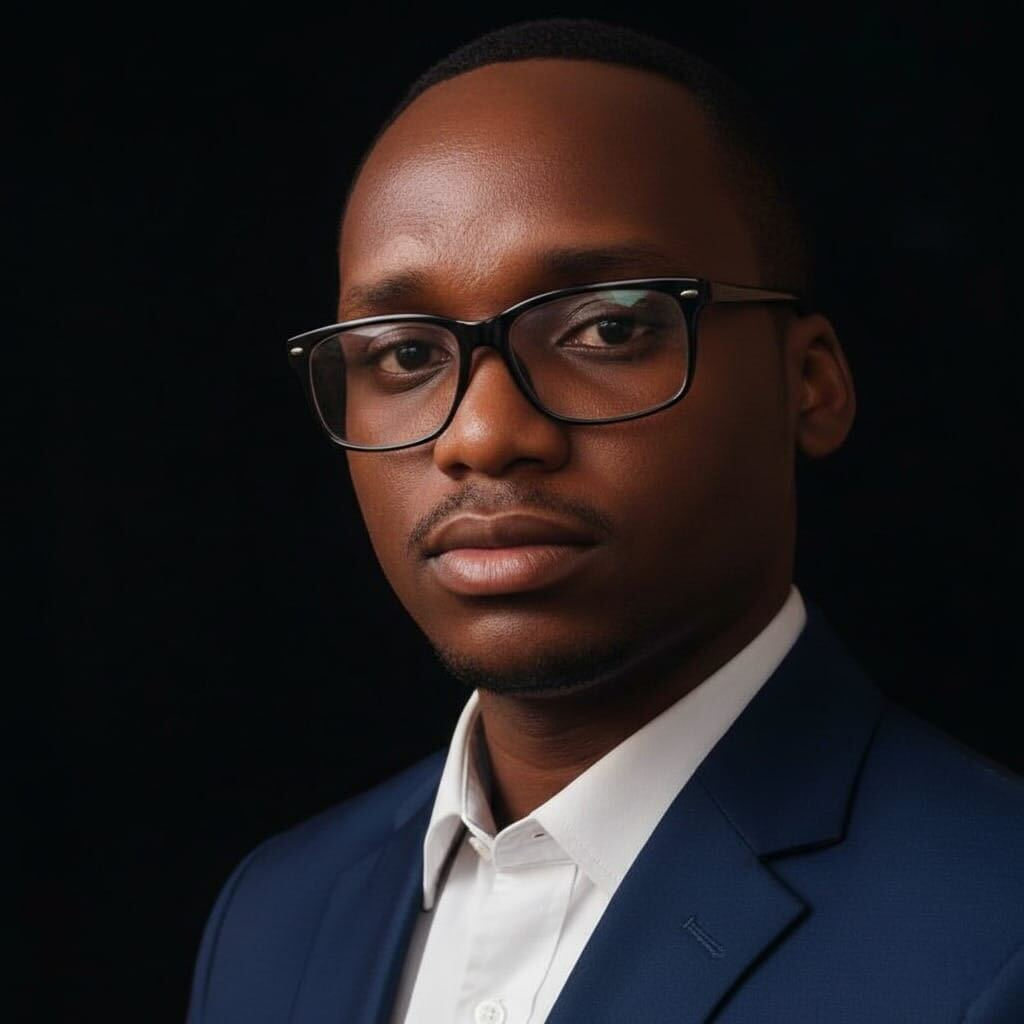
The team is led by Divine Matthew (Founder & CEO), with a board chaired by Dan Walkovitz a Silicon Valley veteran with a Stanford MBA, 45 years of experience, and eight companies founded. The leadership includes Erigha Henry, Chief Growth Officer, with 19 years in IT, sales, and telecom across West and Central Africa; Tereigh Ozakpo, who leads B2B/B2C sales, marketing, and business development; and Onyedikachi Ozoani, the company’s AI Engineer, who leads web and mobile application development.
The Bigger Bet
The CBN mandate is a catalyst, not the destination. Grace AI Lab’s thesis is broader: every enterprise process that involves a human following a procedure answering a customer, processing a claim, verifying a document, resolving a complaint, filing a report can be executed by an autonomous AI agent that learns, decides, and improves.
The question Nigerian financial institutions face today isn’t whether they’ll adopt AI. The CBN just answered that. The question is who builds it. Grace AI Lab is betting the answer starts in Lagos.
Grace AI Lab is based in Lagos, Nigeria.
For more information, visit the official Website – Graceagent.co
LinkedIn page: https://www.linkedin.com/company/grace-ai-lab/
Twitter page: https://x.com/GraceAiLab
YouTube page : https://www.youtube.com/@GraceAilabs