
The Lagos-based startup Cudium, lunched in September 2022, finding its niche in the competitive fintech landscape in Nigeria. The platform was designed for a purpose only to enable African businesses and international tourists move money across borders without all the hassles and headaches of delays and hidden fees.
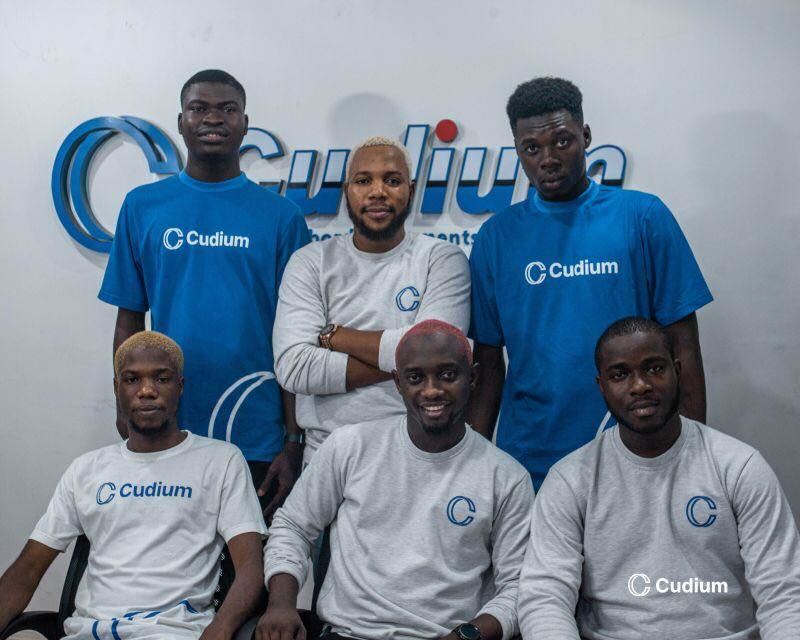
Founded by Adejumobi Abdulrahman, Akeem Osungbade, Alabi Junaid, Okunlola Sheriffdeen and Olagunju Sodiq; they wanted to fix the fragmented payment system that makes international trade expensive and unpredictable for Africans. They wanted to smooth out the disjointed payment systems that cost and delay African imports and exports. Cudium provides multi-currency wallets and real-time FX conversions to more than 120 countries, including key markets such as China, the US and the UK, have already facilitated more than $300 million in transactions per year.
Daniel Afolabi joined the company as the Founding Product Designer as the company transitioned from a concept to a working product. His role was to articulate complicated financial infrastructure into a platform that users can easily navigate. As a part of the founding team and engineering team, Afolabi designed the end-to-end mobile application, CRM dashboard, and visual identity of Cudium. The most important challenge in fintech isn’t just the code, it’s trust said Daniel Afolabi during a brief interview, according to him, he worked on the entire project with the aim of creating a user friendly and secured design feeling that allows easy navigation and visually calm appearance.
One of the product’s early successes was the optimized onboarding and verification system as part of its implementation. Afolabi reworked this flow to suit the needs from simple users to high volume corporate users. This multi-level system reduced the number of users that were going through multiple steps, which yielded a 50% rise in conversions in initial phases. Following a successful iOS release with more than 5,000 downloads, he collaborated with the engineering team to extend the experience to Android platform, thereby increasing access for users worldwide resulting in over 1,000 downloads on the google play store, and allowing users in emerging markets to enjoy the experience.
In addition to interface, Afolabi created a design system that was scalable, connecting design and code. This saved engineers a lot of implementation time and provided consistency throughout the growing startup. As the platform grew he also assumed a leadership position and recruited and mentored other visual designers and a product designers to bolster execution.
For fintech products, such as Cudium, where money is constantly flowing through the product’s walls, UX becomes an important financial infrastructure. The on boarding or transaction processes have a direct impact on retention and overall volume. The rise of Cudium exemplifies the transformative influence of user-focused, trust-building, and global commerce designers on the future of cross-border payments.