Spotify, the global music streaming giant, believes Nigerian artists’ streaming earnings will grow not because subscription prices rise, but because more Nigerians begin paying for music.
Subscription prices in Nigeria remain significantly lower than in other African markets. Spotify Premium currently costs about ₦1,600 ($1.16) in Nigeria, compared to $4.29 in South Africa, $2.07 in Ghana, and $3.23 in Kenya.
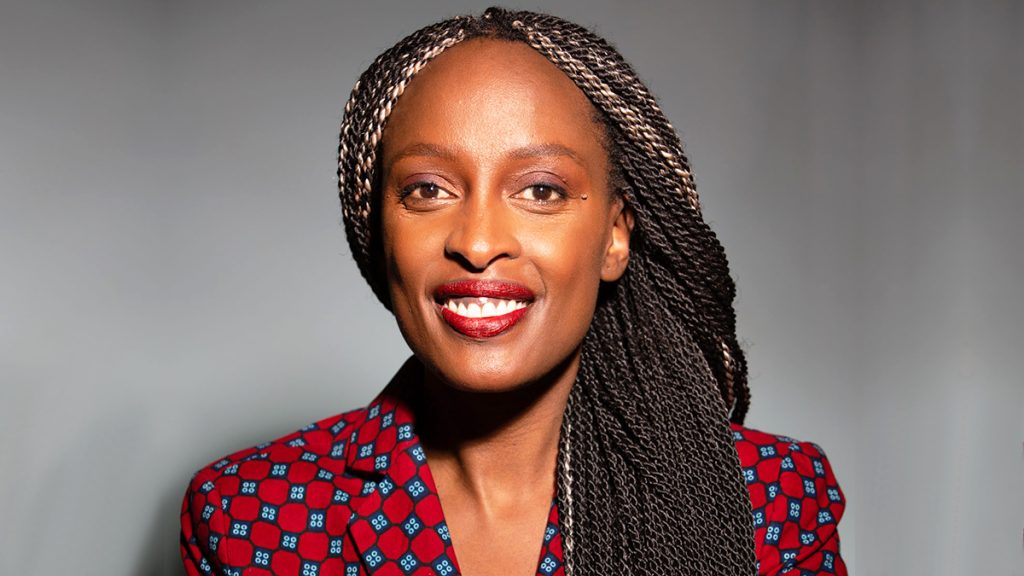
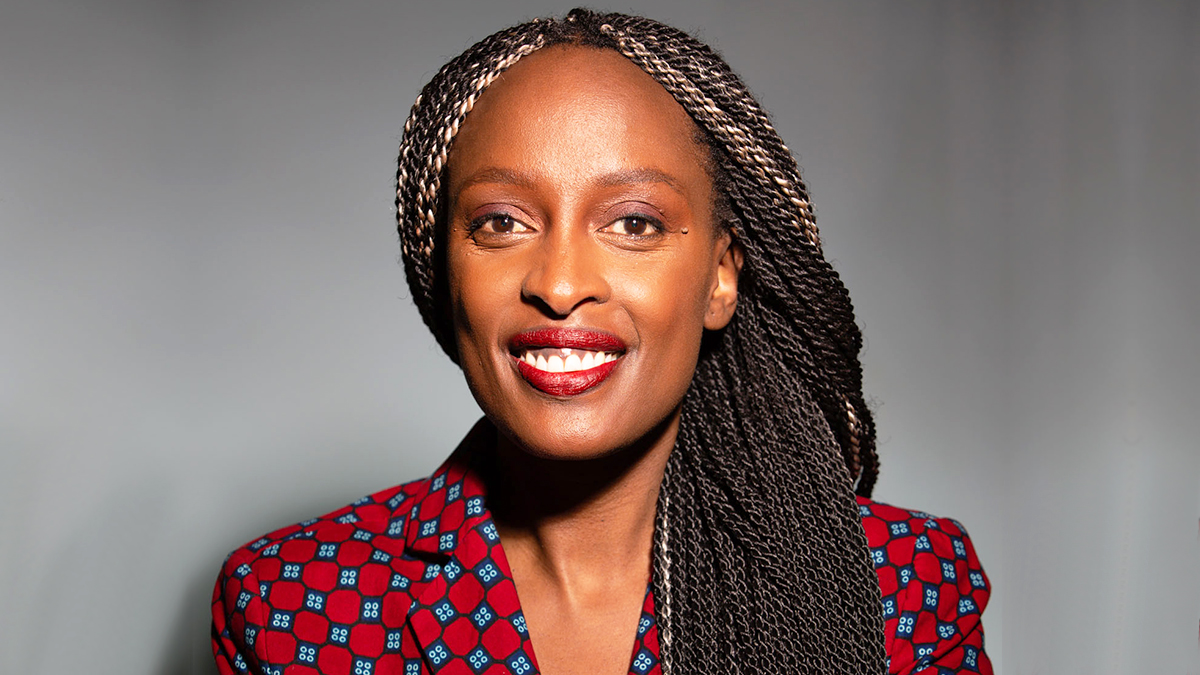
“We cannot just say, let us try to meet our benchmark and multiply and increase unreasonably,” Jocelyne Muhutu-Remy, Spotify Sub-Saharan Africa Managing Director, told TechCabal in an interview on April 14. “We need to take into consideration people’s reality.”
Streaming accounted for 69.6% of global recorded music revenues in 2025, according to the International Federation of the Phonographic Industry (IFPI), the global body for the recording industry.
In 2025, Nigerian artists earned roughly ₦1.98 for every stream on Spotify, according to figures from the global streaming platform’s annual Loud & Clear report.
“That is the reality now, but it will evolve with volume, with the growth of the market,” Muhutu-Remy said. “If the revenue per user is at that level, then it is going to be less,” Spotify Africa’s lead said. “For us, that is the most important thing, really building that habit and making it a daily thing for Nigerians and Africans to stream music. To use platforms like ours.”
Spotify currently operates in 184 markets with 761 million active users and nearly 300 million subscribers. While Spotify does not disclose country-specific figures, it said subscriptions on the continent are growing.
“You can infer how they are growing through the loud and clear numbers. That revenue comes from our subscription revenue, or from our revenue overall, but largely subscription,” she said.
Nigerian artists’ earnings grew by 140% between 2023 and 2025, according to Spotify. In South Africa, it grew by 28% year-on-year.
Currently, local listeners remain commercially important beyond raw subscription prices, as they help drive the global success of Nigerian music.
“Just because Spotify costs less in Nigeria does not mean a Nigerian fan is less valuable,” Muhutu-Remy said. “Because it takes a Nigerian to take Nigerian music out of Nigeria. So that person streaming in Nigeria may only be paying a dollar, but they have got ten family members in Canada, in the US, who are paying double digits.”
Nearly 74% of the R504 million ($30.69 million) generated by South African artists on Spotify in 2025 came from listeners outside the country, making the rest of the world South African music’s biggest market on the streaming platform.
In Nigeria, local consumption of artists on Spotify is up by 170%. This impacted artists’ payout in 2025. While artist payout grew by 140% in three years, it rose by 3.45% between 2024 and 2025.
Rather than raising prices in markets facing economic pressure, the company said it is investing in local pricing, telco partnerships, payment integrations, and alternative payment methods to increase paid subscriptions across Africa.
In 2023, Spotify partnered with telco giant Orange to offer music for free on its platform when they subscribe to an Orange mobile offer in the Democratic Republic of Congo, Madagascar, and Mali.
“By diversifying the partners we work with, by making payment accessible, by being sensitive to affordability, and by putting forward a product that really brings value in people’s lives, this is what will build the business and the ecosystem as a whole,” she said.
According to Muhutu-Remy, the assumption that African consumers are unwilling to pay for digital subscriptions despite rising economic pressure is flawed.
“You will be glad to know that generally, in Africa, the willingness to pay is there,” she said. “It is a cliché to say the opposite.”
For Spotify, Nigeria represents one of the company’s biggest long-term bets on the continent: a market where cultural influence is already established, but where subscription economics are still developing.
“Nigeria is a superpower from a cultural perspective,” Muhutu-Remy said. “It has the foundation to be a commercial superpower because the right conditions are there.”