Stablecon Salons: Africa Series is an invite-only gathering hosted by Paschal Okeke, that brings operators, builders, and policymakers together in curated settings where institutional approaches to stablecoin adoption across Africa are being shaped in real time.
Ask anyone working in African fintech what the stablecoin problem is, and you will get a different answer depending on who you ask. Regulators will tell you it is compliance. Builders will tell you it is infrastructure. Bankers will tell you it is a risk. They are all describing the same elephant.
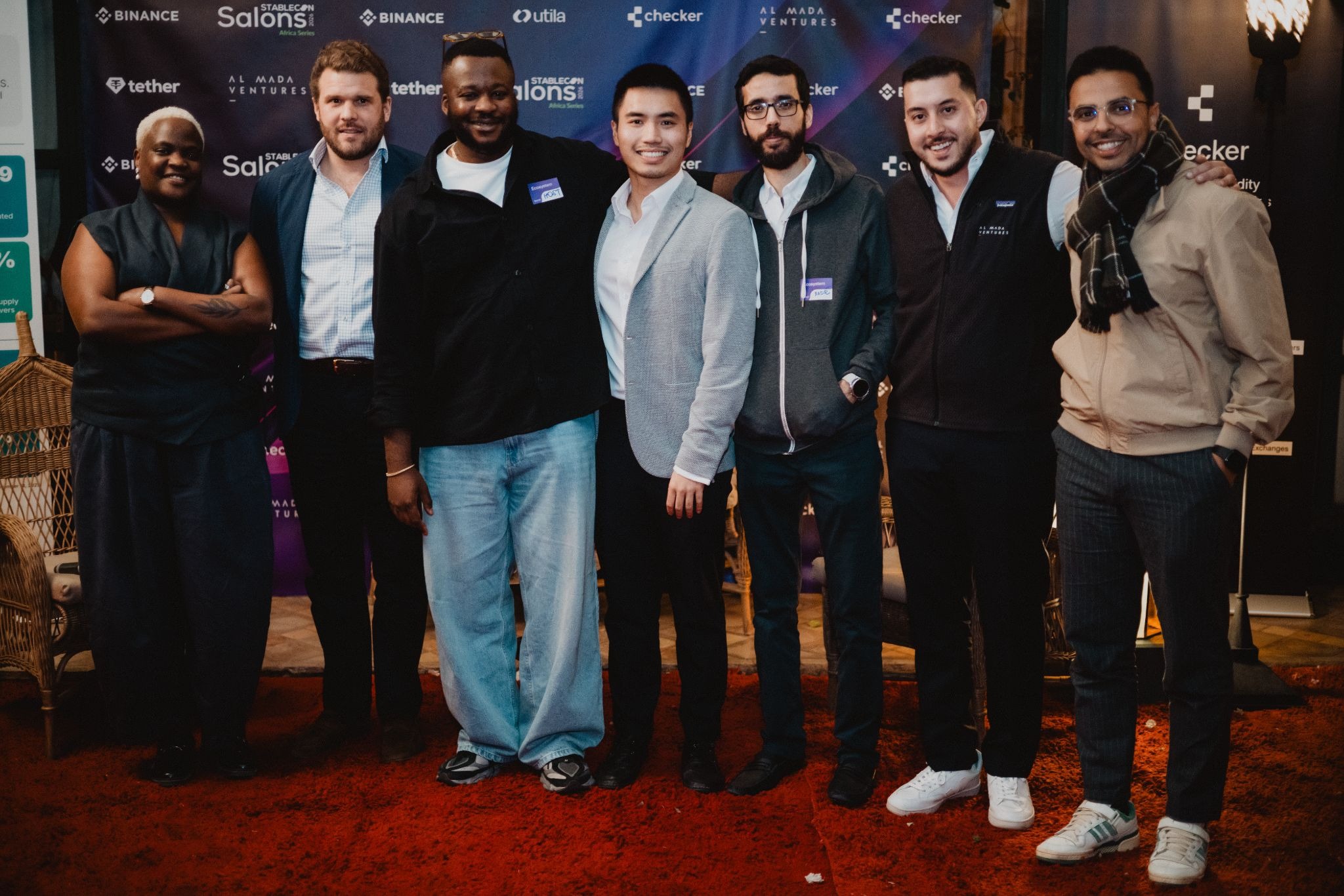
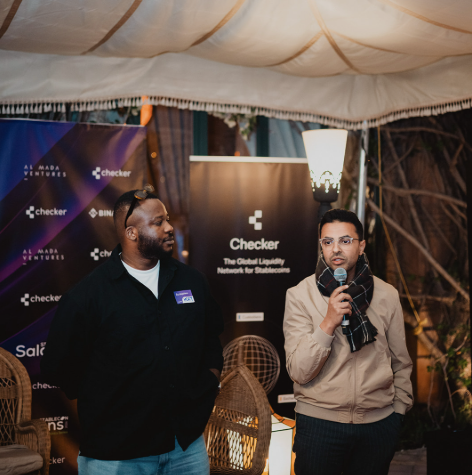
Since February, Stablecon Salon Africa Series has been in the room with all of them, across Nairobi, Kigali, and Marrakech. The series spans eight cities and is built on a single premise: that the most important conversations in this space don’t happen in front of an audience. What those three rooms have surfaced, city by city, is not a technology story. It is an institutional one.
The numbers make the stakes plain. Stablecoins now account for 43% of all crypto transaction volume in sub-Saharan Africa. The global market crossed $300 billion in early 2026, with daily settlement volumes surpassing $150 billion. The infrastructure exists. The question each city has been answering differently is why the institutions that most need to move are still the slowest to do so.
These conversations have been powered by Checker, Binance, Tether, Utila and Al Mada Ventures.
Nairobi: The rules arrived. The institutions are still catching up
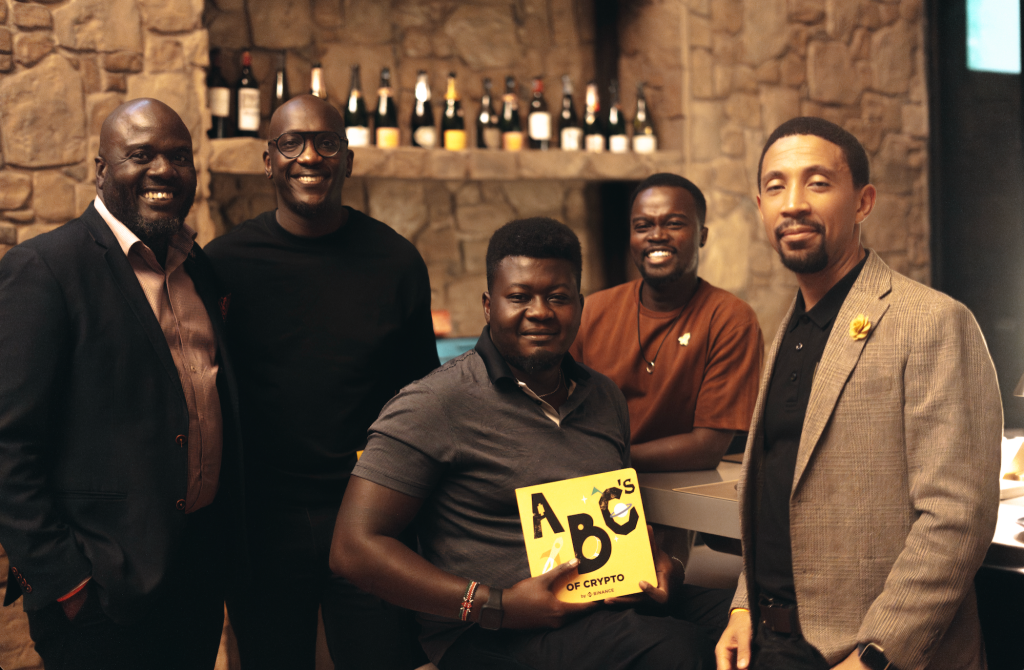
Kenya had already passed its VASP Act before the series arrived. That meant the first room skipped the regulatory debate entirely and landed somewhere more interesting: the operational reality of institutions trying to reorganise around infrastructure that behaves nothing like what they were built for.
Joan Gachanja, FX Manager Africa at Thunes, described what that reorganisation actually looks like from inside a treasury function. The shift to stablecoin-settled flows didn’t create the friction her team expected. It removed constraints they had spent years building workflows around, the float buffers, the timing windows, and the assumption that settlement waits for banking hours. Treasury stops being cyclical and becomes continuous. The model doesn’t update itself to match. People have to do that, and people move more slowly than software.
Nairobi’s findings were that the regulatory readiness and institutional readiness are not the same thing, and the distance between them is measured in change management.
Kigali: A Licensing framework is not an ecosystem.
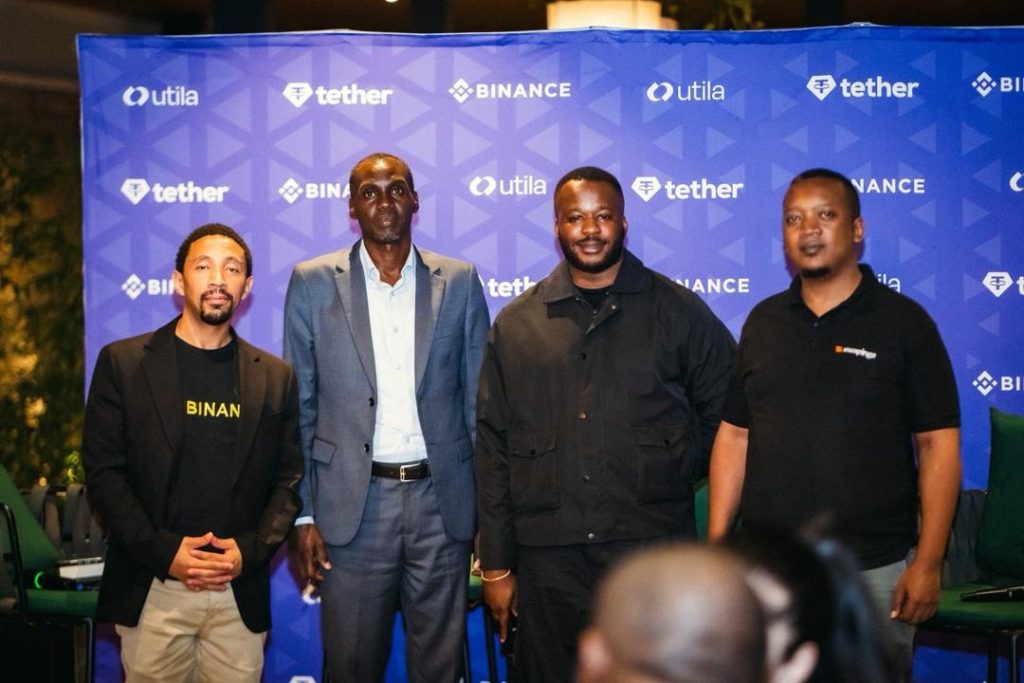
Rwanda’s VASP framework landed in March 2026, drawing an exceptional mix of operators, policymakers, and ecosystem leaders into the Kigali room at precisely the right moment. What the conversation produced wasn’t a celebration of that milestone. It was a map of everything the milestone doesn’t yet include.
Norbert Haguma, Chairman of the Rwanda Blockchain Association, named it the Tokenisation Services Layer. The licensed platforms are being built. What surrounds them in traditional finance, the specialist lawyers, the compliance-fluent accountants, the accredited financial asset valuators, took decades to develop and don’t yet have a stablecoin equivalent across most African markets. A framework tells you what is permitted. An ecosystem tells you how to operate inside it. Rwanda has the first. The second is still being assembled.
Kigali’s findings were that the gap after regulation is not smaller than the gap before it. It is just different.
Marrakech: Everyone in the room agreed the rails are ready. That’s not the problem.
Co-hosted with Al Mada Ventures, Marrakech put the series’ central tension into its sharpest relief yet. Morocco has processed approximately $12.7 billion in crypto transaction flow despite a ban in place since 2017, placing it in the global top 20 on Chainalysis’s 2026 adoption index. The market is not waiting for the regulatory green light. It is already moving.
Francis Ogbuka of Utila, whose platform institutions use when they are ready to plug into stablecoin operations, was direct: the rails are there. Readying the institutions that need to run on them is the work that remains.
Larry Cooke came to lead legal for Binance Africa after years inside the South African Reserve Bank. He described what institutional unreadiness looks like up close: compliance teams without a framework for assessing a stablecoin settlement account, boards that cannot yet articulate the risk, risk functions that say no by default because no requires less explanation than yes. The answer to that is not better rails. It is compliance language, risk frameworks, documented precedents, and the internal education that turns regulatory permission into operational practice.
Marrakech’s findings were that the technical problem was solved some time ago. The institutional problem is where the work actually is.
The Capital is reading the same map.
Utila secured over $40 million in funding and joined the Mastercard Crypto Partner Program.
Checker, present in both Nairobi and Marrakech, closed an $8 million raise led by Al Mada Ventures.
Tether invested in LemFi to deepen stablecoin-powered remittances across African and emerging markets. The investment is going into compliance tooling, audit infrastructure, and the reporting layers that make stablecoin operations legible to institutions. Exactly what the rooms have been identifying as the gap.
Arnoud d’Yve de Bavay, who leads Africa expansion for Tether and has attended since Kigali, put the underlying logic simply: “Start with payments. Everything else follows.” Cross-border payments, remittances, treasury flows; these are the use cases producing real commercial traction because they remove friction that already exists rather than asking institutions to adopt entirely new behaviour. The markets skipping this phase are the ones stalling. The data keeps making that argument.
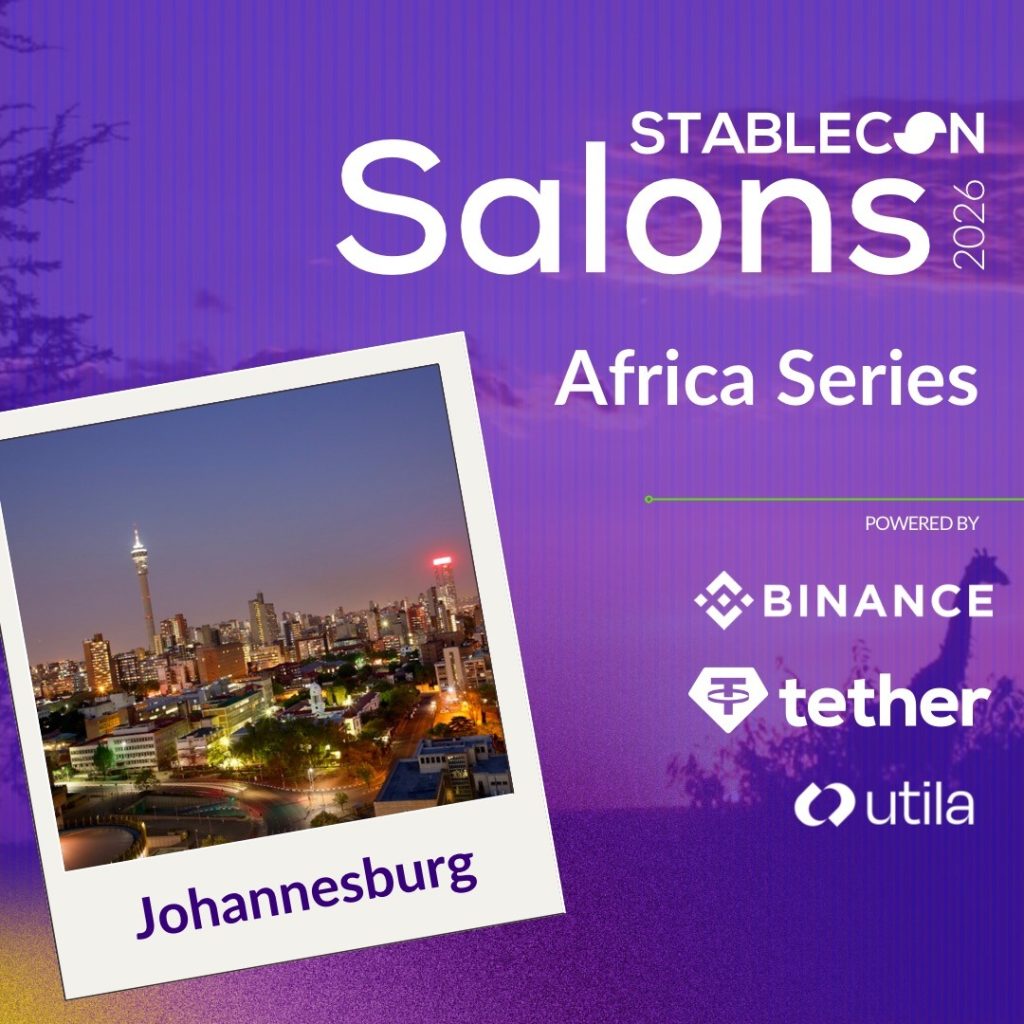
Johannesburg, June 25th. Fourth City. Sharpest room yet.
South Africa is the most institutionally developed digital asset market the series has visited. The FSCA’s licensing regime leads the continent, practitioner depth is real, and the commercial questions this city brings will be more pointed than anything the series has fielded so far. The fourth edition out of eight arrives on June 25th, and like every city before it, Johannesburg comes with its own theme.
To attend, register here. To follow the series across the remaining cities, subscribe on Substack.
Stablecon Salons is a series of intimate gatherings for operators, builders, and policymakers working on the future of cross-border payments and digital finance across Africa. The series spans eight cities.