


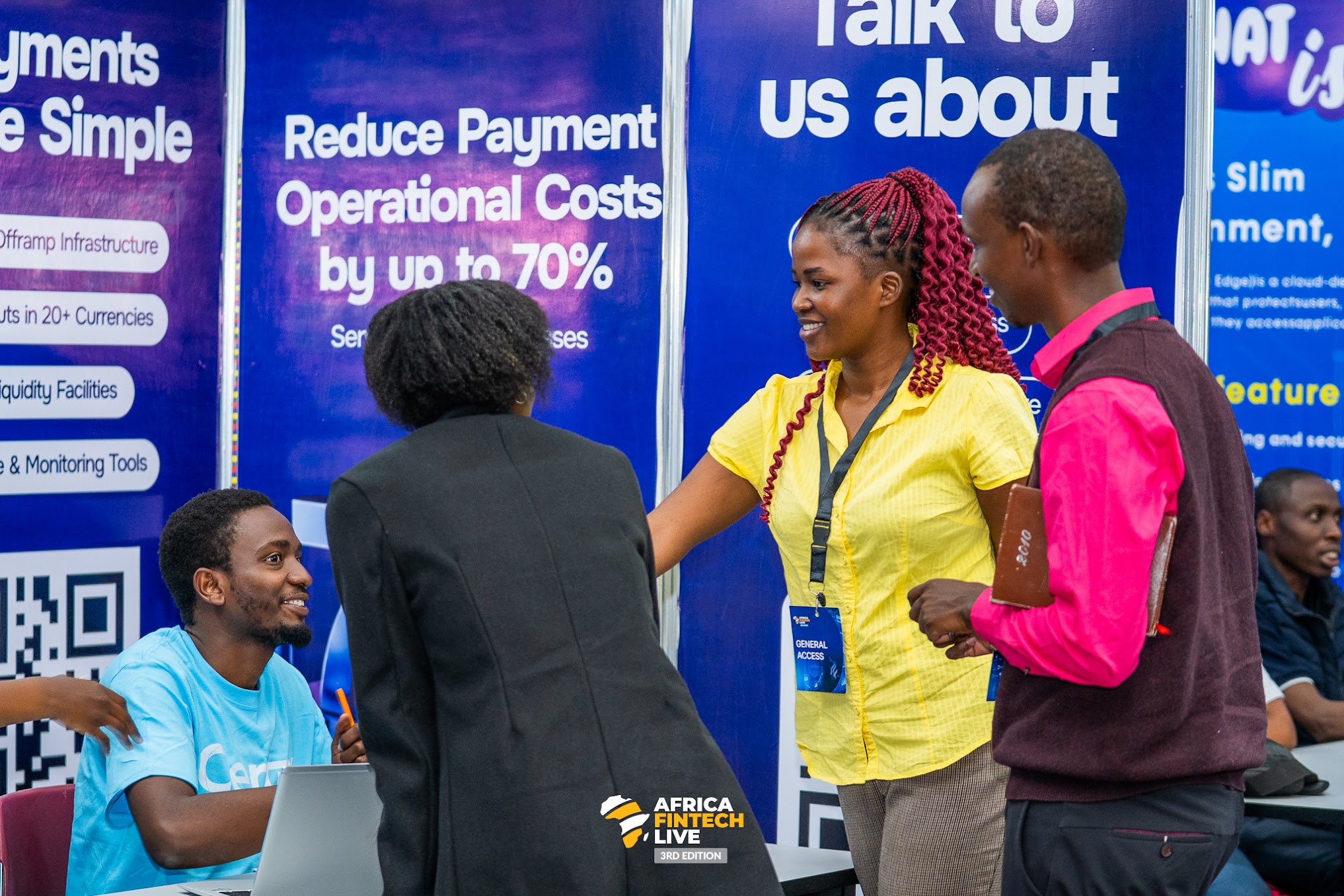
This is the state of cross-border payments infrastructure. Settlement networks operate independently, and fintech operators face a similar operational burden: integrating with multiple providers, managing separate liquidity pools, and paying a fragmentation tax at every step.
Centiiv’s team built the platform to collapse fragmented financial workflows by providing access to multiple payment rails, blockchain networks, fiat corridors, and banking infrastructure through one platform.

Why fragmentation still costs
Cross-border payments technology has advanced significantly, yet blockchain provides near-instant settlement. The reason for this fragmentation is that:
- Liquidity sits in different places: Stablecoin liquidity transacts on the blockchain, and fiat liquidity, which is the everyday currency that the average person tenders, transacts through banking corridors.
- Settlement networks operate independently: Moving a payment from one network to another requires a manual step or a custom integration.
- Multiple integrations are required: Sending money across borders means navigating multiple APIs in each market. A single cross-border transaction might touch four different systems before it settles.
- Cost leakage at every step: Each intermediary receives their cut of the money that is sent. By the time money arrives at its destination, a sum has been lost to infrastructure overhead.
How Centiiv inverts the problem

Instead of asking operators to integrate with multiple providers, Centiiv provides unified access to multiple payment rails through a single integration. So, a developer integrates once with Centiiv. And through that single integration, they get access to Solana and Stellar incredibly fast and low-cost blockchain networks for stablecoin settlement, fiat networks across Africa, Latin America (LATAM), and the Middle East/North Africa (MENA), and global banking corridors. -So, instead of maintaining separate pools for each provider, operators can access multiple rails.
Centiiv intelligently routes each transaction through the most efficient corridor: if you’re sending stablecoins to Brazil, using blockchain rail, or settling in GBP to the UK. With Centiiv, fintech founders can integrate once and scale to other countries without rebuilding.
Centiiv 2.0: What changed
Centiiv 2.0 now supports the Solana rollout, supporting USDC, USDT, and cNGN, and Solana for stablecoin settlement. Centiiv 2.0 also supports EURC onramp and offramp via Stellar, as well as Circle’s Euro Coin. This means operators can settle transactions in EUR without managing a separate banking relationship. For diaspora use cases and European payments, this opens new corridors.
Aside from supporting Solana and Stellar, Centiiv 2.0 provides named Business accounts for USD, GBP, and EUR. Operators can hold and manage business accounts across currencies without managing multiple banking relationships.
The platform also allows expanded global payment coverage across over twenty currencies. Coverage now includes African currencies (NGN, KES, GHS), LATAM currencies (MXN, BRL, ARS), MENA currencies, and major globals (USD, EUR, GBP). So, Operators are not limited to USD and stablecoins, and can operate in local currencies without managing separate corridors.
Why this matters for African fintech
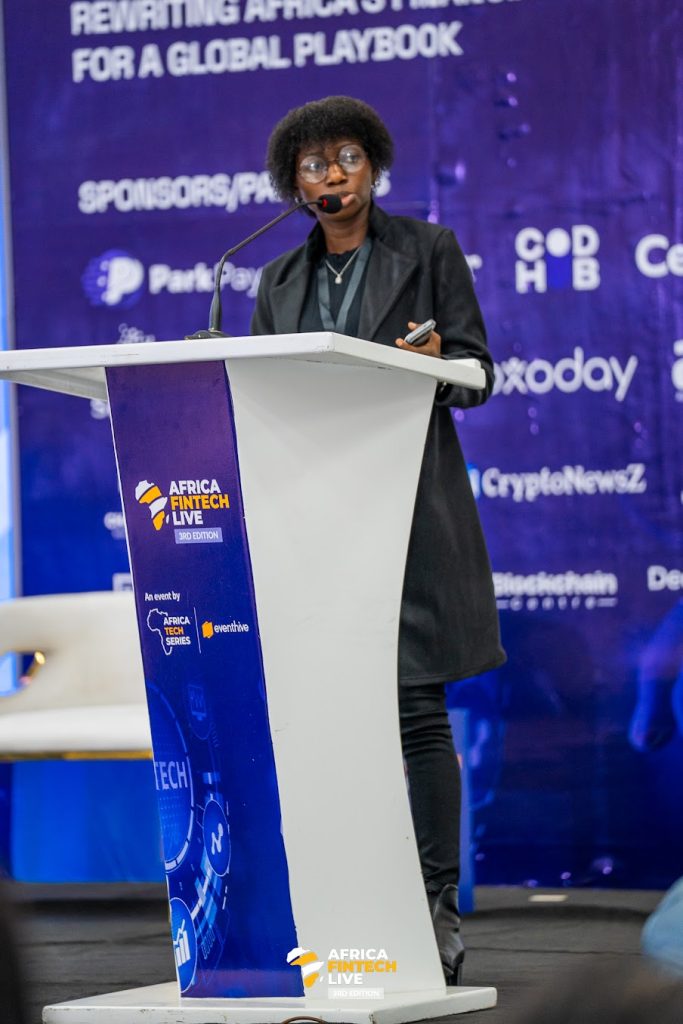
An African operator should not have to choose between expensive banking rails and unreliable stablecoin networks. Centiiv’s model means operators can use whichever rail is optimal for each transaction.
Longer term, Centiiv is working on:
- No-code payment infrastructure for non-developers
- Expansion into additional African and global fiat corridors
- More stablecoin settlement options
- Additional banking partnerships
- Continued improvements to scalability and developer tooling
Each of these moves Centiiv closer to the goal: becoming the infrastructure layer that African fintech, LATAM fintech, and emerging market fintech use by default. For developers, the value is clear: integrating with Centiiv takes weeks. For operators, Centiiv removes the infrastructure management burden that’s been blocking fintech scaling in emerging markets.
Request a demo, discuss integration or contact Centiiv 2.0: https://www.centiiv.io/
Read the full Centiiv 2.0 announcement: https://blog.centiiv.io/centiiv-2-0-building-for-predictability-not-hype/