South Africa’s digital transformation is stalling because the government agency responsible for buying and delivering technology is struggling to do its own job.
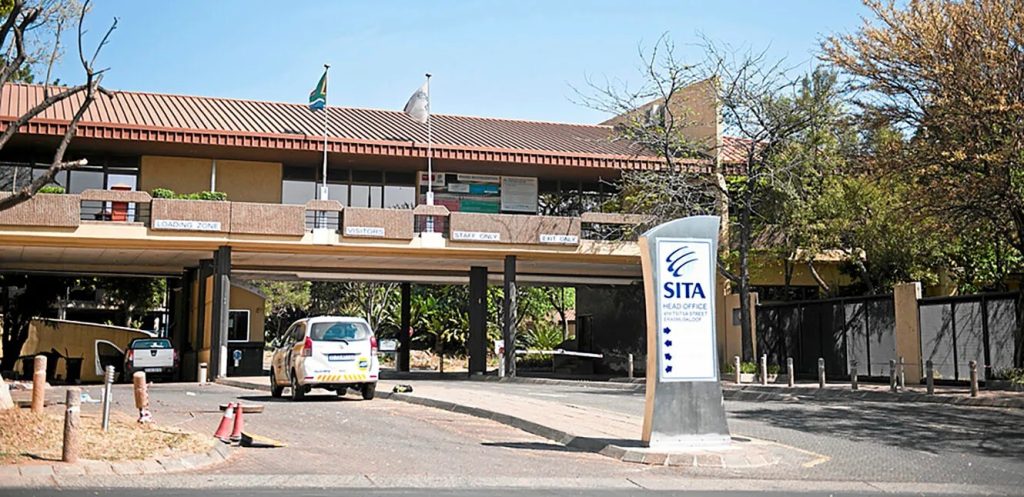
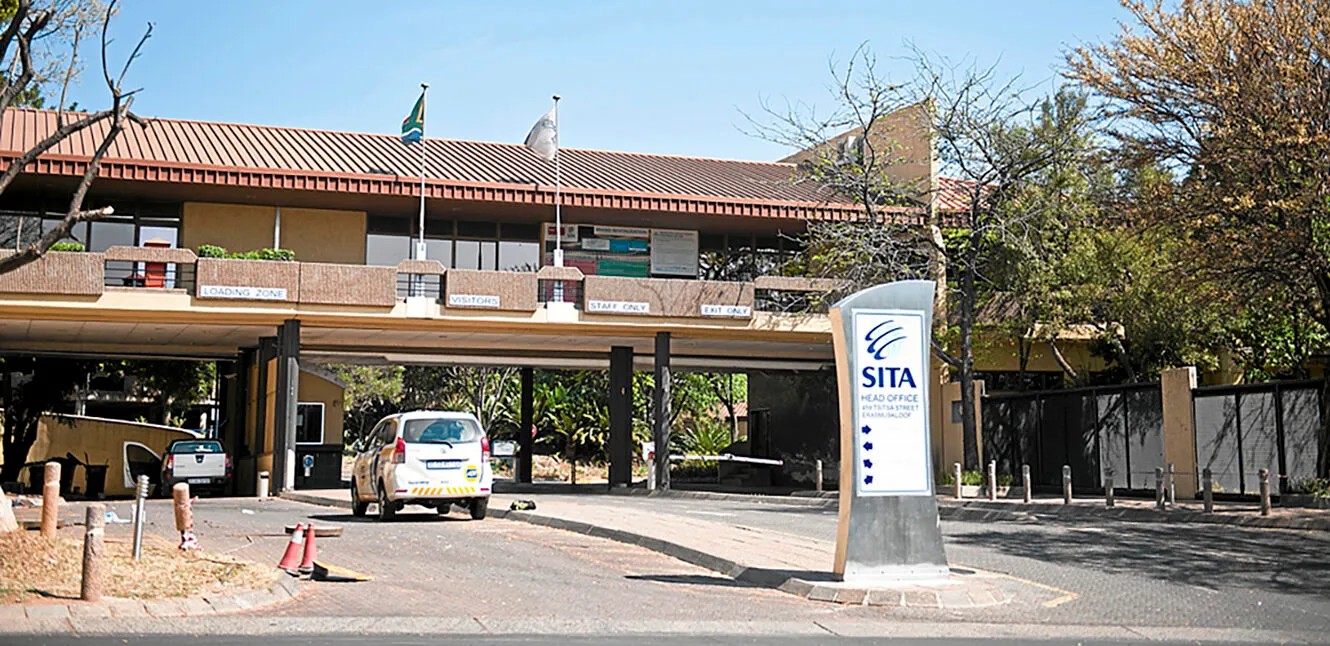
Findings of a Public Service Commission (PSC) investigation, released on Monday, have revealed systemic failures at the State Information Technology Agency (SITA), the country’s digital backbone, where procurement delays and leadership instability have slowed the delivery of critical Information and Communications Technology (ICT) systems across government.
The probe, commissioned by Communications and Digital Technologies Minister Solly Malatsi in December 2024, paints a picture of an institution whose operational failures have become a national digital transformation risk. While more than R2 billion ($123 million) in irregular expenditure over four audited financial years has attracted attention, the report revealed that the bigger problem is an organisation unable to consistently procure, manage and deliver technology for the government.
“This report is difficult reading, but it is necessary reading,” Malatsi said on Monday when releasing the findings alongside PSC chairperson Professor Somadoda Fikeni. “SITA is the state’s central ICT engine. When SITA fails, departments wait longer for the systems they need, budgets are placed under pressure, and citizens ultimately experience the consequences through poorer public services.”
The damning report concludes that SITA’s problems extend far beyond financial irregularities. Instead, it identifies a systemic failure of execution in which governance, procurement, and human resource frameworks existed on paper but repeatedly failed in practice. “The overall consolidated finding is that SITA maintained formal governance, procurement, human-capital, ethics, risk and oversight frameworks during the period under review, but that these frameworks were not consistently implemented, enforced or monitored in practice,” the report noted.
That implementation gap has become a bottleneck for South Africa’s digital state. The PSC found that of the 1,443 procurement processes reviewed, one in four never resulted in an award. A total of 278 tenders were withdrawn, 52 cancelled, and another 34 closed without any recorded reason, resulting in a procurement attrition rate of 25.2%.
The delays were equally severe. The investigation found 529 procurement matters still sitting in the pipeline, while 203 procurement processes took longer than a year to move from work order to completion. Some contracts remained stuck in adjudication and contracting for more than 400 days.
According to the report, procurement backlogs have affected the government’s ability to acquire critical ICT infrastructure and digital services, forcing departments including the South African Police Service, the Department of Home Affairs and the Department of Justice and Constitutional Development to seek exemptions from SITA procurement processes to meet operational requirements.
The report concluded that procurement delays “affected client departments, service continuity, project delivery, budget utilisation and confidence in SITA’s role as a central ICT procurement and service-delivery entity.” Beyond procurement, investigators found SITA lacked a reliable, integrated, and automated contract management system. Contract expiry dates were tracked manually, supplier performance monitoring was fragmented, and the agency could not consistently demonstrate value for money across technology procurement.
“The evidence does not support a finding that SITA maintained a fully reliable, integrated and automated central contract repository,” the report stated. For an organisation responsible for enabling digital government, investigators found an institution still heavily dependent on manual processes, fragmented records and incomplete automation.
The findings also link procurement failures to years of leadership instability. Between 2020 and 2025, repeated changes in ministers, board leadership, managing directors and executive teams weakened institutional memory, accountability and decision-making.
“The evidence indicates that leadership instability was a central driver of institutional weakness,” the report said. “Repeated leadership changes disrupted implementation cycles and made sustained corrective action difficult.”
Rather than treating the findings as isolated governance failures, the PSC concludes they represent interconnected weaknesses that threaten the government’s broader digital transformation agenda. “SITA’s weaknesses affect more than internal governance compliance,” the report noted. “They bear directly on SITA’s ability to perform its public-sector ICT role with credibility, efficiency, accountability and service-delivery reliability.”
Malatsi said the PSC’s findings provide the government with a practical roadmap rather than simply documenting institutional failures. “The value of this report is that it does not leave us with vague concerns. It gives us a clear diagnosis, a set of practical reforms and hard deadlines,” he said.
The minister and the PSC have given SITA’s board 30 business days to submit a board-approved stabilisation and recovery plan, including a verified procurement backlog baseline.
True scale demands moving beyond surface-level integrations to robust execution. We’ve filtered the noise out of Moonshot 2026, optimising the conference strictly for high-calibre connections between startup founders, global financial operators, enterprise leaders and individuals rewiring Africa’s technical frameworks.
Get 20% off Early Bird tickets for a limited time.