 Ever been to large supermarkets? At checkout, the cashier scans the items’ barcode, and information is sent to the point-of-sale system, which has the pricing information, and will make any necessary calculations. They were first used in the ‘60s, when coloured stripes were placed on train cars, and a trackside scanner would read information about the car on its way to the classification yard. Today, they are used almost exclusively in supermarkets and malls.
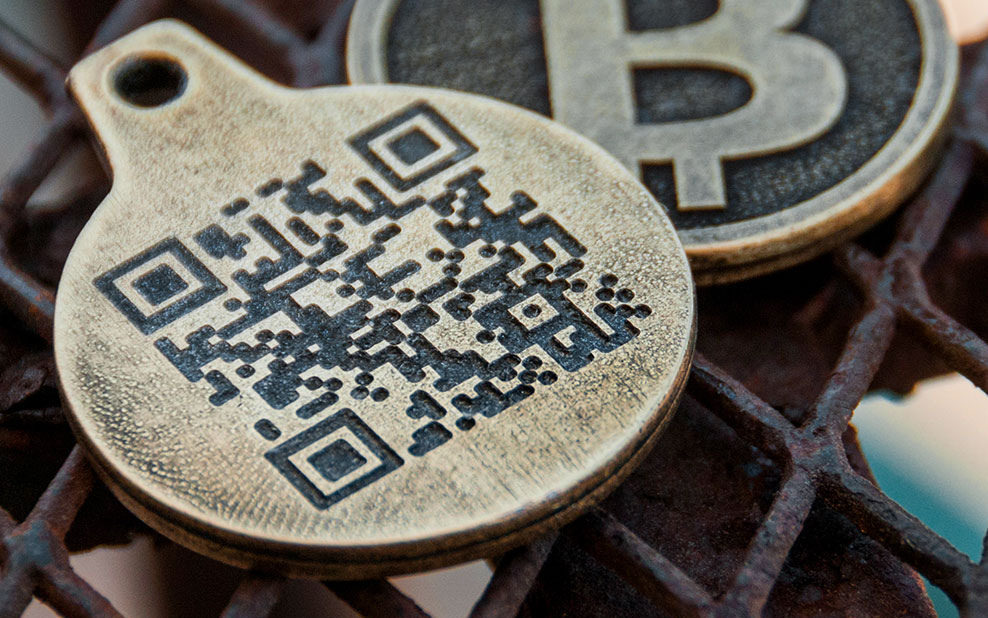
The problem is that QR codes are 1-dimensional and can only store between 20-25 characters of information – not useful for much outside the retail business. This spurred the birth of matrix (2-dimensional) codes, which save information both horizontally and vertically. A number of variations have evolved over the years, from their inception in the Japanese automotive industry in 1994, namely the QR – Quick Response code, Shotcodes, PDF417 (as used behind our drivers licenses), EZcode, amongst many others. These 2-dimensional codes can house up to 2000 characters, depending on their size.
These codes can be read by even the most rudimentary mobile cameras and interpreted using Reed-Solomon correction, and allow devices perform an infinite number of tasks with the information gleaned from the codes. From location based advertising, to links to company websites, to viewing short films about everyday objects (on which QR codes are printed). Many thought these barcodes would define how humans would interact with each other (and by extension machines), even providing a seamless link between the online and offline worlds. Movies, like Back To The Future II depicted motor cars as having barcode number plates. How come they haven’t caught on as fast as we thought?
Ever been to large supermarkets? At checkout, the cashier scans the items’ barcode, and information is sent to the point-of-sale system, which has the pricing information, and will make any necessary calculations. They were first used in the ‘60s, when coloured stripes were placed on train cars, and a trackside scanner would read information about the car on its way to the classification yard. Today, they are used almost exclusively in supermarkets and malls.
The problem is that QR codes are 1-dimensional and can only store between 20-25 characters of information – not useful for much outside the retail business. This spurred the birth of matrix (2-dimensional) codes, which save information both horizontally and vertically. A number of variations have evolved over the years, from their inception in the Japanese automotive industry in 1994, namely the QR – Quick Response code, Shotcodes, PDF417 (as used behind our drivers licenses), EZcode, amongst many others. These 2-dimensional codes can house up to 2000 characters, depending on their size.
These codes can be read by even the most rudimentary mobile cameras and interpreted using Reed-Solomon correction, and allow devices perform an infinite number of tasks with the information gleaned from the codes. From location based advertising, to links to company websites, to viewing short films about everyday objects (on which QR codes are printed). Many thought these barcodes would define how humans would interact with each other (and by extension machines), even providing a seamless link between the online and offline worlds. Movies, like Back To The Future II depicted motor cars as having barcode number plates. How come they haven’t caught on as fast as we thought?

Quick Links


Categories

Newsletter

Events
-
Share
Ever been to large supermarkets? At checkout, the cashier scans the items’ barcode, and information is sent to the point-of-sale system, which has the pricing information, and will make any necessary calculations. They were first used in the ‘60s, when coloured stripes were placed on train cars, and a trackside scanner would read information about the car on its way to the classification yard. Today, they are used almost exclusively in supermarkets and malls.
The problem is that QR codes are 1-dimensional and can only store between 20-25 characters of information – not useful for much outside the retail business. This spurred the birth of matrix (2-dimensional) codes, which save information both horizontally and vertically. A number of variations have evolved over the years, from their inception in the Japanese automotive industry in 1994, namely the QR – Quick Response code, Shotcodes, PDF417 (as used behind our drivers licenses), EZcode, amongst many others. These 2-dimensional codes can house up to 2000 characters, depending on their size.
These codes can be read by even the most rudimentary mobile cameras and interpreted using Reed-Solomon correction, and allow devices perform an infinite number of tasks with the information gleaned from the codes. From location based advertising, to links to company websites, to viewing short films about everyday objects (on which QR codes are printed). Many thought these barcodes would define how humans would interact with each other (and by extension machines), even providing a seamless link between the online and offline worlds. Movies, like Back To The Future II depicted motor cars as having barcode number plates. How come they haven’t caught on as fast as we thought?

-
Read Next
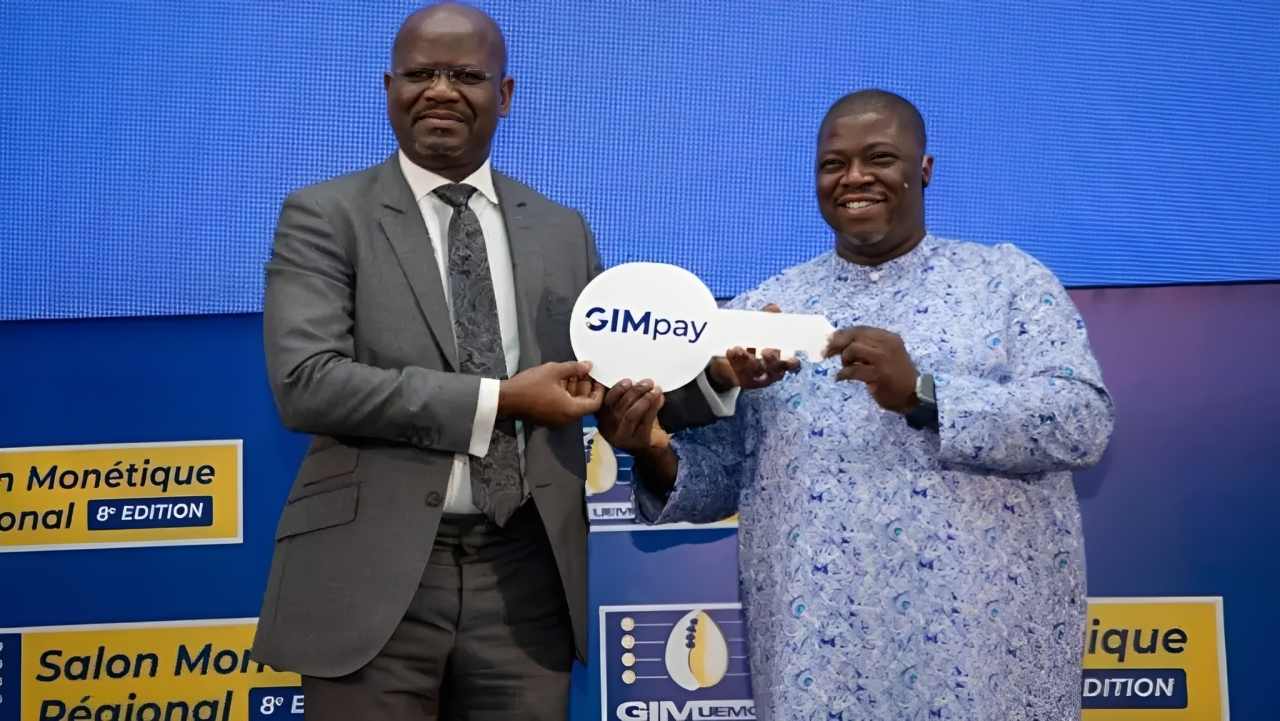
L-R: Habib Thiam, Secretary General of the BCEAO, and Minayegnan Coulibaly, former Director General of GIM-UEMOA, during the launch of GIMpay in 2024. Image Source: GIM-UEMOA via RFI
-
Read more
-
L-R: Habib Thiam, Secretary General of the BCEAO, and Minayegnan Coulibaly, former Director General of GIM-UEMOA, during the launch of GIMpay in 2024. Image Source: GIM-UEMOA via RFI -

Bank Zero CEO Yatin Narsai says alliance banking is driving the bank’s next phase of growth. Image Source: MyBroadband -

Central Bank of Kenya (CBK) governor Kamau Thugge. Image source: NMG -

Image source: International Finance Corporation -

Image source: Village capital