 How do you steer a ship with a broken rudder in the right direction? How do you make sure the ship avoids striking the iceberg?
Working at a startup is like working on an assembly line. Things are always moving and if you can’t keep up, you will fall terribly behind. Having worked at a startup for some time, I know how frantic things can be. Everyday I would wake up at 4am and be on the road by 5am. We resumed work at 7am and closed at 5pm. I was literally living life on the fast lane, and not in an enjoyable way. The startup life is a life sold out to much work. It’s more than likely that a lot of people will break down, emotionally.
As much as professional conduct is needful in the workplace, it can’t be independent of one’s ability to deal with their feelings and state of mind. A tired mind will produce shoddy work. While there are people who naturally know how to handle their emotions, most other people don’t know how to. This is why a lot of people may not be able to handle working in a startup. As much as we like to deny it, our lives, our decisions and our actions are largely influenced by our emotions. These emotions control the way we see the world. In any organization, the people are the ship and their emotions serve as the rudder. If they are emotionally drained or burned out, be sure the business is on its way to joining the Titanic.
But you see, it is possible to teach Emotional Intelligence. While it may be impossible to increase a person’s Intelligence Quotient (IQ), it is possible to raise their Emotional Quotient. That simply means that you cannot make a person anymore intelligent than they were at birth but you can make them emotionally smarter. And Psychology tells us that Emotional Intelligence Quotient (EQ) is a more important factor for success than traditional IQ*. This is more reason why startups [and other business entities] must embrace Emotional Intelligence. The more it is improved upon, the better the performance of the people.
How do you steer a ship with a broken rudder in the right direction? How do you make sure the ship avoids striking the iceberg?
Working at a startup is like working on an assembly line. Things are always moving and if you can’t keep up, you will fall terribly behind. Having worked at a startup for some time, I know how frantic things can be. Everyday I would wake up at 4am and be on the road by 5am. We resumed work at 7am and closed at 5pm. I was literally living life on the fast lane, and not in an enjoyable way. The startup life is a life sold out to much work. It’s more than likely that a lot of people will break down, emotionally.
As much as professional conduct is needful in the workplace, it can’t be independent of one’s ability to deal with their feelings and state of mind. A tired mind will produce shoddy work. While there are people who naturally know how to handle their emotions, most other people don’t know how to. This is why a lot of people may not be able to handle working in a startup. As much as we like to deny it, our lives, our decisions and our actions are largely influenced by our emotions. These emotions control the way we see the world. In any organization, the people are the ship and their emotions serve as the rudder. If they are emotionally drained or burned out, be sure the business is on its way to joining the Titanic.
But you see, it is possible to teach Emotional Intelligence. While it may be impossible to increase a person’s Intelligence Quotient (IQ), it is possible to raise their Emotional Quotient. That simply means that you cannot make a person anymore intelligent than they were at birth but you can make them emotionally smarter. And Psychology tells us that Emotional Intelligence Quotient (EQ) is a more important factor for success than traditional IQ*. This is more reason why startups [and other business entities] must embrace Emotional Intelligence. The more it is improved upon, the better the performance of the people.

Quick Links


Categories

Newsletter

Events
-
Share
How do you steer a ship with a broken rudder in the right direction? How do you make sure the ship avoids striking the iceberg?
Working at a startup is like working on an assembly line. Things are always moving and if you can’t keep up, you will fall terribly behind. Having worked at a startup for some time, I know how frantic things can be. Everyday I would wake up at 4am and be on the road by 5am. We resumed work at 7am and closed at 5pm. I was literally living life on the fast lane, and not in an enjoyable way. The startup life is a life sold out to much work. It’s more than likely that a lot of people will break down, emotionally.
As much as professional conduct is needful in the workplace, it can’t be independent of one’s ability to deal with their feelings and state of mind. A tired mind will produce shoddy work. While there are people who naturally know how to handle their emotions, most other people don’t know how to. This is why a lot of people may not be able to handle working in a startup. As much as we like to deny it, our lives, our decisions and our actions are largely influenced by our emotions. These emotions control the way we see the world. In any organization, the people are the ship and their emotions serve as the rudder. If they are emotionally drained or burned out, be sure the business is on its way to joining the Titanic.
But you see, it is possible to teach Emotional Intelligence. While it may be impossible to increase a person’s Intelligence Quotient (IQ), it is possible to raise their Emotional Quotient. That simply means that you cannot make a person anymore intelligent than they were at birth but you can make them emotionally smarter. And Psychology tells us that Emotional Intelligence Quotient (EQ) is a more important factor for success than traditional IQ*. This is more reason why startups [and other business entities] must embrace Emotional Intelligence. The more it is improved upon, the better the performance of the people.

-
Read Next

L-R: Habib Thiam, Secretary General of the BCEAO, and Minayegnan Coulibaly, former Director General of GIM-UEMOA, during the launch of GIMpay in 2024. Image Source: GIM-UEMOA via RFI
-
Read more
-

L-R: Habib Thiam, Secretary General of the BCEAO, and Minayegnan Coulibaly, former Director General of GIM-UEMOA, during the launch of GIMpay in 2024. Image Source: GIM-UEMOA via RFI -

Bank Zero CEO Yatin Narsai says alliance banking is driving the bank’s next phase of growth. Image Source: MyBroadband -

Central Bank of Kenya (CBK) governor Kamau Thugge. Image source: NMG -

Image source: International Finance Corporation -
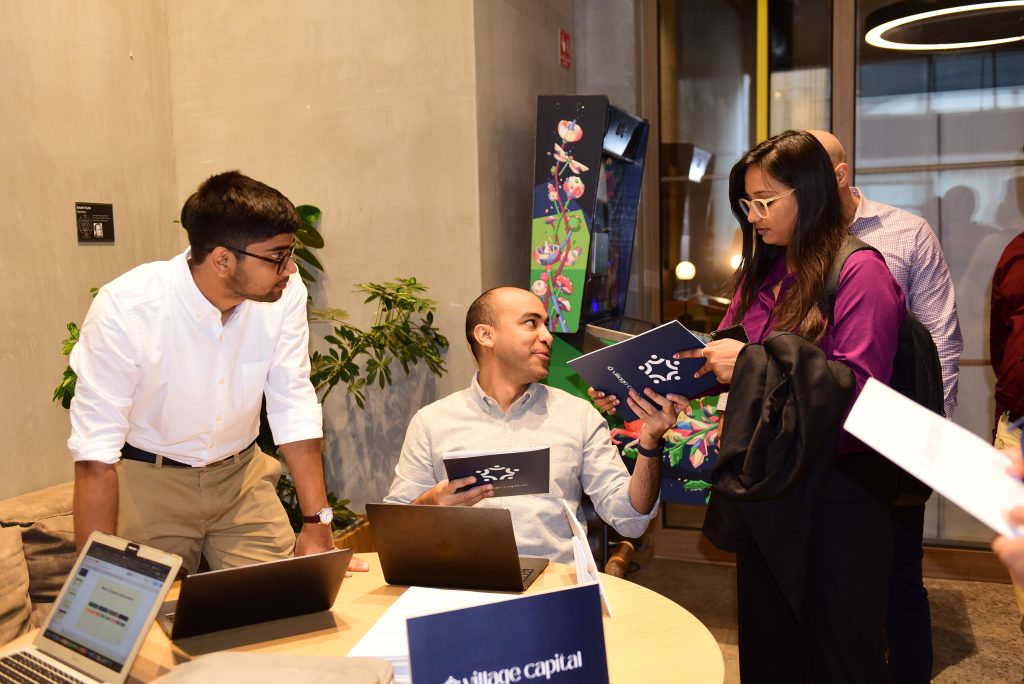
Image source: Village capital