 Here’s a good way to think about it. If you had a friend who you saw everyday, and today you asked them “what’s going on with you?”, they would tell you about the things that happened between yesterday and today – in chronological order. Now, if you had another friend you haven’t seen in a year, and you asked them the same question, they’re more likely to pick out the most noteworthy events that happened during that period. It’s impractical for them to tell you EVERYTHING that happened in a year. That’s likely to take more than a year, itself.
I think Andreessen-Horowitz partner, Benedict Evans puts it succinctly…
https://twitter.com/BenedictEvans/status/696395827527467008
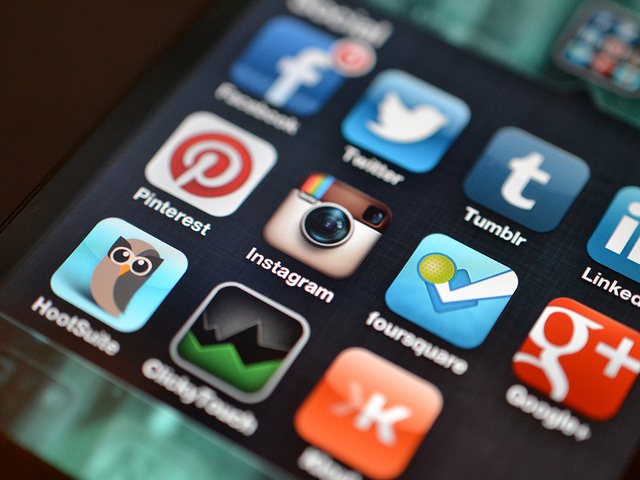
Instagram announced the move in a post on their Tumblr page, yesterday. “The order of photos and videos in your feed will be based on the likelihood you’ll be interested in the content, your relationship with the person posting, and the timeliness of the post”.
Most people miss out on 70 percent of our Instagram feed, because well, we aren’t on Instagram 24/7. Most of us. “What this is about is making sure that the 30 percent you see is the best 30 percent possible”, said Instagram CEO, Kevin Systrom. For now, only a few people have access to the feature – as usual – and their engagement with it will determine whether it gets a worldwide roll out.
Instagram’s parent company, Facebook is known for their algorithmic (read: curated) timeline, and Twitter joined the party recently, to improve the user experience and grow their user base (as they desperately need to).
Do you think this is a step in the right direction for IG? Join the conversation on Radar.
Here’s a good way to think about it. If you had a friend who you saw everyday, and today you asked them “what’s going on with you?”, they would tell you about the things that happened between yesterday and today – in chronological order. Now, if you had another friend you haven’t seen in a year, and you asked them the same question, they’re more likely to pick out the most noteworthy events that happened during that period. It’s impractical for them to tell you EVERYTHING that happened in a year. That’s likely to take more than a year, itself.
I think Andreessen-Horowitz partner, Benedict Evans puts it succinctly…
https://twitter.com/BenedictEvans/status/696395827527467008
Instagram announced the move in a post on their Tumblr page, yesterday. “The order of photos and videos in your feed will be based on the likelihood you’ll be interested in the content, your relationship with the person posting, and the timeliness of the post”.
Most people miss out on 70 percent of our Instagram feed, because well, we aren’t on Instagram 24/7. Most of us. “What this is about is making sure that the 30 percent you see is the best 30 percent possible”, said Instagram CEO, Kevin Systrom. For now, only a few people have access to the feature – as usual – and their engagement with it will determine whether it gets a worldwide roll out.
Instagram’s parent company, Facebook is known for their algorithmic (read: curated) timeline, and Twitter joined the party recently, to improve the user experience and grow their user base (as they desperately need to).
Do you think this is a step in the right direction for IG? Join the conversation on Radar.

Quick Links


Categories

Newsletter

Events
-
Share
Here’s a good way to think about it. If you had a friend who you saw everyday, and today you asked them “what’s going on with you?”, they would tell you about the things that happened between yesterday and today – in chronological order. Now, if you had another friend you haven’t seen in a year, and you asked them the same question, they’re more likely to pick out the most noteworthy events that happened during that period. It’s impractical for them to tell you EVERYTHING that happened in a year. That’s likely to take more than a year, itself.
I think Andreessen-Horowitz partner, Benedict Evans puts it succinctly…
https://twitter.com/BenedictEvans/status/696395827527467008
Instagram announced the move in a post on their Tumblr page, yesterday. “The order of photos and videos in your feed will be based on the likelihood you’ll be interested in the content, your relationship with the person posting, and the timeliness of the post”.
Most people miss out on 70 percent of our Instagram feed, because well, we aren’t on Instagram 24/7. Most of us. “What this is about is making sure that the 30 percent you see is the best 30 percent possible”, said Instagram CEO, Kevin Systrom. For now, only a few people have access to the feature – as usual – and their engagement with it will determine whether it gets a worldwide roll out.
Instagram’s parent company, Facebook is known for their algorithmic (read: curated) timeline, and Twitter joined the party recently, to improve the user experience and grow their user base (as they desperately need to).
Do you think this is a step in the right direction for IG? Join the conversation on Radar.
-
Read Next
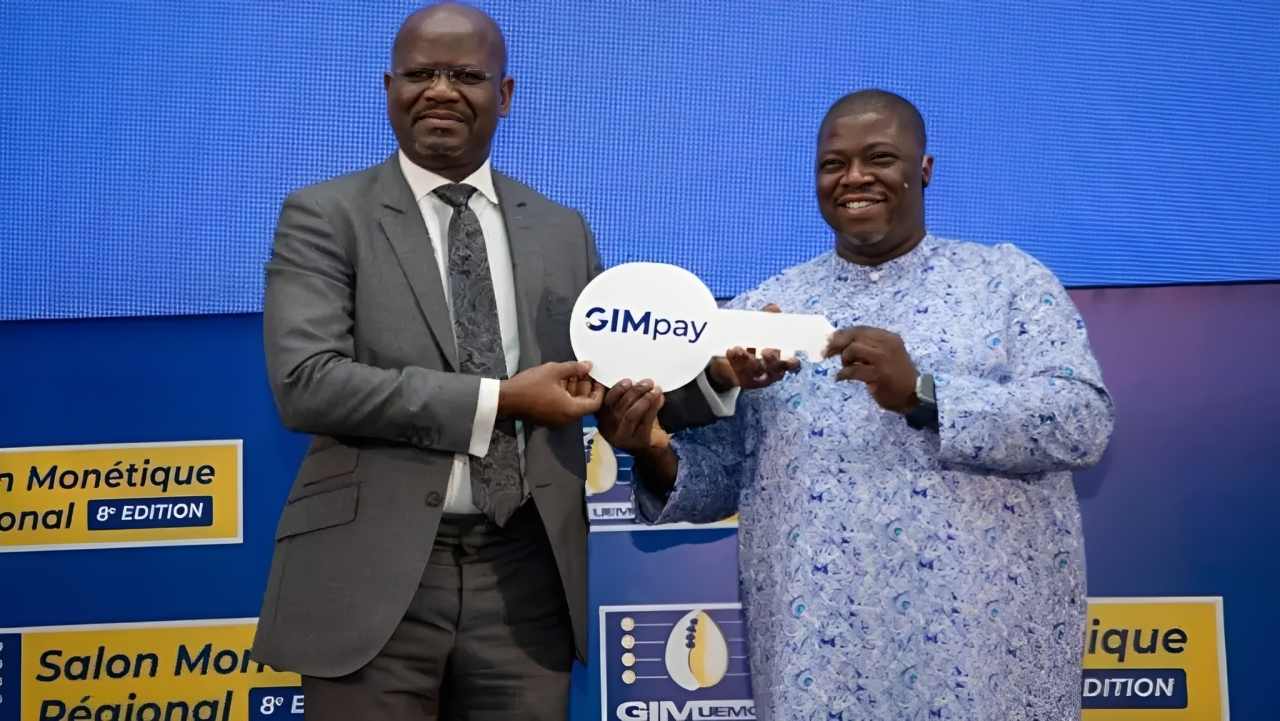
L-R: Habib Thiam, Secretary General of the BCEAO, and Minayegnan Coulibaly, former Director General of GIM-UEMOA, during the launch of GIMpay in 2024. Image Source: GIM-UEMOA via RFI
-
Read more
-
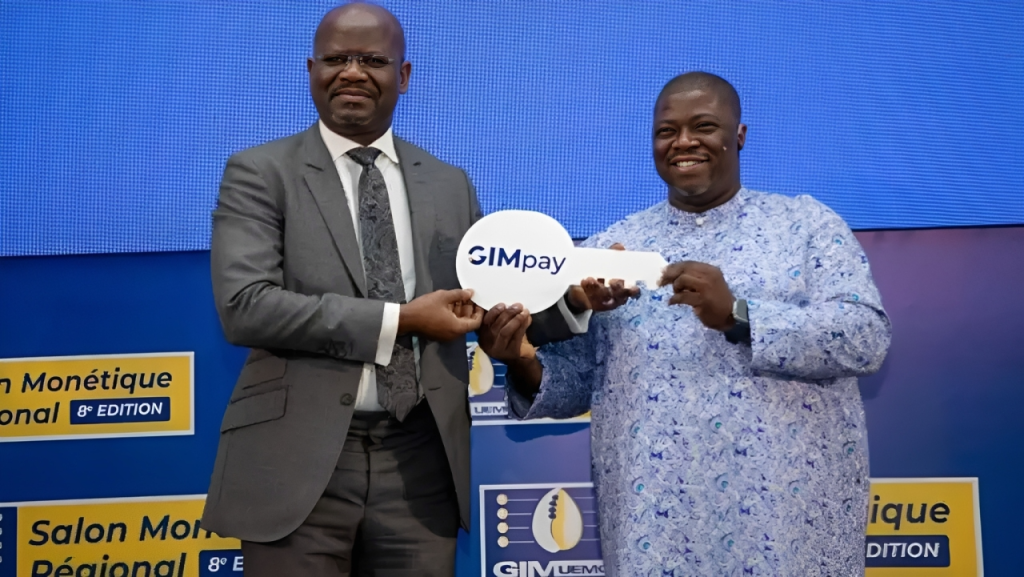
L-R: Habib Thiam, Secretary General of the BCEAO, and Minayegnan Coulibaly, former Director General of GIM-UEMOA, during the launch of GIMpay in 2024. Image Source: GIM-UEMOA via RFI -
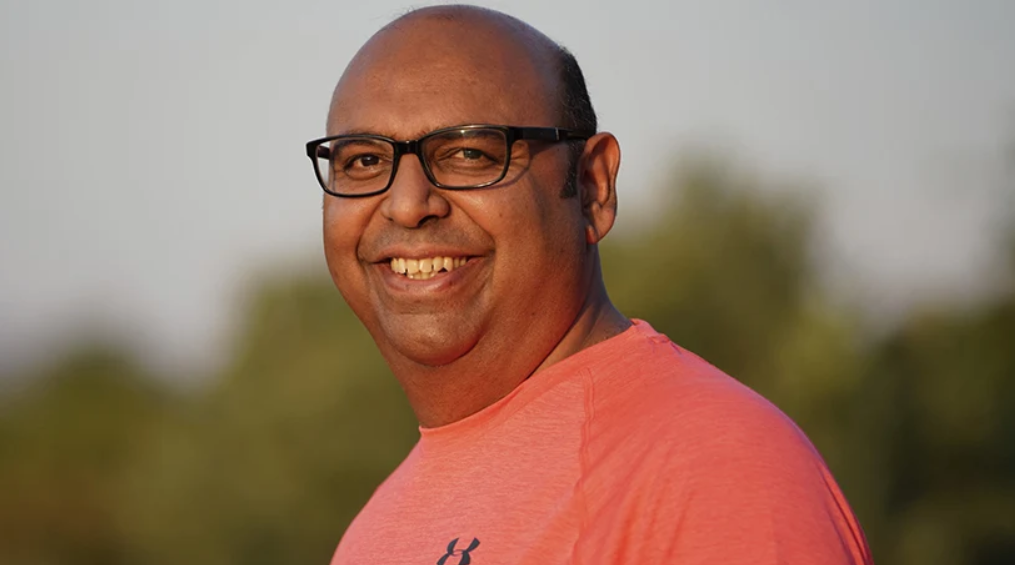
Bank Zero CEO Yatin Narsai says alliance banking is driving the bank’s next phase of growth. Image Source: MyBroadband -
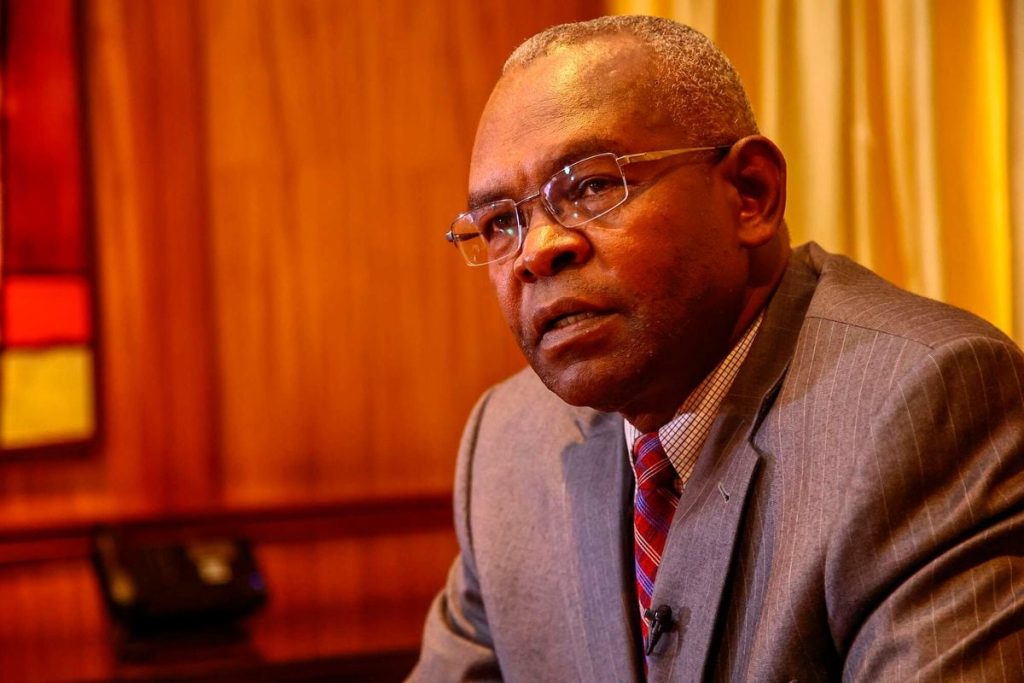
Central Bank of Kenya (CBK) governor Kamau Thugge. Image source: NMG -
Image source: International Finance Corporation -
Image source: Village capital