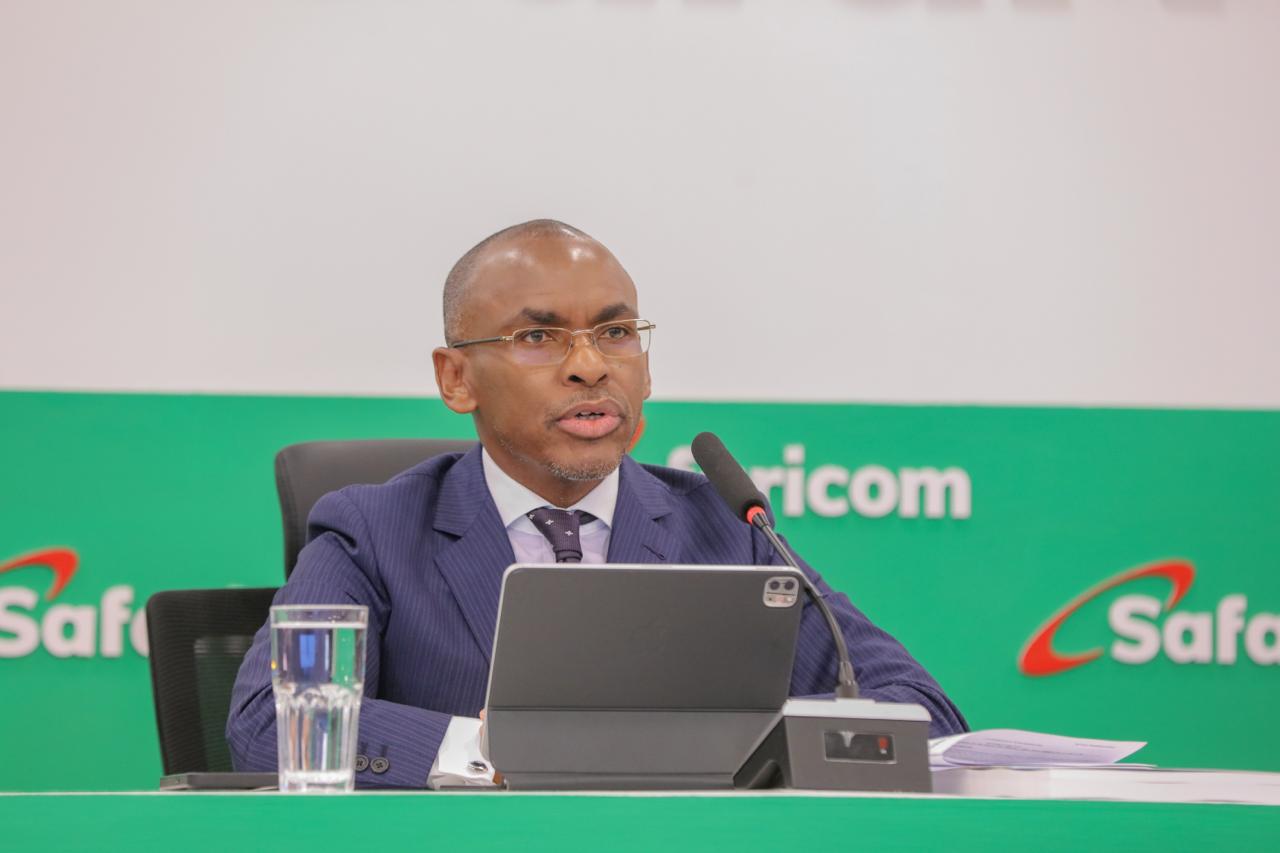
Safaricom, Kenya’s largest telco by subscribers and revenue, dismissed 113 employees in 2024 due to fraud-related offenses, up from 95 in 2023, suggesting a rise in internal misconduct.
The figure, revealed in Safaricom’s 2024 Sustainability Report released on Wednesday, highlights how fraud—from within and outside the company—continues to pose a significant threat to a business that handles billions of shillings daily through its M-Pesa mobile money platform.
Safaricom defines fraud as “any intentional deception for personal gain,” covering everything from policy breaches and identity theft to asset misuse, according to the report. Although the company has not disclosed the number of fraud cases it investigated in 2024, the rise in staff dismissals suggests a continued strain on its internal controls—especially as the schemes become more sophisticated and increasingly target telecom systems and customer data.
“Throughout FY25, we strengthened our fraud detection systems, reaffirmed our commitment to data protection, and expanded ethical training for staff and partners,” Safaricom said in the report. “Our approach centred on safeguarding customer trust, maintaining operational integrity, and upholding high standards of accountability in uncertain conditions.”
Breaches and schemes
Safaricom said in its report that it categorises fraud into policy breaches, identity theft, and asset misappropriation.
Policy breaches include offences such as bypassing company procedures, issuing unauthorised M-Pesa start keys, leaking confidential data, or accessing internal systems without permission. Identity theft, a growing concern in Kenya’s digital economy, covers SIM swaps, the use of fake identification documents, and collusion between employees and external actors.
Asset misappropriation refers to the misuse or loss of company resources, including inflated overtime claims, cash handling discrepancies, stock losses, data bundle manipulation, and irregular redemption of Bonga loyalty points.
According to the company, its fraud management system detects most fraud cases through customer complaints or proactive monitoring. The report stated that the operator conducts “in-depth fraud reviews on an annual basis” to assess the integrity of its key processes.
In 2024, the company “implemented automated detection systems to flag high-risk SIM swaps and suspicious account access” and “partnered with law enforcement to apprehend fraudulent agents.”
Sector-wide challenge
In a similar move, KCB Group dismissed 34 employees in 2024 due to fraud and negligence, following internal investigations into operational misconduct. In May, Equity Group sacked more than 1,200 staff on similar grounds, signalling a trend of companies tightening disciplinary measures as they deepen their digital operations and confront rising insider threats.
Fraud remains a significant challenge in Kenya’s financial sector, with insider collusion still a key factor in some reported digital fraud cases. As financial services continue to move online, the distinction between external cyberattacks and internal breaches is becoming increasingly blurred.
Mark your calendars! Moonshot by TechCabal is back in Lagos on October 15–16! Meet and learn from Africa’s top founders, creatives & tech leaders for 2 days of keynotes, mixers & future-forward ideas. Get your tickets now: moonshot.techcabal.com