Transporters in Nairobi, Kenya’s capital—including ride-hailing drivers, public transport operators, and long-distance truckers—began a strike on Monday over rising fuel prices and shortages reported in parts of the country, exposing East Africa’s largest economy to the shockwaves of the war in the Middle East.
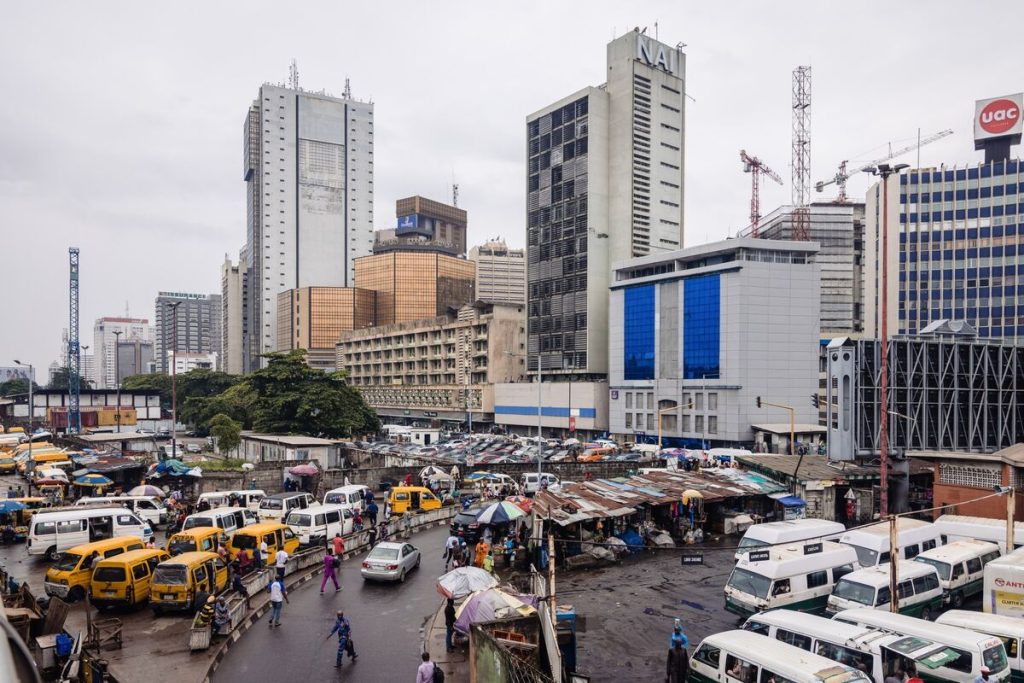
A spot check by TechCabal in over 10 bus stops across Nairobi found thousands of stranded commuters unable to get into the city for work as public transport operators kept vehicles off the roads.
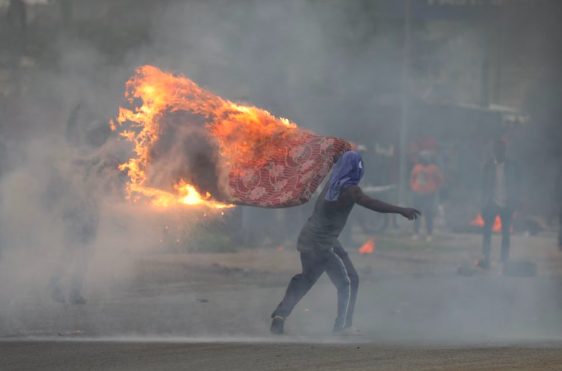
Several schools shut their gates for the day while some companies instructed staff to work from home, raising fears of what could become one of the country’s severe transport disruptions in years.
The strike follows last week’s decision by Kenya’s Energy and Petroleum Regulatory Authority (EPRA) to raise fuel prices by KES 16.65 ($0.13) per litre for petrol and KES 46.29 ($0.36) for diesel. Diesel, the main fuel used by heavy commercial vehicles and public transport operators, is now retailing at KES 242.92 ($1.88) per litre, while petrol prices have climbed to KES 214.25 ($1.66).
“The Alliance confirms that all transport subsectors, covering passenger transport, cargo and logistics, ride-hailing, motorcycle transport, tourism transport, driving schools, school buses, and private motorists have resolved to stand together in one of the largest coordinated industrial actions in Kenya’s history,” the Transport Sector Alliance said in a statement on Sunday evening.
Ride-hailing drivers also stayed off the roads on Monday, with many avoiding routes they have considered unsafe amid fears of unrest and fuel shortages. Others switched to off-app trips, taking advantage of the disruption to negotiate fares with stranded commuters.
The disruption has reignited concerns over fuel supply in a country that imports nearly all its petroleum products through a government-to-government arrangement with suppliers from the United Arab Emirates and Saudi Arabia.
The deal, introduced in 2023, was designed to shield Kenya from dollar shortages by allowing fuel imports on extended credit terms, easing pressure on the Kenyan shilling and helping stabilise pump prices.
But traders and motorists in parts of the country have reported sporadic shortages over the past month, raising fears that rising geopolitical tensions in the Middle East could further strain supplies and push prices even higher.
“The Alliance emphasises that Kenya should not continue paying some of the highest fuel prices in the region while countries such as Ethiopia, despite being landlocked, maintain significantly lower pump prices,” the alliance said.
There is no immediate clarity on how long the strike would last, with transport operators maintaining that they would only resume services once fuel prices are revised or government interventions are announced.