

Happy pre-TGIF! ☀️️️
Let’s dive in.

Ecommerce
Mr Price agrees to buy NKD Group for $572 million, expanding to Europe
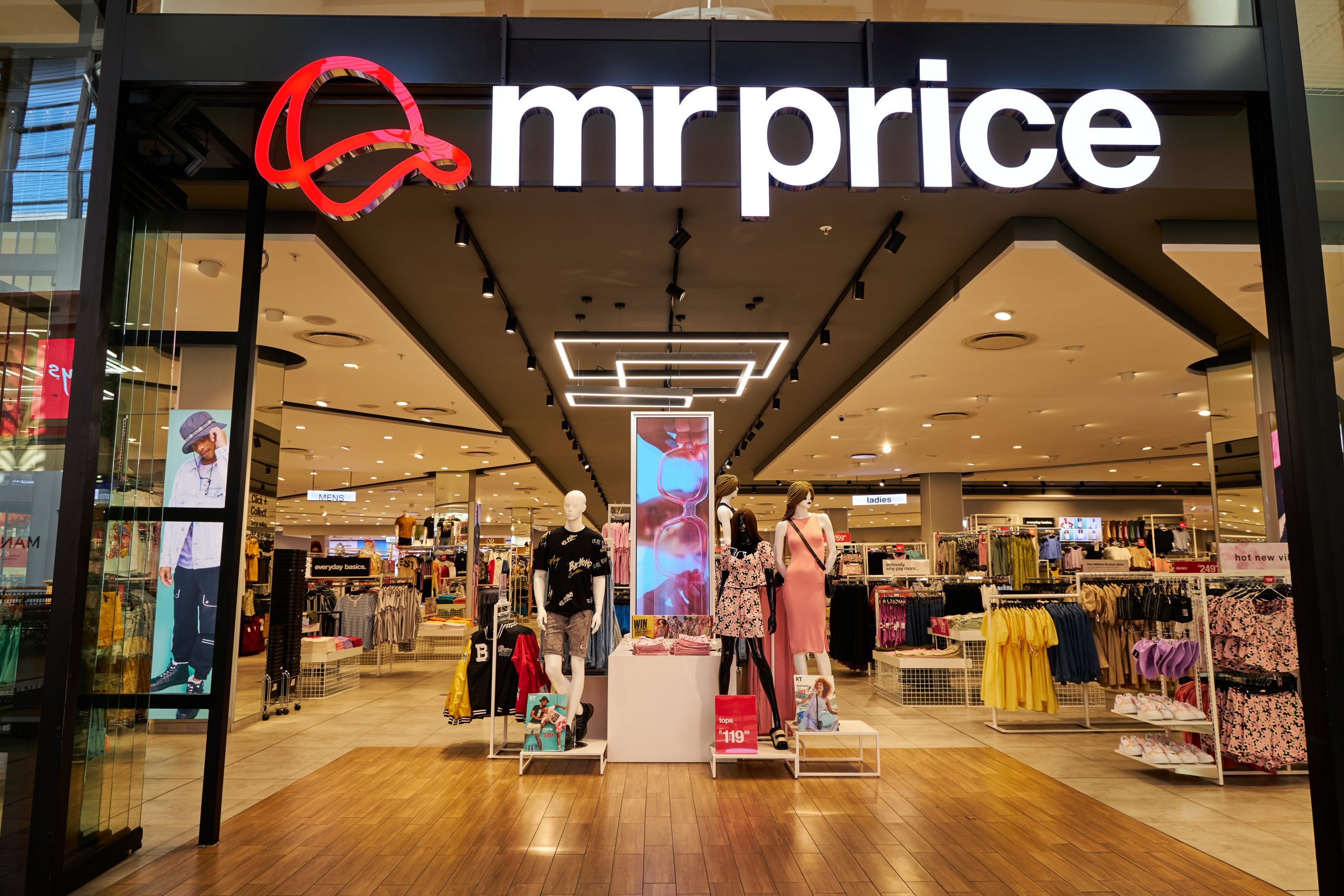
After launching a smartphone brand, Salt, Mr Price’s next growth experiment is taking it to Europe.
Mr Price, the South African retail company, is buying NKD Group, a German clothing and homewares retailer, which will instantly give the South African company an additional 2,100 stores across seven European countries. Per Business Tech, Mr Price is paying R9.7 billion ($572 million) to acquire 100% of the company.
Between the lines: Mr Price is financing the deal by buying the whole holding company that owns NKD (Pegasus Group Holding), rather than just picking up a few assets, and is also taking over the shareholder loans sitting in the structure. In numbers, the deal adds up to R9.7 billion ($572 million) in enterprise value, split between €415 million ($484 million) for the shares themselves and about €38.5 million ($45 million) for those shareholder loans, all of which will be settled in cash.
The money will come from a mix of Mr Price’s own cash and new borrowing, and if all the regulatory boxes get ticked, both companies expect the transaction to close around Q2 2026.
Is this Mr Price’s first time? Before now, Mr Price has kept its retail operations local, operating mainly in South Africa, while keeping its presence lean across the rest of the continent. This home-first approach has previously led the retail giant to scale back its international expansion attempts and exit markets like Nigeria and Australia. It wanted to compete with Spar, Checkers Sixty60, and Shoprite, another retail giant scaling back its foreign operations.
However, with a planned European entry, Mr Price seems to have regained its confidence to lead foreign operations at that scale. NKD Group made around €850 million ($994 million) in sales (2024) and serves millions of customers in the value retail segment. It is a mid-sized company, but not as large as competitors like Pepco and KIK, and foreign players like H&M.
Yet the deal gives Mr Price an instant plug-and-play presence in Germany, Austria, Italy, Croatia, Slovenia, the Czech Republic, and Poland. It lifts its store count past 5,000 as it hunts for new growth verticals. Pepkor, another South African retailer, is chasing growth through finance. South African retailers are now split between staying home and spreading wide, or going abroad. Mr Price is betting it is finally ready to pull the next lever in European value retail.


Powering African Businesses Through the Busiest Season of the Year.
Your peak season needs fast and reliable payments. Collect, pay, and settle across Africa in the right currencies without delays. Create your Fincra account in 3 minutes.
Companies
Safaricom raises $154 million
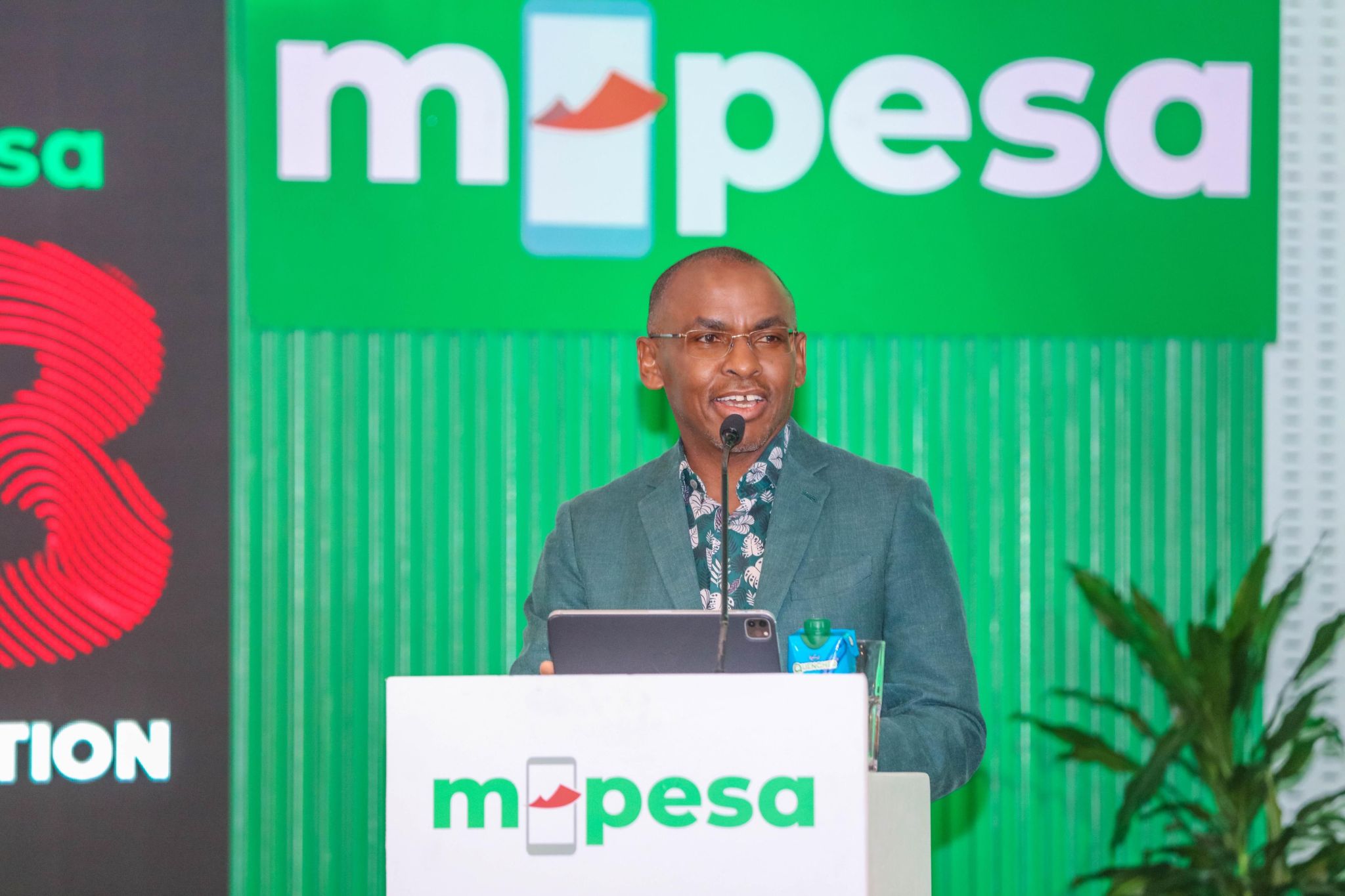
Safaricom’s first outing under its KES 40 billion ($154 million) medium-term note programme turned into a market rush.
Here’s what happened: The telecom operator went to the debt market looking for KES 15 billion ($116 million) in the first tranche (like an initial portion) of its KES 40 billion ($309.5 million) medium-term note (MTN) programme.
If you don’t know what the MTN programme is, it is Safaricom’s long-term borrowing plan, approved in November, giving the company room to raise up to KES 40 billion ($309.5 million) over time. The notes from this first tranche will be listed on the Nairobi Stock Exchange (NSE), giving investors a new tradable instrument and providing Safaricom with fresh capital to support its expansion and infrastructure needs.
As we were saying: Investors flooded the door when Safaricom entered the debt market. Bids hit KES 41.4 billion ($320 million), pushing the subscription rate to 275.7%. Safaricom had to trigger its KES 5 billion ($39 million) greenshoe option—like a safety valve kept aside for situations like this—just to absorb part of the excess. That level of appetite says that local investors still see Safaricom as one of the safest places to put their money.
But while Safaricom is raising money, Kenya’s government is busy reshaping the company itself. Even as the Treasury prepares to sell a 15% stake to Vodacom, it’s pressing ahead with a plan to split Safaricom into three standalone units: telecoms, M-PESA/fintech, and a tower-infrastructure company. Its intention is to unlock exponential value across different parts of the business.
Enjoy smooth payments while you’re home this Detty December

Coming home for Detty December? Enjoy smooth payments every day with your Paga US account. Send money to any bank instantly. Don’t miss out, get started now.
Fintech
Remittance fintech LemFi secures US licences
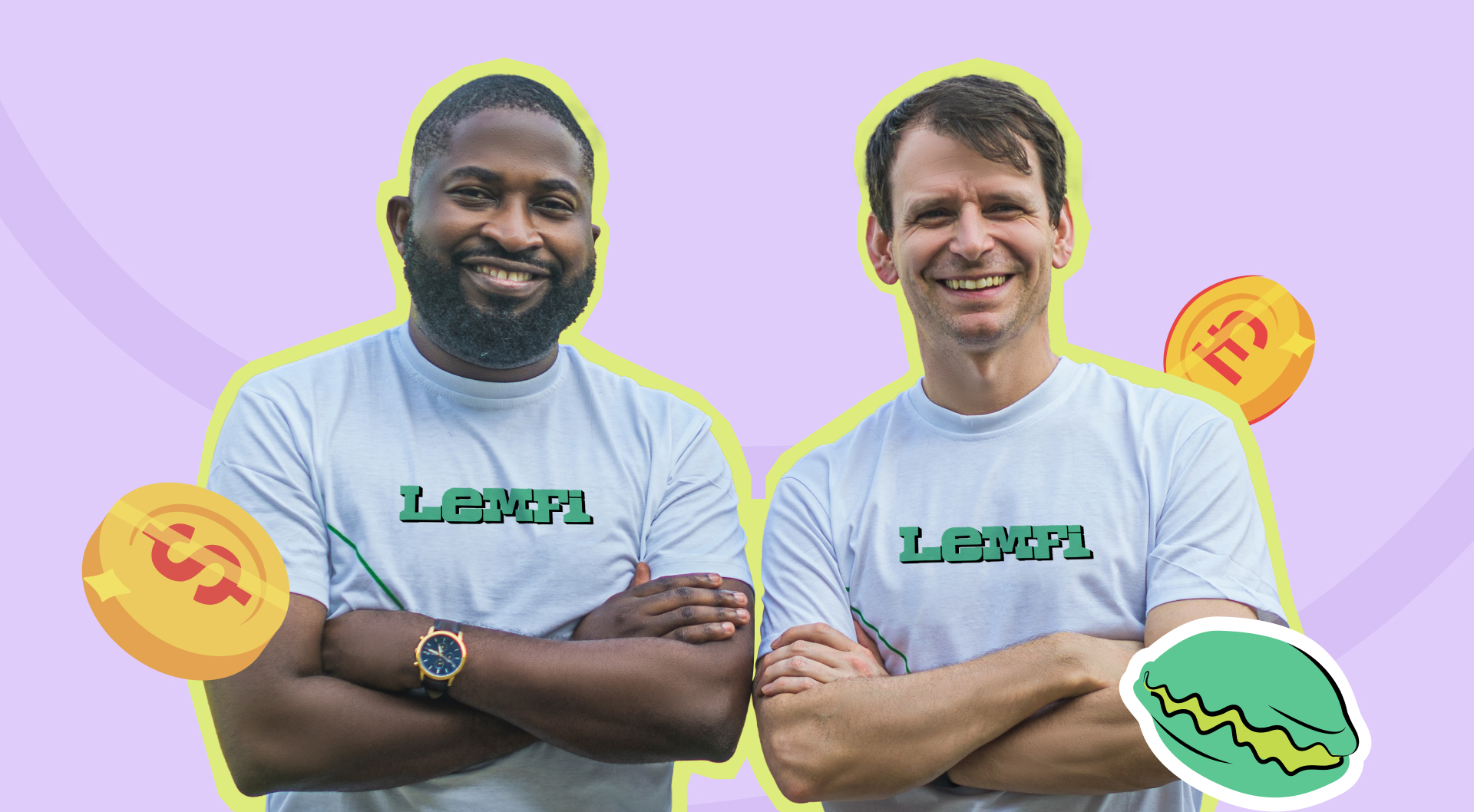
The hyper rate at which LemFi, the UK-headquartered Nigerian remittance fintech, is expanding this year, acquiring other businesses and securing licences, the optics are starting to look like these guys are trying not to lose a bet.
The startup has secured 14 fresh Money Transmitter Licences (MTL) across the US, putting it in the same compliance league as the big old fintechs that used to give immigrant-focused startups the side eye.
Between the lines: The licences cover states like Illinois, Michigan, Oregon, and Arizona. They let LemFi move customer funds directly under state supervision, which means fewer intermediaries, faster transfers, and far less mystery about where your dollars go between send and receive. For a startup selling trust to communities that have been burned by shady operators, this is a major win.
State of play: It also cements LemFi’s strategy to go head first into the world’s biggest remittance market. The US sent about $93 billion abroad in 2023 and is home to more than 50 million immigrants, many of whom still rely on clunky, expensive money transfer options. LemFi thinks its mix of regulated remittances, alternative credit scoring, and products like Send Now Pay Later (SNPL) can give them stickiness that incumbents struggle to maintain.
The stack of licences now sits alongside approvals in the UK, Ireland, and Canada, plus partnerships from Nepal, Pakistan, and the Philippines.
The big idea: LemFi’s strategy seems to revolve around making compliance a moat and expanding its surface area to attract unsatisfied immigrants in developed economies. Serve immigrants better than anyone else. Grow fast enough that competitors cannot keep up. So far, it seems to be working.
Stay up to date with Paystack news!

Subscribe to Paystack for a curated dose of product updates, insights, event invites and more. Subscribe here →.
Cryptocurrency
Kenyan crypto firms form new industry lobby as regulatory oversight advances

After signing a law that legitimises the use of virtual assets in October, Kenya’s crypto industry is finally getting its act together, or at least trying to look like it is. More than 50 local and international crypto firms have banded together to form the Virtual Asset Association of Kenya (VAAK), a new lobby that wants a seat at the table as the Treasury writes the rulebook for licencing crypto companies under the new Virtual Asset Service Providers (VASP) Act.
Between the lines: This is Kenya’s first real attempt to drag a fast-growing but chaotic market into a proper regulatory perimeter. Under the law, the Central Bank of Kenya (CBK) will supervise payment-focused players like stablecoin dealers and custodians, while the Capital Markets Authority (CMA) will oversee trading platforms, token issuers, and the wider virtual asset crowd.
Firms will need a physical office, real human directors, segregated customer funds, and stricter anti-money laundering (AML) and transaction monitoring rules. Translation: no more hiding behind PO boxes in the Seychelles.
The timing is not an accident. Kenya has been trying to clean up its virtual asset mess and clamp down on outfits using crypto rails for fraud and shady transfers. The government wants clearer oversight, stronger compliance, and fewer embarrassing headlines, especially with the Financial Action Task Force (FATF’s) Recommendation 15 hanging over its head. Getting off the greylist requires proving you know who is moving virtual assets through your system and why.
The big picture: VAAK is hoping to influence the final rules, from custody standards to how stablecoins are classified. For once, the industry seems aligned on one thing. If Kenya is ever going to become the Silicon Savannah for compliant crypto, it needs both order and credibility.
CRYPTO TRACKER
The World Wide Web3
Source:

|
Coin Name |
Current Value |
Day |
Month |
|---|---|---|---|
 Bitcoin Bitcoin |
$90,255 |
– 2.55% |
– 14.26% |
| Ether |
$3,210 |
– 3.24% |
– 9.51% |
| Manyu |
$0.071357 |
– 9.55% |
– 37.22% |
| Solana |
$130.94 |
– 5.27% |
– 20.83% |
* Data as of 06.50 AM WAT, December 11, 2025.
Events
- Every startup has a story worth hearing. My Startup in 60 Seconds by TechCabal offers founders a one-minute spotlight to share their vision, challenges, and achievements. Beyond visibility, it connects you to investors, customers, and Africa’s tech ecosystem. Apply to be featured or explore other TechCabal advertorial opportunities. This is a paid opportunity.
- ProductDive is set to host The DIVE 2025 Conference on December 10, 2025, at the Landmark Event Centre, VI, Lagos, with virtual access for participants across Africa. Under the theme “Winning with Product Teams for Profit,” the conference seeks to transform how tech teams think about value creation, collaboration, and execution.

Written by: Emmanuel Nwosu and Opeyemi Kareem
Edited by: Emmanuel Nwosu & Ganiu Oloruntade
Want more of TechCabal?
Sign up for our insightful newsletters on the business and economy of tech in Africa.
- The Next Wave: futuristic analysis of the business of tech in Africa.
- TC Scoops: breaking news from TechCabal
- Francophone Weekly by TechCabal: insider insights and analysis of Francophone’s tech ecosystem
P:S If you’re often missing TC Daily in your inbox, check your Promotions folder and move any edition of TC Daily from “Promotions” to your “Main” or “Primary” folder and TC Daily will always come to you.