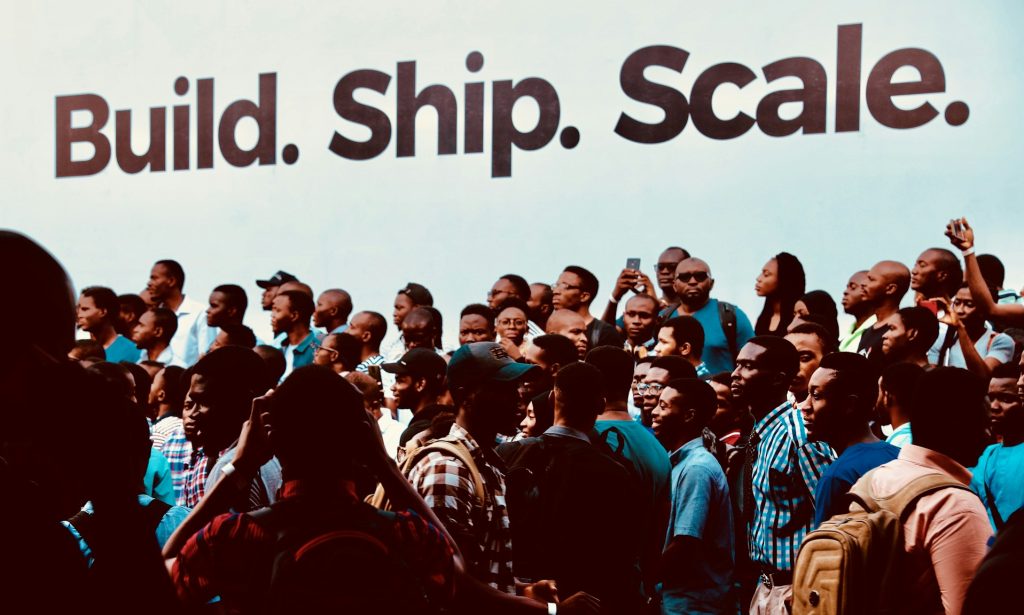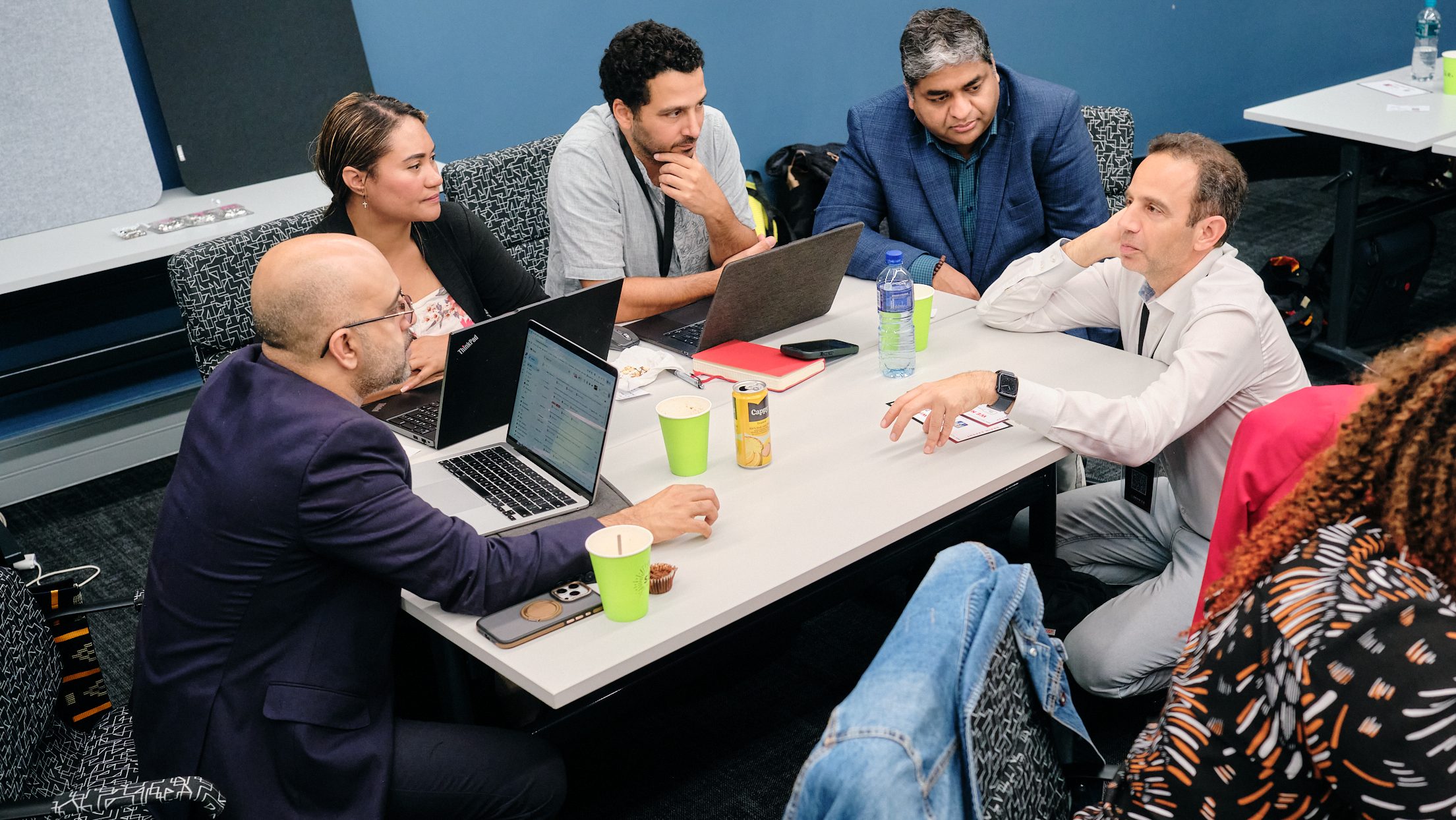
Africa’s deeptech scene in health, climate, and manufacturing pulses with groundbreaking innovation, think AI-driven diagnostics tackling disease burdens or carbon-capture tech addressing industrial emissions. Yet, headlines often lament a “lack of innovation” or funding droughts. That’s a myth. The real hurdle? Structural investment readiness.
This gap is clear in the difference between fresh talent from Universities like Stellenbosch and the ready systems needed to grow big businesses. Labs make a lot of prototypes. However, broken rules, unstable power supplies and weak local suppliers slow down sales. Investors watch closely and feel the energy. Fixing this creates big growth opportunities and has great potential to turn the continent’s deeptech energy into a global superpower.
Unlike consumer apps that sprint to market, deeptech demands patient capital for long research and development cycles, regulatory mazes, and deployment risks. Investors are not swayed by flashy demos alone,” They closely examine governance, data quality, timelines, and sector expertise. Programs like BRAIN are rewriting this story, methodically bridging labs to ledgers.
This feature draws from insights by top investors Khaled Ben Jilani, a Senior Partner at AfricInvest; Jacques Graßmann, Senior Investment Analyst at DEG Impact; Agnes Laurent-Moreau, senior advisor at Bpifrance, and Houda Ghozzi, CEO of Open Startup.
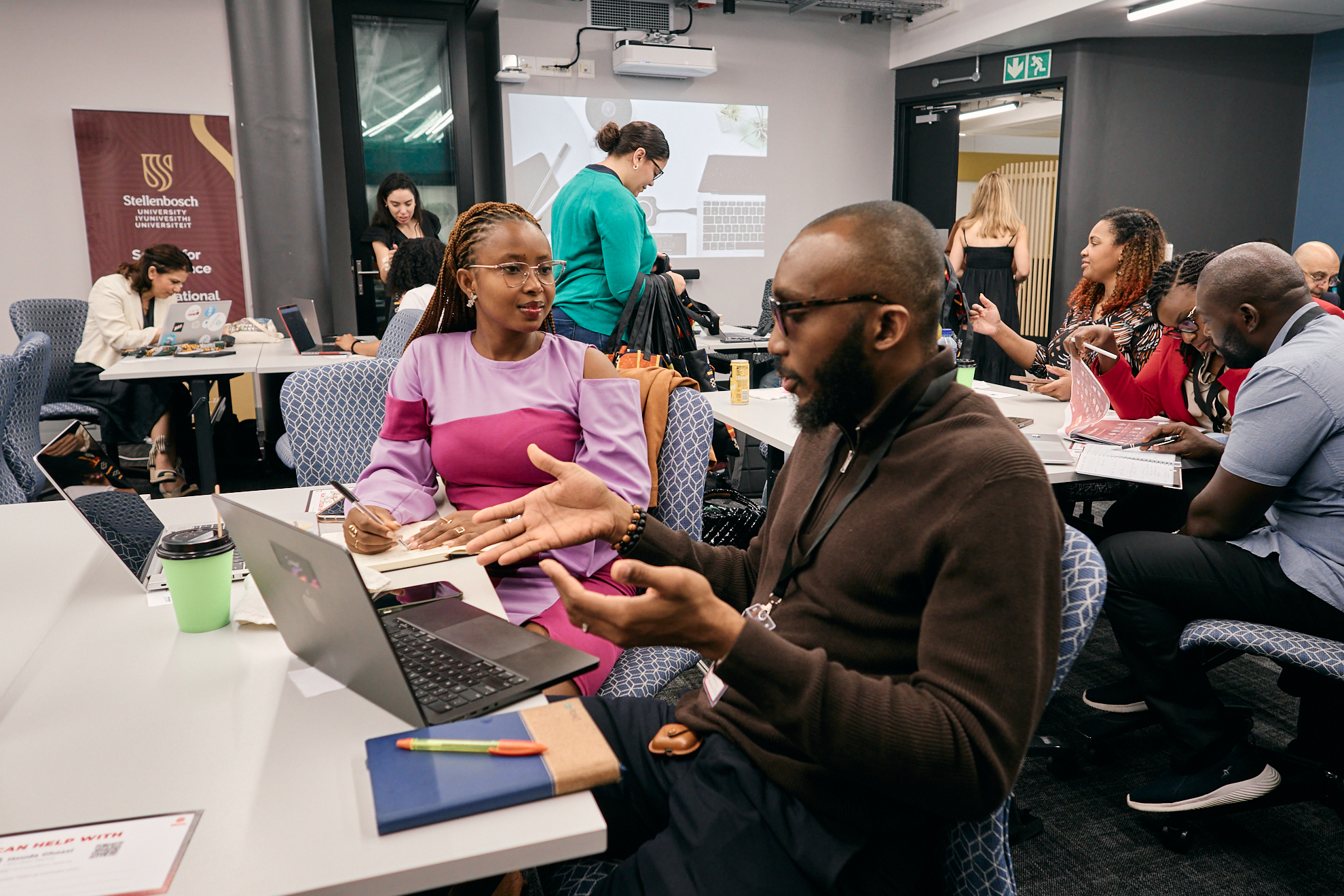
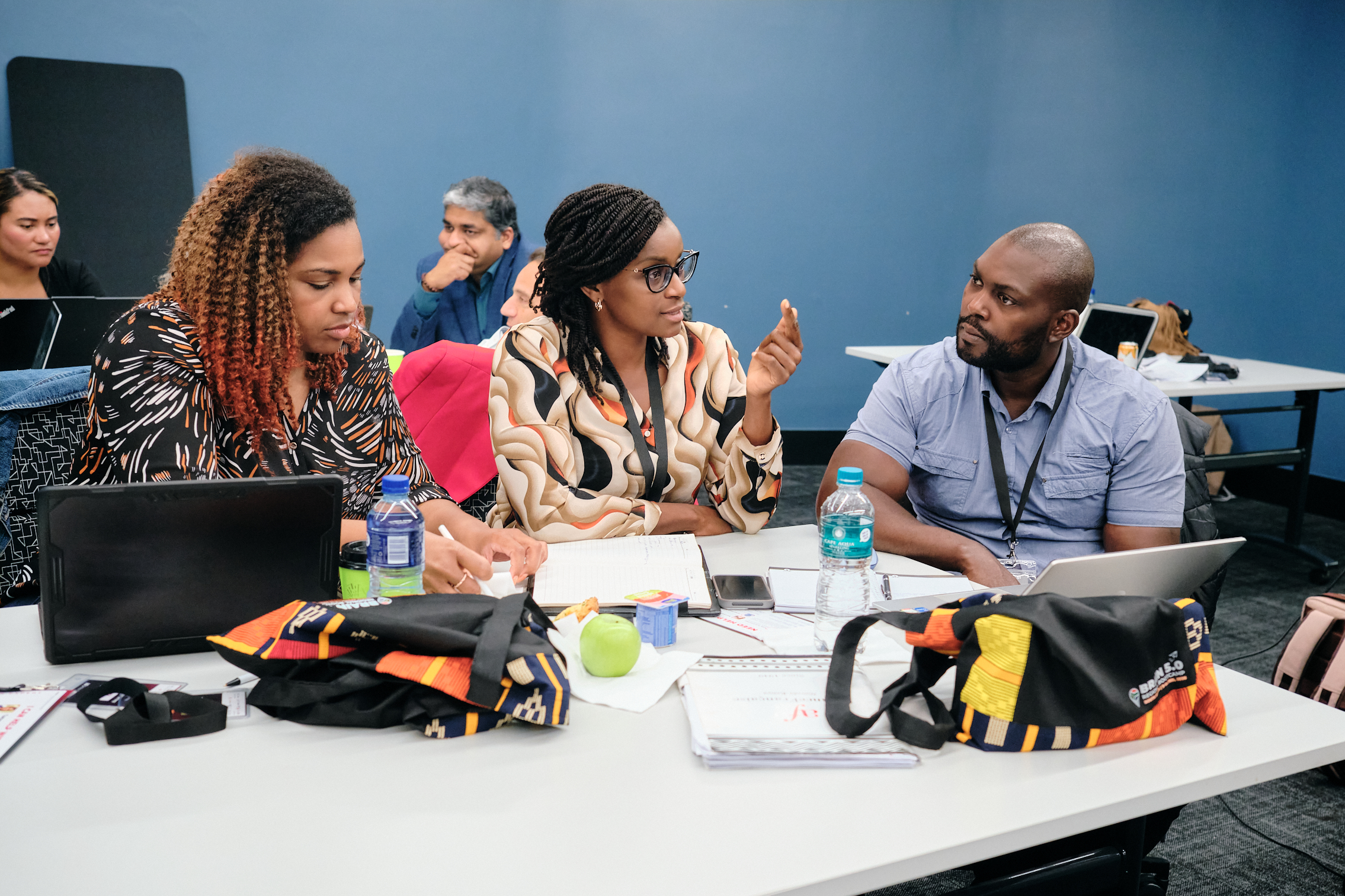
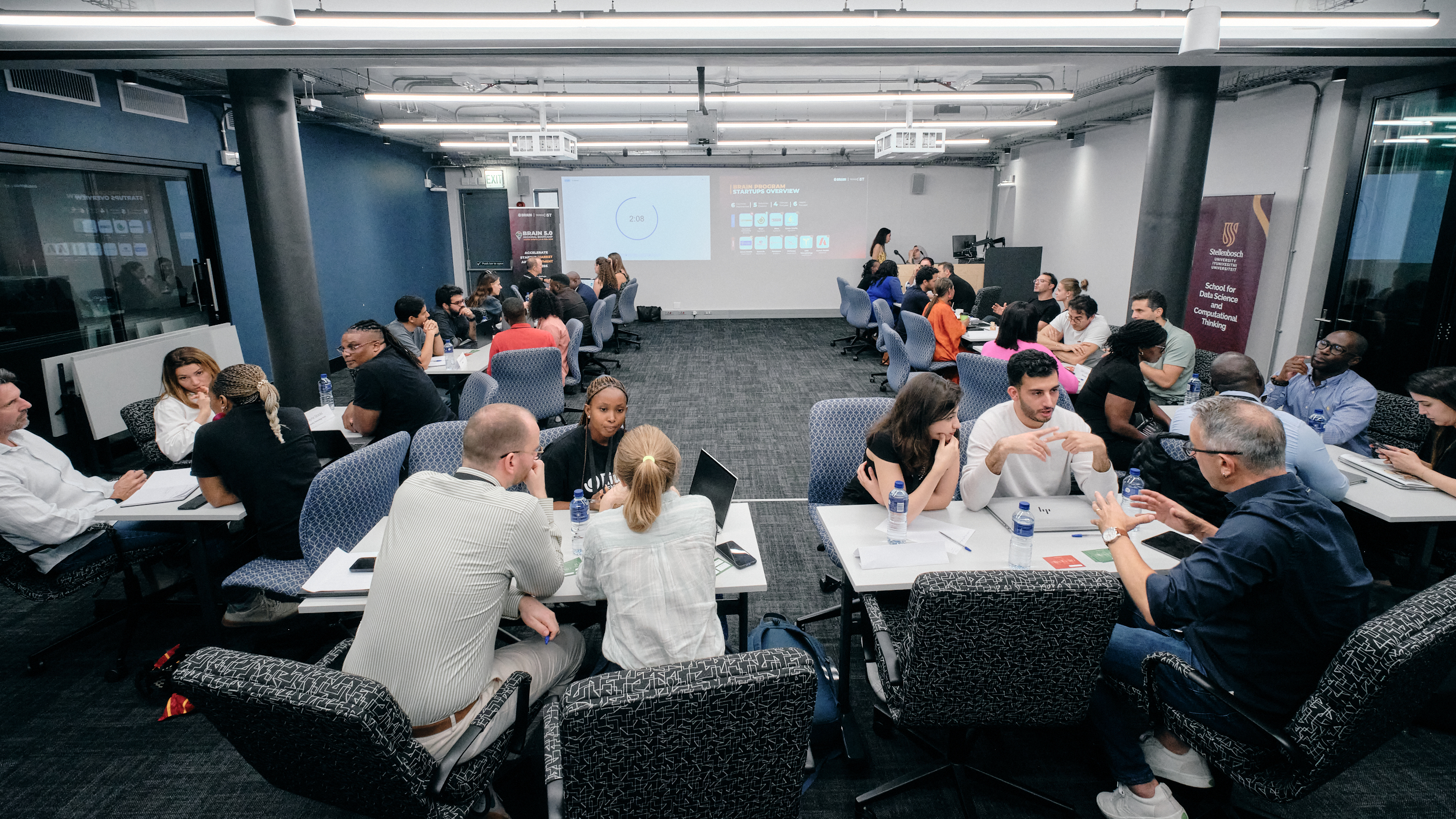
Speaking at the BRAIN’s regional bootcamp held at the School of Data Science and Computational Thinking in Stellenbosch University, on Wednesday, February 13, they revealed what truly makes African deeptech investable, and why building readiness early is non-negotiable.
DeepTech’s unique investment approach
Deeptech diverges sharply from Africa’s booming fintech or e-commerce plays. Conventional tech scales fast on user growth and viral metrics. Deeptech? It’s capital-intensive science translated to products, often in health (biotech therapies) or climate (sustainable agritech).
Yet this pivot from quick wins to foundational innovation unlock Africa’s untapped potential in solving the continents’ specific challenges like precision medicine for tropical diseases or resilient farming amid climate volatility. While fintech rides network effects, deeptech builds enduring moats through proprietary IP and science breakthroughs, positioning Africa not just as a consumer market but as a global exporter of cutting edge solutions.
This shift demands more research and development investment, scarce local talent and regulatory patience – think years of lab trials before revenue. Africa’s deeptech grapples with brain drain to Silicon Valley and patchy infrastructure, yet outliers like Tunisia’s Instadeep (AI for drug discovery) show promise. Success lies in bridging these gaps through targeted VCs and policy tweaks.
Patient capital rules in deeptech, funds that endure 7-10 year horizons, not 18-month flips. In Africa, this intensifies. Fragmented markets, infrastructure gaps, and talent pools demand hyper-local adaptation, yet competition is borderless.
Khaled said, “Deeptech in health and climate thrives on patient capital built for extended lifecycles – 2-4 years longer than most startups, empowering sciencepreneurs to innovate relentlessly. In Africa, scale means global competition, crafting world-class products rivalling the UK, US, and China benchmarks, localised for local impact. This isn’t optional, it’s essential, igniting quality jobs, pioneering research, virtuous ecosystems, and transformative societal benefits on a global stage.”
In Africa, climate deeptech faces a ‘valley of death’ longer than elsewhere, driven by extended R&D cycles and fragmented capital. Agnes Laurent-Moreau, senior advisor at Bpifrance specialist in innovation issues, said: “In this challenging environment, only the projects that can demonstrate concrete utility and real market impact at a very early stage survive. The constraint is not only financial: it forces technologies to be anchored immediately in measurable use cases and solid business models, while other ecosystems can afford to wait”
This pressure forces a unique brand of excellence, requiring African innovations to meet Silicon Valley precision while remaining rugged enough to navigate local infrastructure – from Nigerian power grids to complex Kenyan supply chains. For the savvy investor, the ultimate benchmark is no longer just the science but the ability of the technology to deploy at scale without imploding.
Top readiness gaps investors spot first
Investors sift through hundreds of pitches yearly. Beyond charisma, they demand proof.
First, articulation fails. Founders dazzle with jargon but falter on simple value props. Second, data rooms crumble, missing IP filings, financial models, or third-party validations. Third, go-to-market (GTM) strategies blur – who’s the customer? How’s the distribution? governance gaps emerge too, weak boards, equity misalignments, or teams lacking commercial chops. Timelines mismatch, sciencepreneurs underestimate regulatory drags.
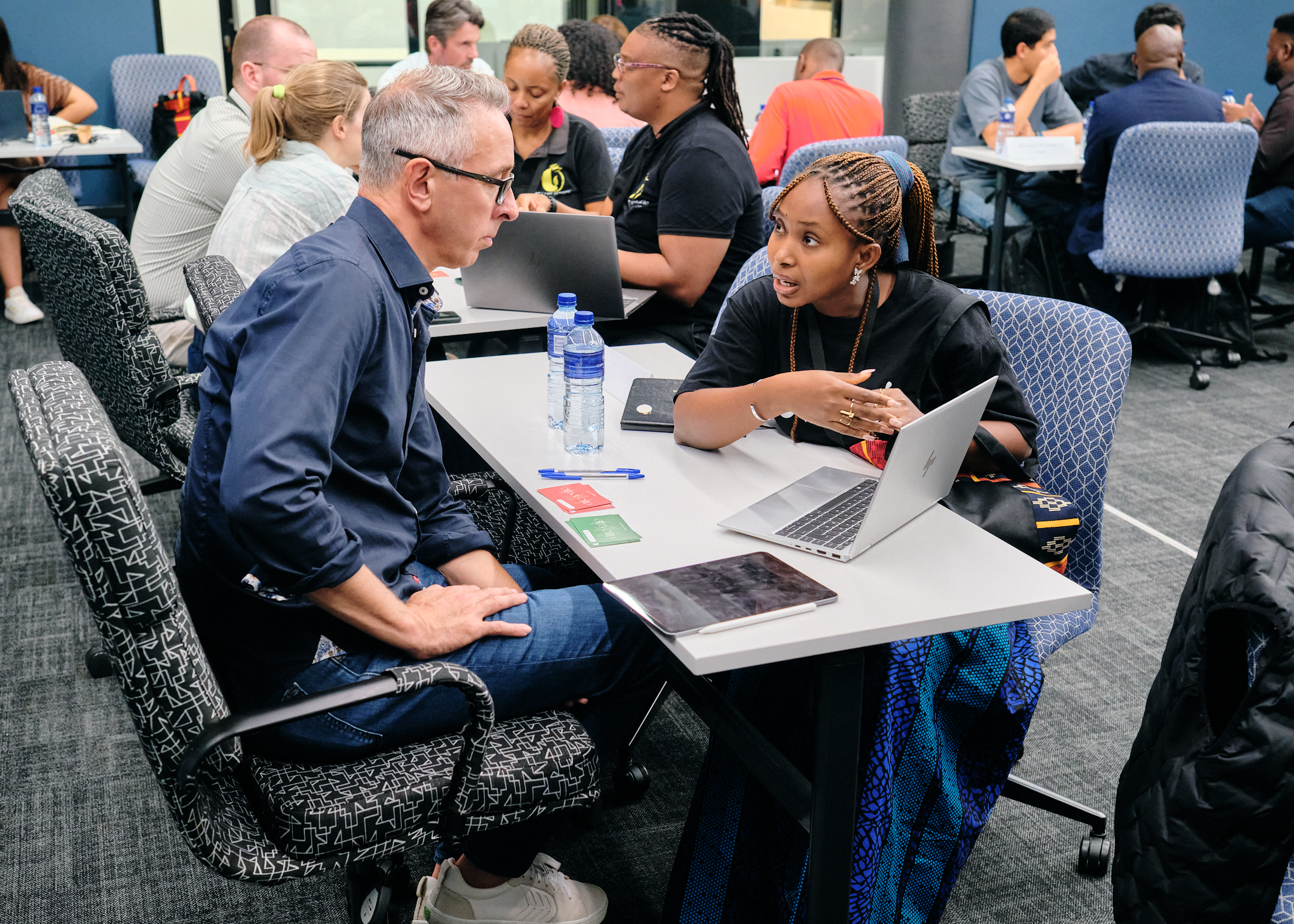
Jacques Graßmann pinpoints the crux in very early-stage deeptech startups: “The top readiness gap in early stage? Transitioning scientific breakthroughs into marketable products with crystal-clear use cases, backed by hard numbers – entrepreneurs must articulate simply and shine in pitches.”
Patient-capital readiness hinges on bridging lab results to profit, validating needs, preparing finances and decks, then engaging investors. In Africa, startups tackling structural problems scale continent-wide via our 1.4 billion population, blending scientific rigour with entrepreneurial speed.
Health and climate amplify these. A biotech needs clinical trial data while climate tech requires lifecycle emissions audits. Africa’s 1.4 billion people offer massive scale, think pan-African rollouts -but structural woes such as policy silos limit transferability without localisation.
Building readiness early: The health and climate imperative
Deeptech investability isn’t a pre-funding sprint; it’s a multi-year build. Founders must embed investor lenses from the prototype stage: robust data rooms, milestone roadmaps, and sector-risk modelling. Health demands ethical compliance and trial scalability, climate needs carbon-credit viability and adaptation proofs.
In Africa, regulated sectors heighten the stakes. A South African medtech faces South African Health Regulatory Authority scrutiny, and a Ghanaian cleantech battles import duties. Early gaps compound, poor GTM strands IP in labs, eroding trust.
Structured programs flip this. BRAIN exemplifies a 12-month gauntlet obsessing over markets, not just tech.
“At BRAIN, we intentionally sculpt investment readiness over 12 focused months, channelling a strong At BRAIN, we intentionally build investment readiness over 12 focused months, with a strong emphasis on market validation, refining distribution strategies, and identifying the right investors from day one, often enabling startups to achieve meaningful breakthroughs by month 18,” said Houda Ghozzi, CEO at Open Startup.
BRAIN is scouting startups with real traction, to build new partnerships through our program while creating quality jobs that uplift communities – marking the rise of African deeptech -which is relentless, transformative and deliberate.
The results are evident: Alumni secure funding, partnerships, and jobs. OriGenes navigated biotech regs; Mycelium scaled mycelium-based materials. Bootcamps yield self-funding grit – six startups bootstrapped attendance, signalling maturity.
BRAIN: Africa’s deeptech readiness powerhouse
Programs dedicated to deeptech founders remain relatively rare across the continent. BRAIN was designed to address a gap investors often highlight: the distance between promising science and companies that are truly market- and investment-ready. However, we are also seeing a new wave of initiatives emerging across Africa from programs and platforms like the MIT Kuo Sharper Center for Prosperity and Entrepreneurship, Africa DeepTech Community, UM6P initiatives, Savant and many others, reflecting a growing recognition that science-based ventures require more tailored support structures.
The program pushes founders beyond the lab. Over twelve months, teams confront market realities early, refining business models, sharpening go-to-market strategies and translating complex technologies into clear commercial propositions. Founders often describe the experience as both demanding and unusually tailored. The process accelerates the founder as much as the startup itself. Experienced operators, investors and sector specialists challenge assumptions, while the program team stays closely engaged with founders throughout the journey. The combination of pressure and care (pushing teams while genuinely caring) is often cited as one of the program’s defining characteristics.
Equally important is exposure. Through ecosystem immersions, international networks and direct engagement with investors and industry partners, founders are encouraged to step outside labs and rethink their strategies.
Outcomes? Funded alumni, corporate pilots, and job creation. By month 18, startups pitch with data rooms ready and teams battle-tested. For investors, the signal is clear: traction metrics, defensible IP, scalable models.
Policymakers take note, fund such platforms to multiply impact. DFIs like DEG see returns not only in capital deployment, but in high-value jobs and stronger innovation ecosystems.
A call to structural section
African deeptech holds real promise: from climate-resilient agriculture to affordable medical diagnostics. IWhat often falls short is readiness. Investors look for structure: timelines that account for 2-4 year lags, GTM sharpened by obsession, data proving scalability.
Khaled, Jacques, and Houda share a clear message: Build early, benchmark globally, articulate boldly. Platforms like BRAIN prove it works – turning sciencepreneurs into fundable forces.
The BRAIN ecosystem proves that entrepreneurs thrive when they move fast, speak clearly and receive expert guidance – transforming their ideas into investor-ready ventures.
Africa’s deeptech renaissance awaits those who invest in readiness, not just ideas.
For more information about the BRAIN DeepTech program and its portfolio of startups, readers can explore the program page at Open Startup: https://open-startup.org/