
Good morning.☀️
Welcome to another week. It’s the end of Q1 2026. How has the quarter been for you?
A few exciting things happened in African tech: we witnessed the “Terra moment,” a major signal that hardware tech can truly win in Africa. Fintechs are increasingly layering credit operations, data pipelines, and banking-grade services onto their existing infrastructure. Is this the future of digital banking in Africa?
In the emerging crypto sector, more African regulators, including those in Rwanda, Ghana, and Kenya, are taking concrete steps to regulate digital assets. Whatever the motive, operators are applauding the move first and debating the details of the rules later.
It was also a quarter in which we saw a major re-entry by global payments fintech PayPal, to mixed reactions. The company also launched its stablecoin, PayPal USD (PYUSD), in 70 countries for last-mile use cases. You don’t need a crystal ball to see how easily this could power cross-border trade for Africans using PayPal.
It’s been an interesting quarter. What’s your biggest prediction for Q2? Tap the “Reply” button and write back to us.
Let’s get to it.

Layoffs
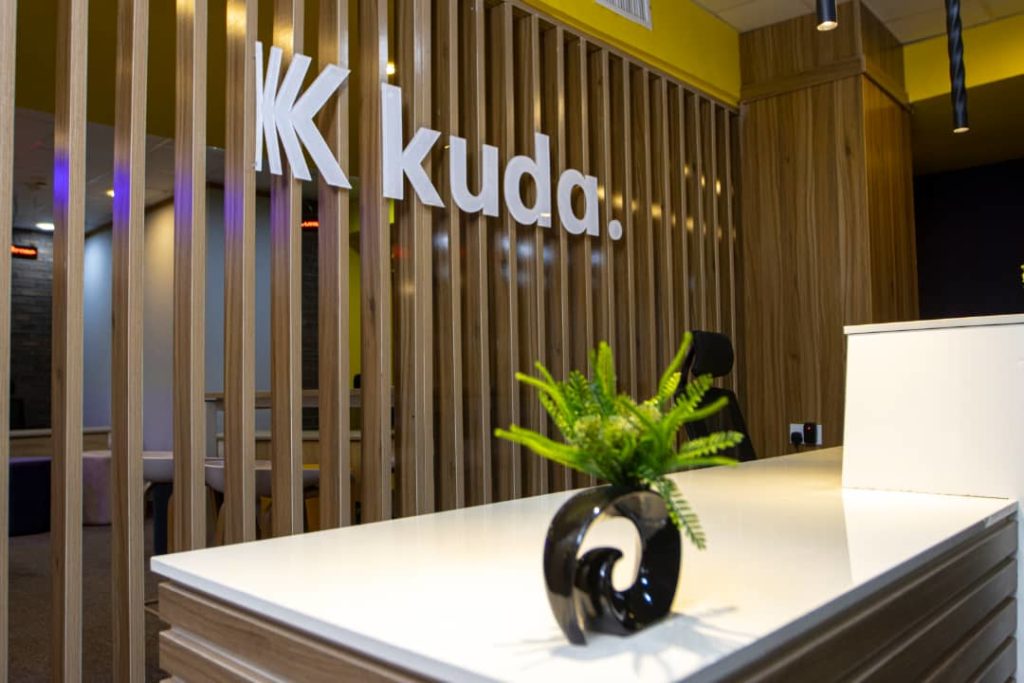
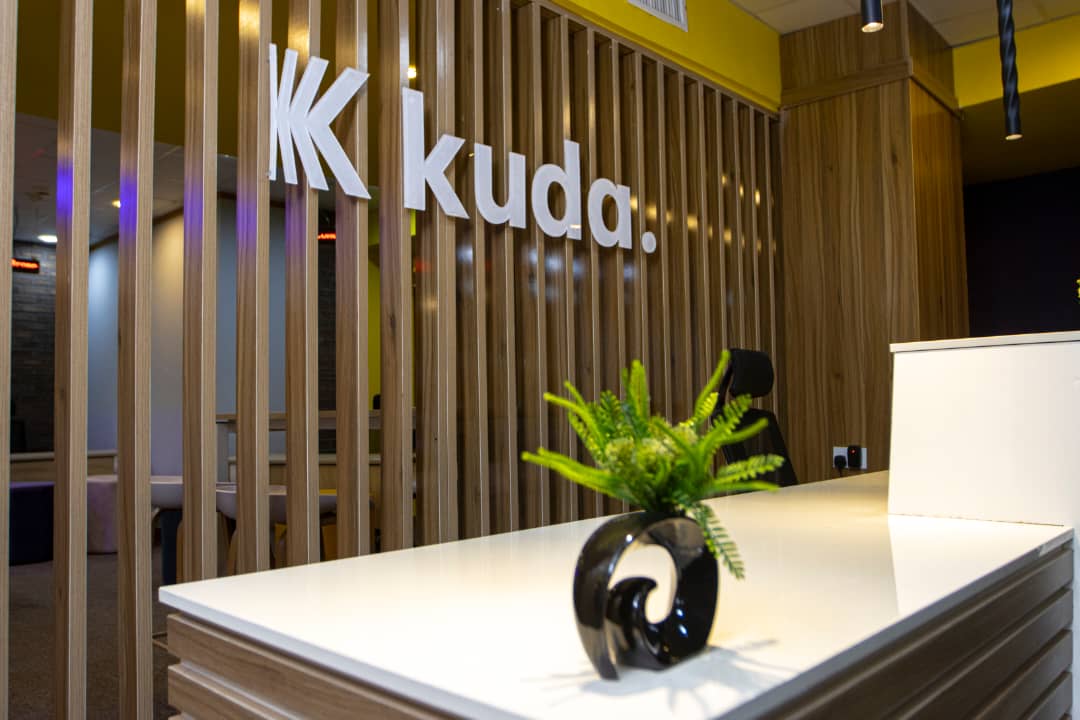
Hundreds lose their jobs at Nigerian neobank Kuda

On March 25, staff at the Nigerian digital bank, Kuda, logged into an all‑hands call and, before they logged out, hundreds had been told their roles no longer existed, as a company‑wide restructuring took out chunks of core teams, including marketing, operations, and other support functions.
It’s a clear signal of how the company plans to grow: leaner and more disciplined.
Between the lines: Kuda insists the cuts are not driven by financial pressure but by “industry benchmarks” and a strategic review of what it needs for scale.
On paper, the numbers support that confidence: seven million registered customers, losses slashed from about $35 million in 2023 to under $6 million in 2024, and naira revenue that almost doubled to ₦21.2 billion ($15.4 million) as operating expenses fell. This is not a company falling apart (at least based on last reported numbers); it is a company deciding it can hit its next set of targets with fewer people.
The more interesting story is what this says about the end of Nigeria’s “growth at any cost” neobank era. If you can process hundreds of millions of transactions and trillions of naira in value with a leaner team, investors will ask why you did not do it sooner.
Kuda’s layoffs are painful, messy, and for many employees, deeply unfair. They are also a reminder that even fintech darlings eventually graduate from the startup fantasy of permanent hiring mode to the listed‑company discipline of doing more with less.


Fincra is now licenced in Canada.
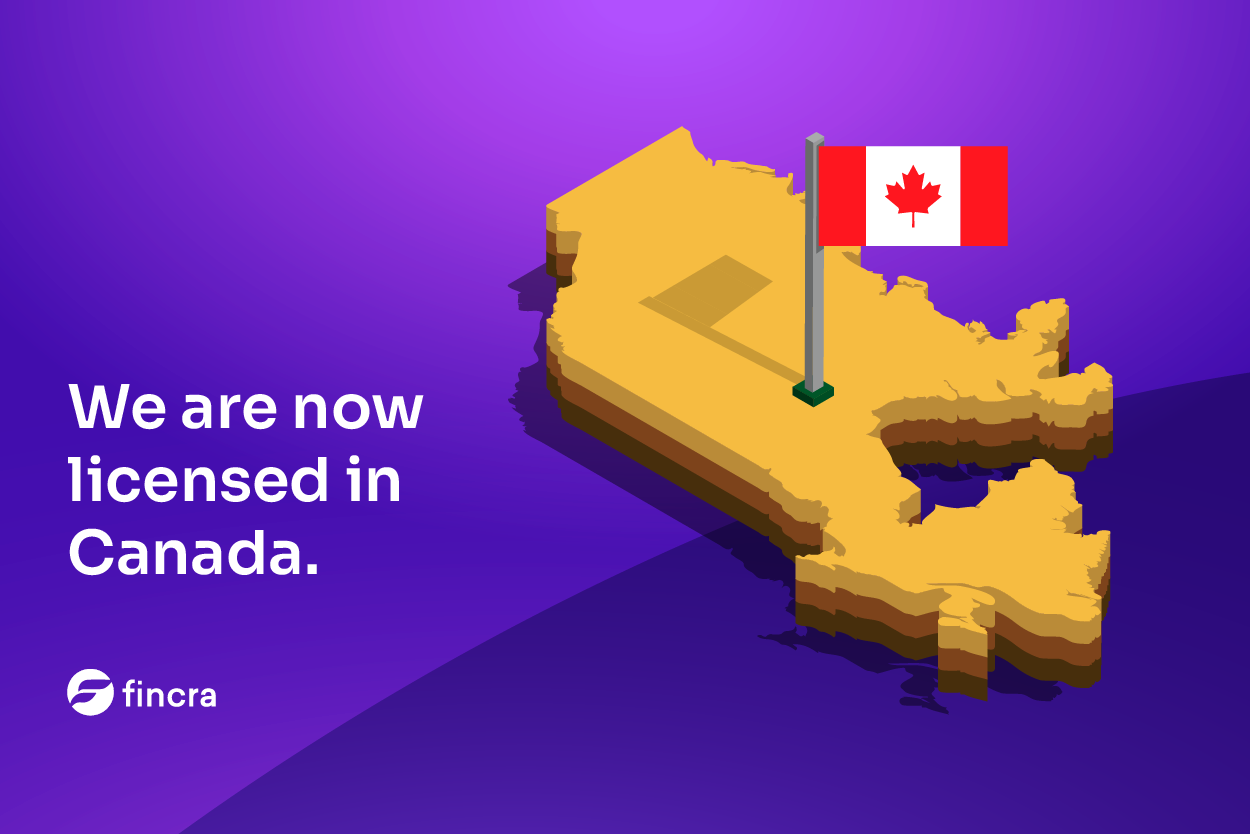
Fincra has secured a PSP licence in Canada, adding a regulated connection between Africa and one of the world’s most trusted financial systems. See what this means for your business.
Economy
Kenya says it will not increase existing tax rates in Finance Bill
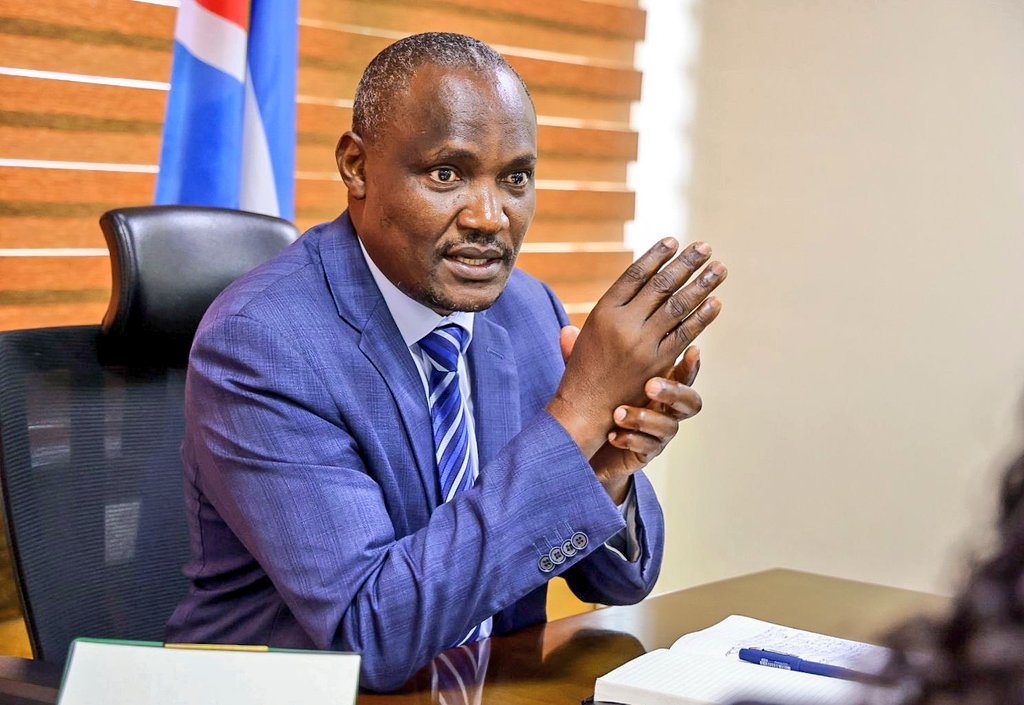
Kenya’s Treasury is trying something unusual for a government that needs cash: promising no new tax rates in this year’s Finance Bill. National Treasury Cabinet Secretary John Mbadi told parliament’s Budget and Appropriations Committee that the 2026 Finance Bill will not raise existing tax rates, and that the focus will instead be on enforcing compliance and widening the tax base through a more digital, data-driven Kenya Revenue Authority (KRA).
The context matters. The 2024 Finance Bill sparked nationwide protests and forced the administration to retreat from several new levies, and with the 2027 elections approaching, President William Ruto’s team is wary of any move that looks like another direct hit to household incomes.
At the same time, parliament has already approved a tight spending ceiling—KES 2.878 trillion (about $22.23 billion)—for the 2026/27 budget, even as total government outlays and debt-service costs continue to climb. That gap between what the state wants to spend and what it can collect is supposed to be closed by better enforcement, not higher rates.
It puts pressure on KRA, the country’s taxman, to use tools like electronic invoicing, automated return checks, and closer tracking of online and small-business transactions, especially in the informal sector that dominates Kenya’s economy, but contributes relatively little tax. The risk is that digital crackdowns fall hardest on businesses already in the net, while much of the cash-based economy stays out of reach.
A cleaner way to put the dilemma: If these administrative fixes do not deliver, the government will eventually have to choose between borrowing even more at high cost or cutting spending more sharply than it is currently willing to admit.
M&A
DHL South Africa is on an acquisition spree

The South African branch of DHL, the German logistics giant, has received approval from the country’s Competition Commission to acquire three local logistics companies, pending approval from the Competition Tribunal.
Who is DHL buying? The logistics giant is buying three companies that are part of the Vital Group, though they are being acquired as separate entities.
Vital Distribution handles the actual movement and storage of goods across industries like retail and manufacturing.
Vital Fleet owns and manages the vehicles, vans, and long-haul trucks, the physical infrastructure that keeps deliveries moving.
Staffing Logistics supplies the people who run these operations with a nationwide network that can deploy workers across different provinces with its 96 operations across the country. Altogether, DHL is buying a full logistics network in one clean swipe.
What this does for DHL: With this acquisition, DHL strengthens its on-the-ground movement of goods across industries like retail and manufacturing, adds more vehicles and transport capacity directly into its system, and gains access to an experienced workforce.
All of this folds into DHL’s existing network, giving it more control over how goods move within South Africa, also deepening its investment footprint in the company after previously investing R6 billion ($350 million) in its South African operations in October 2025. DHL can offer more end-to-end solutions without relying on third parties.
It changes the game for local logistics companies: The Competition Commission has noted that this acquisition is unlikely to substantially lessen or prevent competition in the market, but the reality could feel different.
Logistics companies like Imperial Logistics, DSV South Africa, or BLG Logistics already compete across different parts of the logistics chain. What DHL is doing here is stitching those different parts together under its own roof. It raises the stakes for smaller operators who now have to match a player that can do what they do, but with global backing.
Telecoms
Nigeria’s telecoms regulator proposes new identity management system

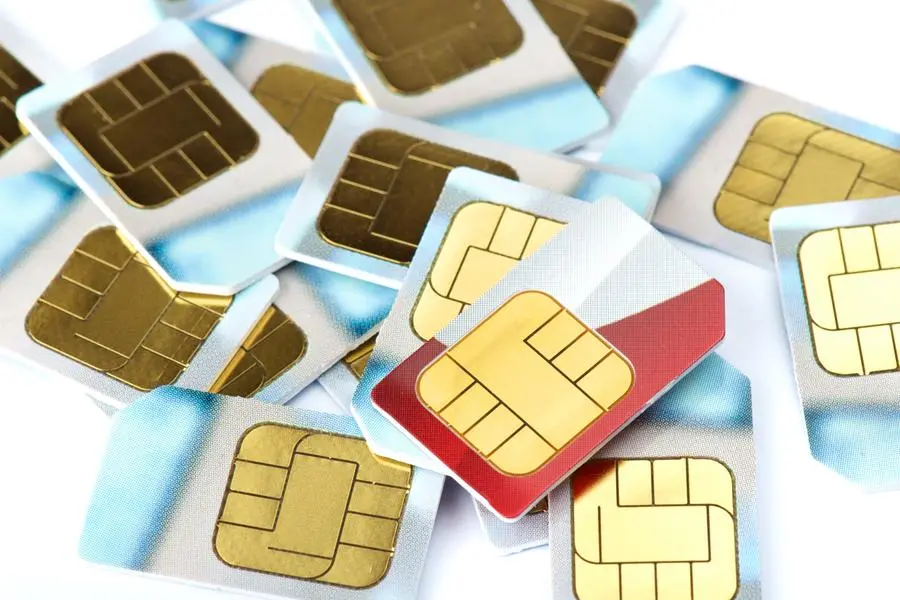
Phone numbers are now more than just tools for making calls. They are bank keys, login codes, among others, and fraud surrounding what happens after a number is recycled or reassigned is increasing. In such cases, someone else can inherit access to the original owner’s accounts and digital footprint.
NCC’s proposed solution: The Nigerian Communications Commission (NCC), the country’s telecoms regulator, is proposing a Telecoms Identity Risk Management System (TIRMS), a platform that will track and verify the risk status of mobile numbers across sectors. Instead of banks, telecoms, and other platforms guessing the status of a number, TIRMS lets them check it in real time if the number has been recently swapped, recycled, or flagged.
It comes with new rules: To make this system work, telecom operators will have to warn users at least 14 days before recycling their numbers, report churned numbers within 7 days, and follow stricter processes for blocking suspicious lines.
Eyebrows are raised: MTN, the country’s largest telecom operator with about 51.4% market share, has pointed out that a similar system already exists, and barely anyone uses it. If banks and financial platforms don’t plug into TIRMS, it risks becoming another well-designed system with low adoption. There are also practical issues that operators would be able to notify users before recycling a number if they can’t reach them in the first place.
In the perfect version of this world, phone numbers stop being a target for fraud and become reliable again, but that depends on participation by relevant players, including telecom operators. The NCC is trying to fix a real problem. The question is whether the system will be used or just exist.
CRYPTO TRACKER
The World Wide Web3
Source:

|
Coin Name |
Current Value |
Day |
Month |
|---|---|---|---|
 Bitcoin Bitcoin |
$67,593 |
+ 1.40% |
+ 2.89% |
| Ether |
$2,054.54 |
+ 2.61% |
+ 6.58% |
| Origin |
$5.34 |
– 8.38% |
– 16.31% |
| Solana |
$83.85 |
– 1.47% |
+ 2.50% |
* Data as of 06.25 AM WAT, March 30, 2026.
Job Openings
- Big Cabal Media — Senior Motion Designer, YouTube Growth Strategist, Quality Assurance Engineer, Editor-in-Chief (TechCabal) — Lagos, Nigeria
- Big Cabal Media — Senior Reporters, South Africa — Remote (South Africa)
- Fincra — Country Manager, Kenya — Remote (Kenya)
- Fincra — Country Manager, Mozambique — Remote (Mozambique)
- Fincra — Country Manager, South Africa — Remote (South Africa)
- Fincra — Senior Product Engineer, Senior Marketing Specialist, and several other roles — Remote (anywhere in the world)
- Paga — Strategic Partnership Executive, Software Architect, Senior Sales Executive, Doroki Growth Marketing Manager, and several other roles — Lagos, Nigeria
There are more jobs on TechCabal’s job board. If you have job opportunities to share, please submit them at bit.ly/tcxjobs.

Written by: Emmanuel Nwosu and Opeyemi Kareem
Edited by: Emmanuel Nwosu
Want more of TechCabal?
Sign up for our insightful newsletters on the business and economy of tech in Africa.
- The Next Wave: futuristic analysis of the business of tech in Africa.
- Francophone Weekly by TechCabal: insider insights and analysis of Francophone’s tech ecosystem
P:S If you’re often missing TC Daily in your inbox, check your Promotions folder and move any edition of TC Daily from “Promotions” to your “Main” or “Primary” folder and TC Daily will always come to you.