Technology, being used by people of different abilities, ages and backgrounds, is now a big part of our daily lives. And as mobile apps, websites and digital products are part of everyday life, designers play a crucial role in the creation of these products. Unfortunately, countless products are still being built without considering accessibility.
Accessibility in product design means building digital experiences that can be used by everyone, including older users, people with disabilities, and people using low-end devices or slow internet connections.
In UI/UX design, accessibility is ensuring that a product can be interacted with easily regardless of device, physical ability and environment. Some users may have hearing difficulties, some may be visually impaired or have motor limitations. Some may have outdated devices, small screens or unstable internet connections. Not factoring in these instances can lead to products that work only for a limited group of people, and good design should work not only for users with perfect conditions but for everyone.
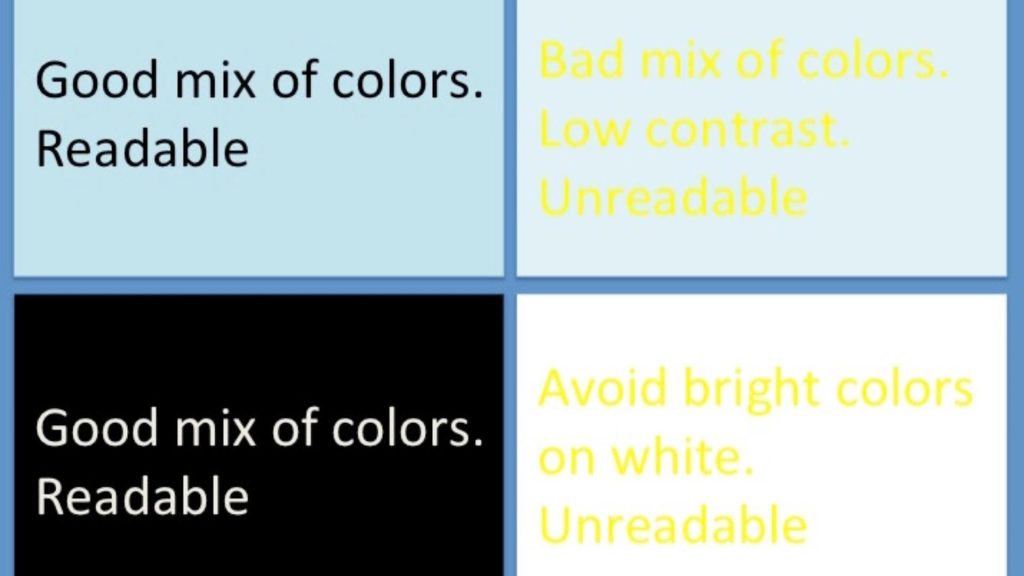
Many designers suffer from a universal problem of focusing solely on appearance without factoring in usability. A common feature of importance to designers includes modern and clean interfaces, but most times, low colour contrast, poor readability and confusing navigation can result from this. A minimalist text can look ultra trendy, but most designers forget to consider that this can be tough to read for some users. A white background with light colours may be appealing, but the content can be difficult to see due to this. Design decisions should not be made without including inclusivity and accessibility because it can cause frustration for users, which can lead to the product being discarded.
Another concern is the number of products being designed for devices that are upscale and have fast internet connections. Even in 2026, with the advent of device releases with built-in AI capabilities and significant upgrades from older model devices, the reality is that a substantial number of people still possess and use basic-tier devices and limited data plans.

Large images, heavy animations and complex layouts can make products difficult and slow to use. A worthy note for designers to remember is that users do not have the same resources, and in instances of imperfect conditions, a good product should still perform its intended function well.
Technology is created to serve people and not ostracise them, so accessibility should be mandatory in product design. Designing products while taking accessibility into account can create opportunities for them to be used optimally by everyone without excluding older users, people with disabilities or people who are new to technology.

Inclusivity does not only apply to workplaces, language, education and public spaces. It applies to digital design as well, and designers have a role in creating equal opportunities to ensure that everyone has access to services and information.
Accessibility is also essential as products can’t be created without ensuring an optimal user experience. Users feel more comfortable if a product is easy to use. Making text readable, ensuring navigation is clear, and layouts are simple are examples of ways to help all users, including those with disabilities, and this ensures user satisfaction.
Organisations and businesses also benefit from accessibility and inclusivity because a product designed to be used by more people can reach a larger audience. Research has shown that accessible design improves usability and expands market reach for digital products. Ignoring accessibility limits the number of people that are able to use a product, which can affect its success, but designing with inclusion in mind leads to better engagement, more users and greater impact.
It’s every designer’s responsibility to factor in the real needs of users. It’s easy to design for people who have the same abilities as we do, and it’s easy to design for ourselves, but real users are diverse. Products could have certain features that some users could struggle with, like small text, unclear instructions, absence of assistive technology like screen readers. Considering needs such as these from the start ensures that thoughtful and useful products are created.

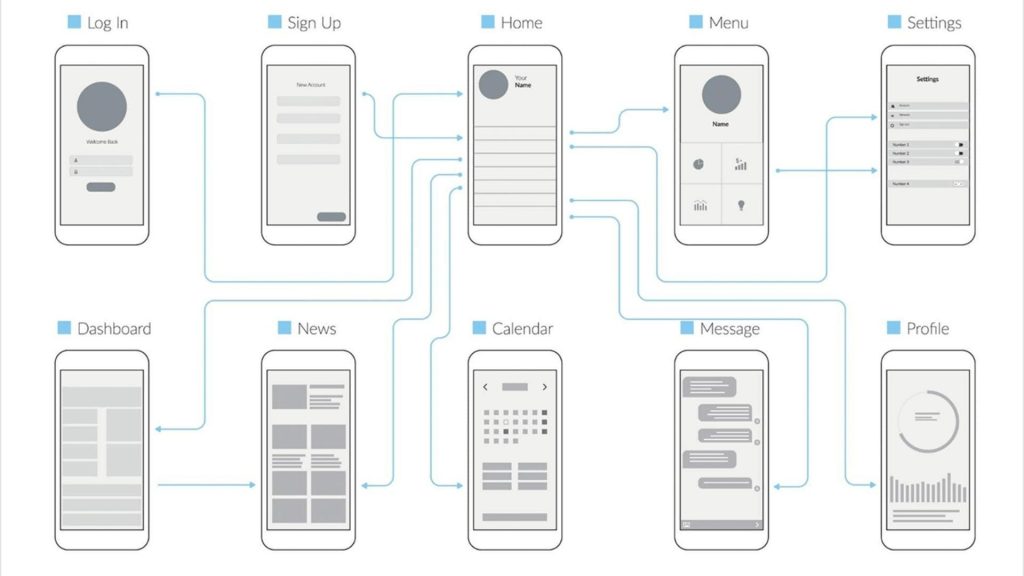
There are inexhaustive ways that designers can implement accessibility in product design. Keeping layouts simple can make navigation easier to understand, having good colour contrast and readable font sizes can make content easier to see and providing clear instructions and labels can assist users to complete tasks without confusion. When designs are tested with real users, problems that aren’t obvious during the design process can be revealed, which facilitates user satisfaction. Accessibility and inclusivity do not always require complex solutions; most times, small changes are all that’s needed to make a big difference.
In some cases, designers don’t ignore accessibility on purpose. Most times, they are not aware of its criticality, so self-education about best practices involved with accessibility and its guidelines will help designers make better decisions. Accessibility should become a standard part of the design process as the industry grows, not something added as an afterthought.
Accessibility has to become important, looking at the future of product design. Adapting to change and creating products with everyone in mind allows designers to grow with technology’s evolution and expansion. Designs that are inclusive and accessible foster trust between products and users, and it highlights empathy in designers.
In summary, designers have the responsibility to improve how people interact with technology and when we focus on accessibility, more users can be reached, more meaningful products and better experiences are created. It’s our responsibility as designers to ensure accessibility is unavoidable in the design process, which allows technology to be more accessible to everyone. When accessibility is a required part of product design, that is one step towards a more inclusive and accessible digital world.
Author Bio:
Elizabeth-Mary Olowolabi is a UI/UX designer focused on creating empathetic, inclusive and accessible digital experiences. Her work explores how digital products can better serve users across different abilities, devices, and network conditions, particularly in emerging markets.