In hospitals across Nigeria, cerebral or severe malaria has severely affected and hospitalised the Nigerian child. According to the 2025 World Malaria Report, Nigeria accounts for the highest percentage of the global malaria burden compared to any other country, accounting for 68,466,000 of the global 282 million malaria cases estimated.
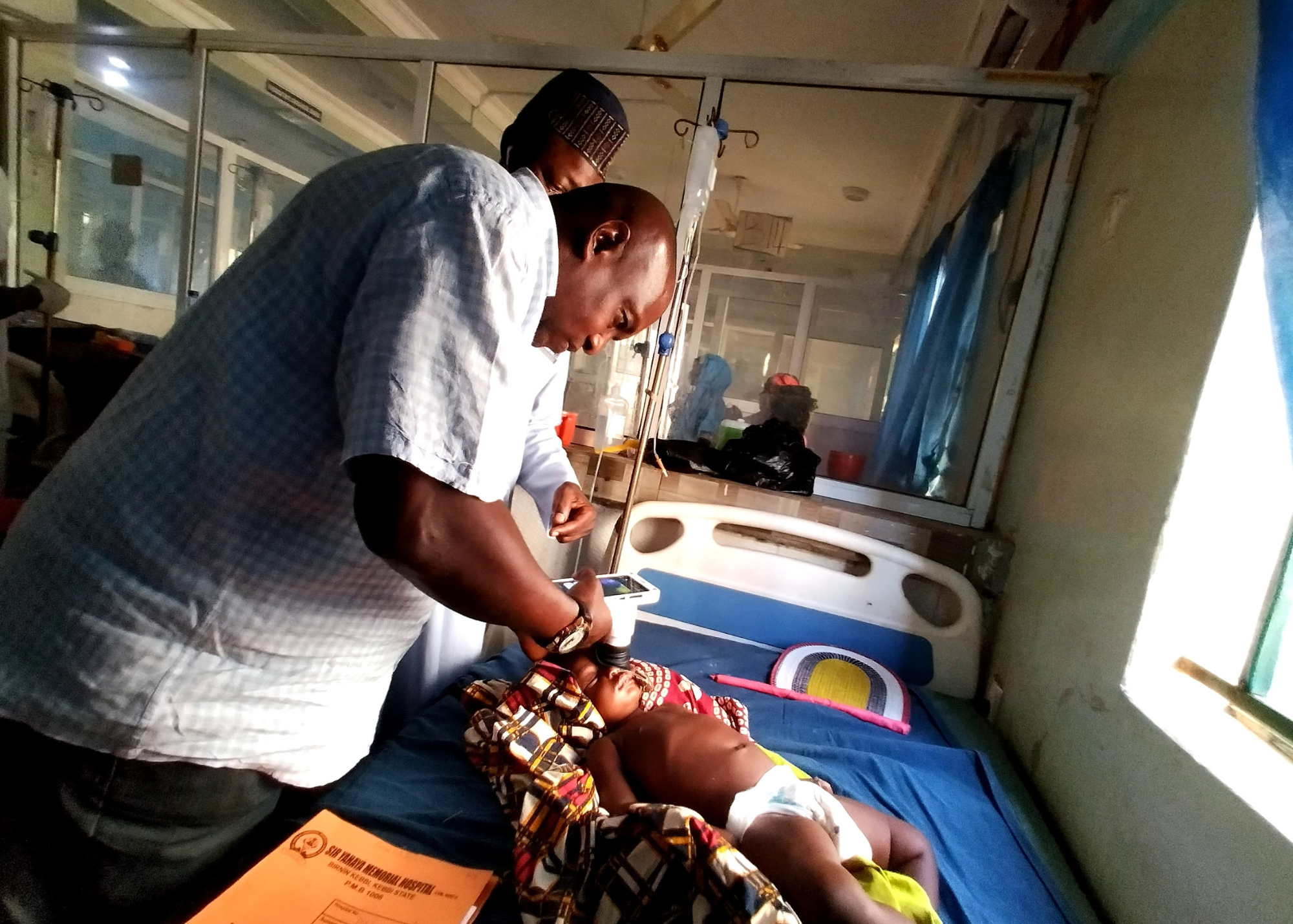
AEyeCARE Nigeria, a biomedical start-up working to open the “window to the soul” through its screening for severe or cerebral malaria, has developed its flagship innovation, ASPIRE, which is an AI-powered platform that enables every nurse and community health worker to diagnose patients.
Using a portable, handheld camera built like a smartphone and the very popular Android interface and operating system, any health worker can take a picture of a patient’s retina. In less than sixty seconds, an AI algorithm trained on over 100,000 retinal images analyses the microscopic blood vessels. According to AEyeCare, Medical personnel who embrace tested AI in their practice can improve the quality of care delivered. In the last 10 years, initiatives such as Seasonal Malaria Chemoprevention (SMC) have been rolled out across the country by the World Health Organisation. However, as malaria deaths persist, AEye care is looking to contribute and take the commitment a step further to help eliminate Malaria across Nigeria.
Diseases like cerebral malaria, diabetes, hypertension, sickle cell diseases, HIV, tuberculosis, anaemia, and even cancers all leave telltale signs in the eyes which can be detected by simple visualisation. The availability of these two key technologies has made it possible to improve the use of retinal images in healthcare.
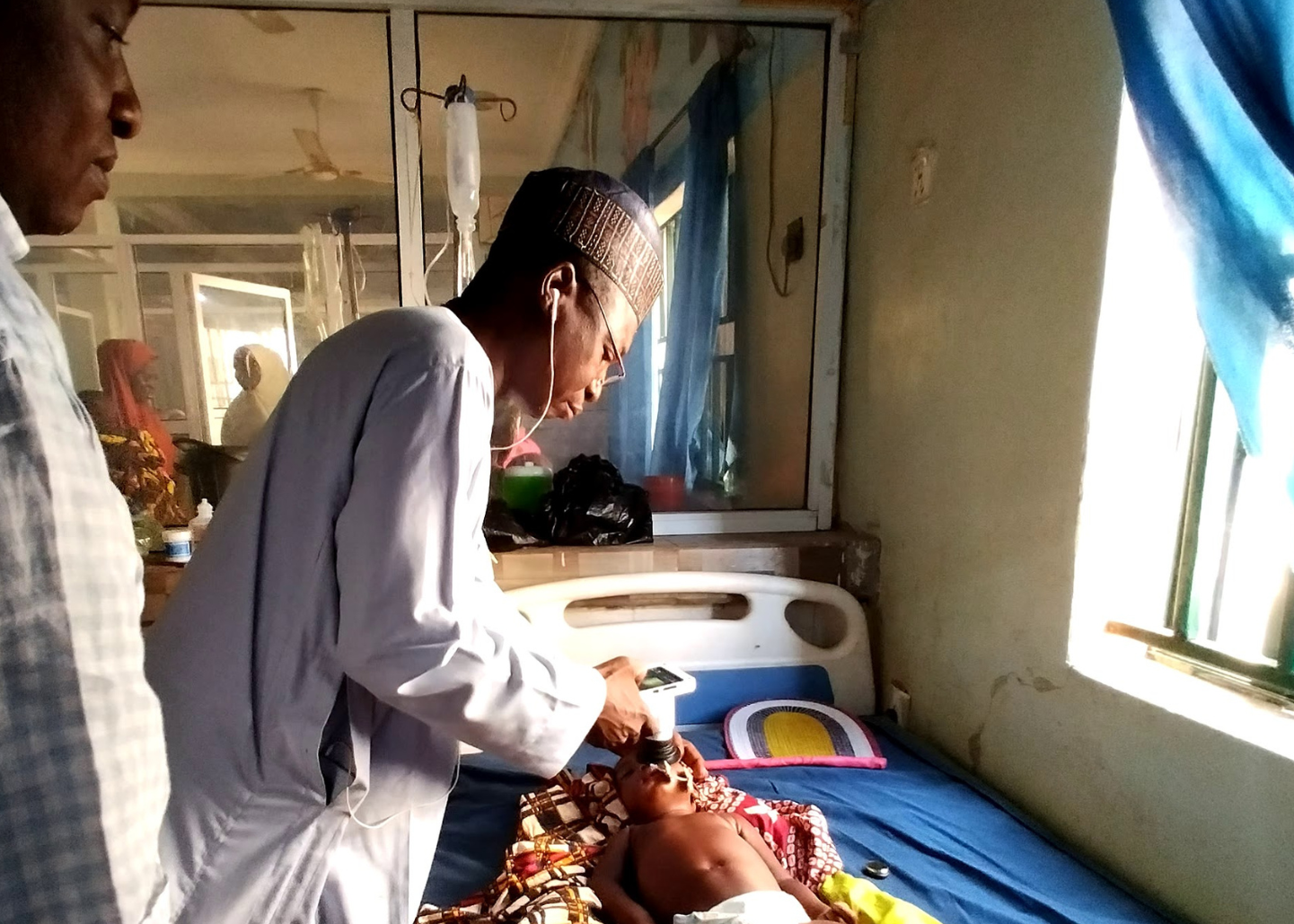
The impact of this tool, if implemented nationwide as planned, is projected to be the most impactful AI adoption in Nigeria because of the population size of people who suffer from cerebral malaria, diabetes, and hypertension. It is projected to have an impact on a reduction in child mortality by reducing deaths from cerebral malaria. In addition, it will also reduce maternal deaths by screening and early detection of pregnant women who will develop Pre-eclampsia and gestational diabetes, improve life expectancy by early detection of end-organ damage and sudden death for people living with diabetes and hypertension.
A new dawn
We are witnessing the birth of a new era in African healthcare.
Nigeria’s health system has long been hindered by resource constraints, but AI is proving to be that innovation is the ultimate resource. In the hands of 25,000 health workers, this tool could facilitate over 65 million screenings annually, weaving a safety net across the entire nation.