


Get smarter about Francophone Africa with our newsletter, Francophone Weekly—the startups, tech policies, and institutions building the pipelines for ecosystem growth.

features
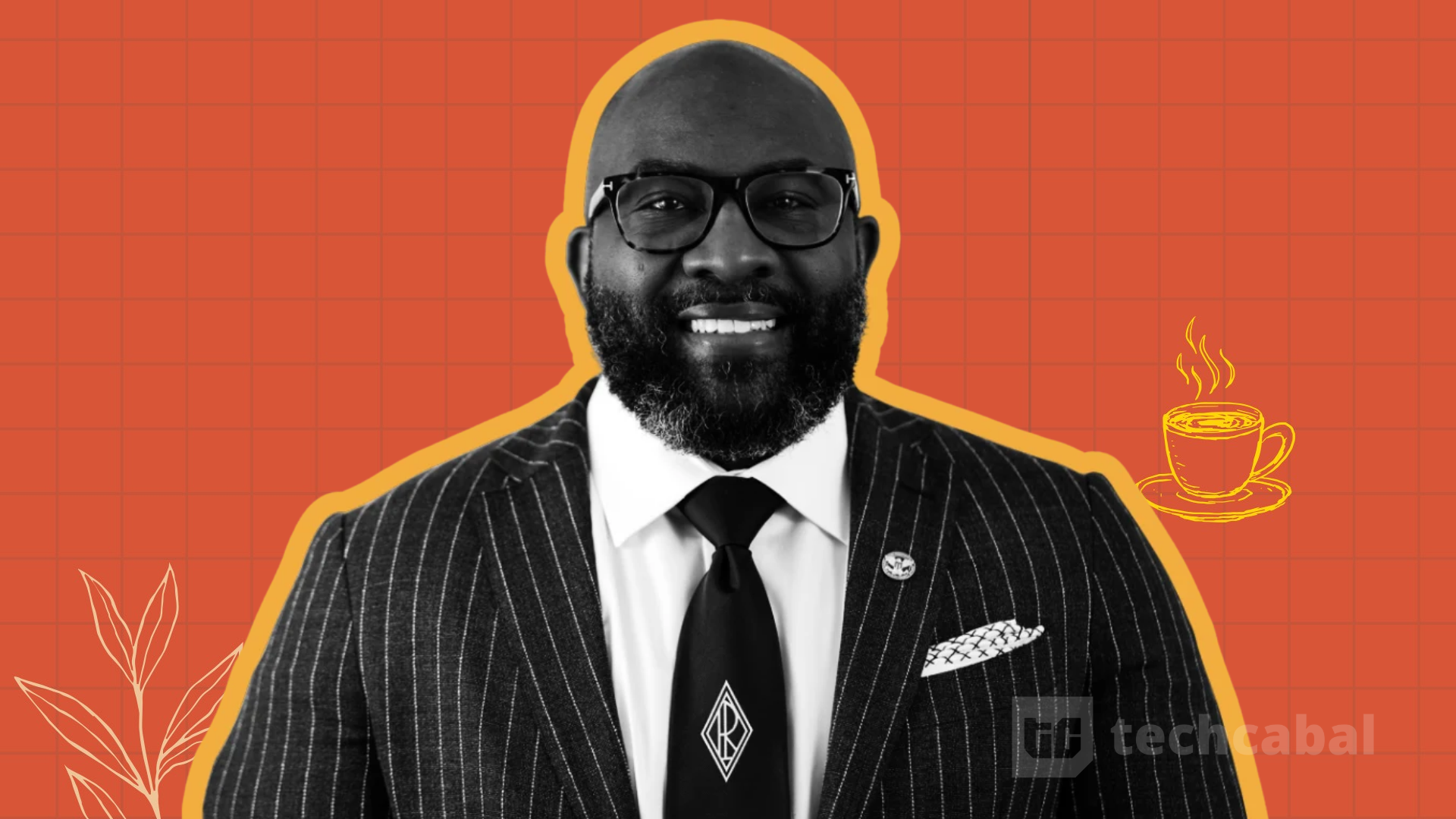
Quick Fire 🔥 with Sarah Idahosa

Sarah Idahosa is the founder of Women In DeFi, a pan-African non-profit that has reached over 8,000 women through blockchain education and decentralised finance (DeFi) since 2022. She also serves as Africa Partnerships and Sales Lead at MANSA, the Tether-backed stablecoin liquidity provider.
Beyond her organisational roles, Sarah is a Web3 educator and speaker who has worked with Cassava Network, Myth of Money, Africa Tech Summit, and Mara. Her focus is on making blockchain and DeFi accessible, particularly for women and newcomers to the space.
- Explain your job to a five-year-old.
- What did your path into Web3 look like, and what would you be doing if you’d never found it?
- You said Women In DeFi has reached over 8,000 women since 2022. Why is it important to you that more people (especially women) understand DeFi?
- MANSA is trying to fix payments in emerging markets. How close is stablecoin infrastructure to actually doing that at scale?
When mummy and daddy want to send money to granny in another country, sometimes it takes too long or becomes too expensive for them, so I help build an easy and affordable way for them to send the money. In addition to that, I teach young girls so they are also able to use and build roads like that for themselves, so they are not left out.
My path into Web3 wasn’t the usual “Oh, I heard about it and wanted to learn more.” It was more of, “Covid is here; we have to look for how to earn cash while at home.” I got into the space through an affiliate marketing platform someone had told me about.
It was a means to earn Ethereum (which I didn’t exactly know what it was); I just wanted to earn some cash during the pandemic. From there, I decided to learn more, and I went down the rabbit hole but never got out. What exactly pulled me in was the community spirit and the fact that it was a new route in the tech space.
I’d say it’s because Web3 presents a once-in-a-lifetime opportunity to rewrite the story of how women have historically been excluded from conversations around technology, finance, and access to credit and capital, especially in Africa.
When I entered the space, I realised women were still being left out of many of these conversations, and I felt compelled to do something about it while the technology was still new—before the bias became embedded in the systems we were building.
The 8,000 women in the community today aren’t just generic numbers. They represent hope and the possibility of a new reality where women are no longer bystanders, but active participants.
I’d say this is a lot closer than most people think. We’re already seeing many traditional payment processors integrate stablecoins to create cheaper, faster, and more efficient payment rails.
For an active trade corridor like China–Africa, we at MANSA have built a solution that enables transactions to happen seamlessly without businesses, especially SMEs, having to pay a premium.
While getting these solutions to the last mile remains a challenge due to regulatory restrictions, local liquidity constraints, and off-ramp infrastructure gaps, the ecosystem is far more receptive than it was a year or two ago.


Modern Rails for Africa’s Economy: How Fincra is helping businesses collect, pay out, convert, and settle across African markets. Read more here.
companies
The curious case of WayaWaya’s “acquisition”

Imagine waking up one morning to discover that, according to the internet, your company has been acquired. The only problem is that you’re convinced it never happened. That is the mystery at the heart of a five-year dispute between Kenyan AI startup WayaWaya and customer experience company Ajua.
Cue the harp: The year was 2021, and publications reported that Ajua had acquired WayaWaya to strengthen its AI capabilities. The story spread to startup databases and company profiles, but WayaWaya founder Teddy Ogallo said there was never an acquisition.
How does this even happen? According to Ogallo, the relationship between the two companies was a consultancy arrangement, not a sale. He said he joined Ajua as Vice President for Product APIs and Integrations, and per the agreement, transferred software he personally owned alongside standard stock options and consultancy compensation. TechCabal saw no shareholder negotiations, board approvals, company valuation discussions, or agreements to transfer ownership of the startup in its investigation.
If it wasn’t an acquisition, why did everyone say it was? Internal communications materials reviewed by TechCabal reportedly framed the relationship as an acquisition before media interviews, with PR briefing documents encouraging executives to ‘sell the acquisition side’ of the story.
It’s more than an interesting startup story: Corporate history matters. Investors rely on corporate records during due diligence, and regulators monitor acquisitions because they can affect competition. If an acquisition is widely reported but one party says it never happened, which version becomes the historical record?
Cards on the table: Five years later, there still isn’t a neat ending. WayaWaya maintains it was never acquired; Ajua had said a transaction existed but was cancelled in 2023, without explaining exactly what that transaction was; and search engines, startup databases, and old news reports continue to tell readers that WayaWaya was acquired in 2021. Perhaps the most interesting part of this story is how difficult it can be to correct the historical record once a narrative takes on a life of its own.
Naira Life 2026 is here!

The theme for this year’s Naira Life Conference by Zikoko is “All About Wealth.”
Join 2,000+ in Lagos on August 22 for a day of practical money conversations and workshops designed to move you from simply earning an income to building lasting wealth. Get 15% off early bird tickets.
companies
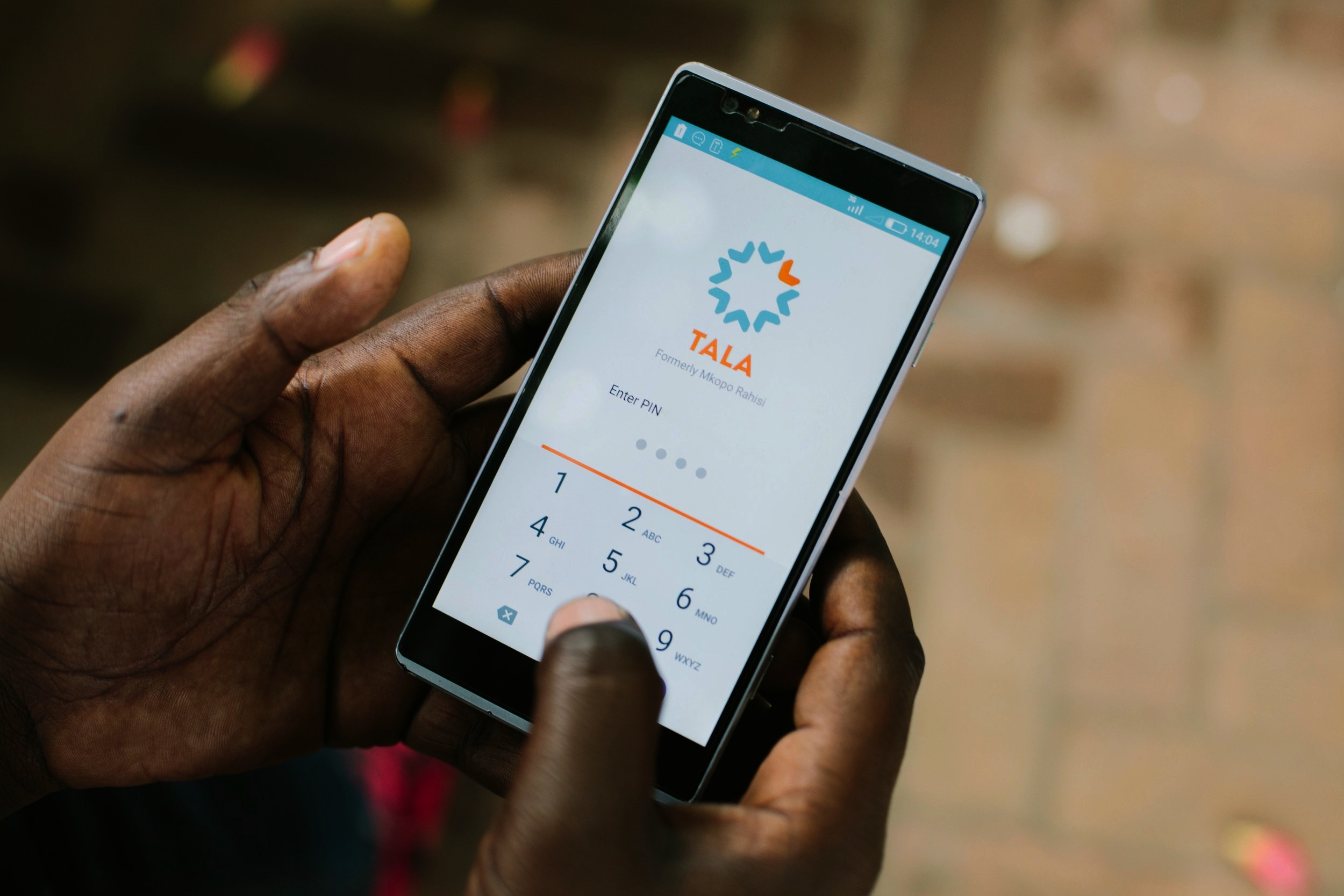
Tala is cutting jobs in Kenya again

In April 2025,Tala laid off 28 people from its Kenya customer operations team, saying fewer loan defaults meant it needed less support staff. On Thursday, the US-based digital lender announced a second round:fewer than 10% of its 85 Kenya-based employees are losing their jobs as the company centralises functions at its global headquarters.
This time, the reason is more structural. Tala isshifting toward an embedded services model, bundling its credit products into partner platforms like insurance companies, device financing schemes, and motorcycle loan programmes, rather than selling directly to customers. Under that model, partners handle marketing and customer acquisition. Tala handles the credit engine in the background. You need fewer local employees when your growth strategy runs through someone else’s distribution.
So, how did we get here? Talaentered Kenya in 2014 as Mkopo Rahisi, one of the earliest digital lenders in the market, and has since servedover 13 million Kenyan customers and disbursed billions in loans. It raisedover $522 million across 13 funding rounds. The Nairobi operation grew large enough that the company used it as a template for its other markets: Mexico, the Philippines, and India. Now the strategy has changed, and the headcount is following.
What next? Tala insists its Kenya operations continue uninterrupted and that customers will not be affected. That may be true. But the embedded services model means Tala’s next phase of Kenyan growth will flow through partners, not through building a bigger local team. For a company that built its reputation by showing up directly for customers no one else would lend to, that’s a meaningful shift in identity, not just organisational structure.
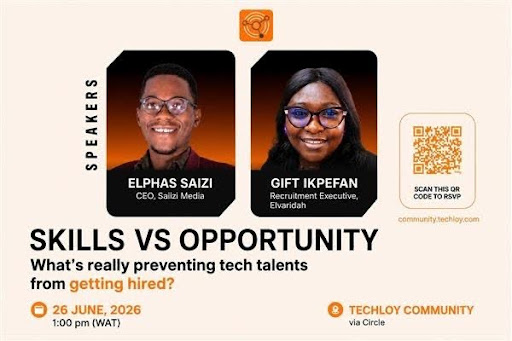
Why do qualified candidates still struggle to get jobs and opportunities? Join Techloy’s virtual event to learn from top recruiters on what employers really look out for and how to position yourself for opportunities in 2026. RSVP here
INSIGHTS
funding tracker
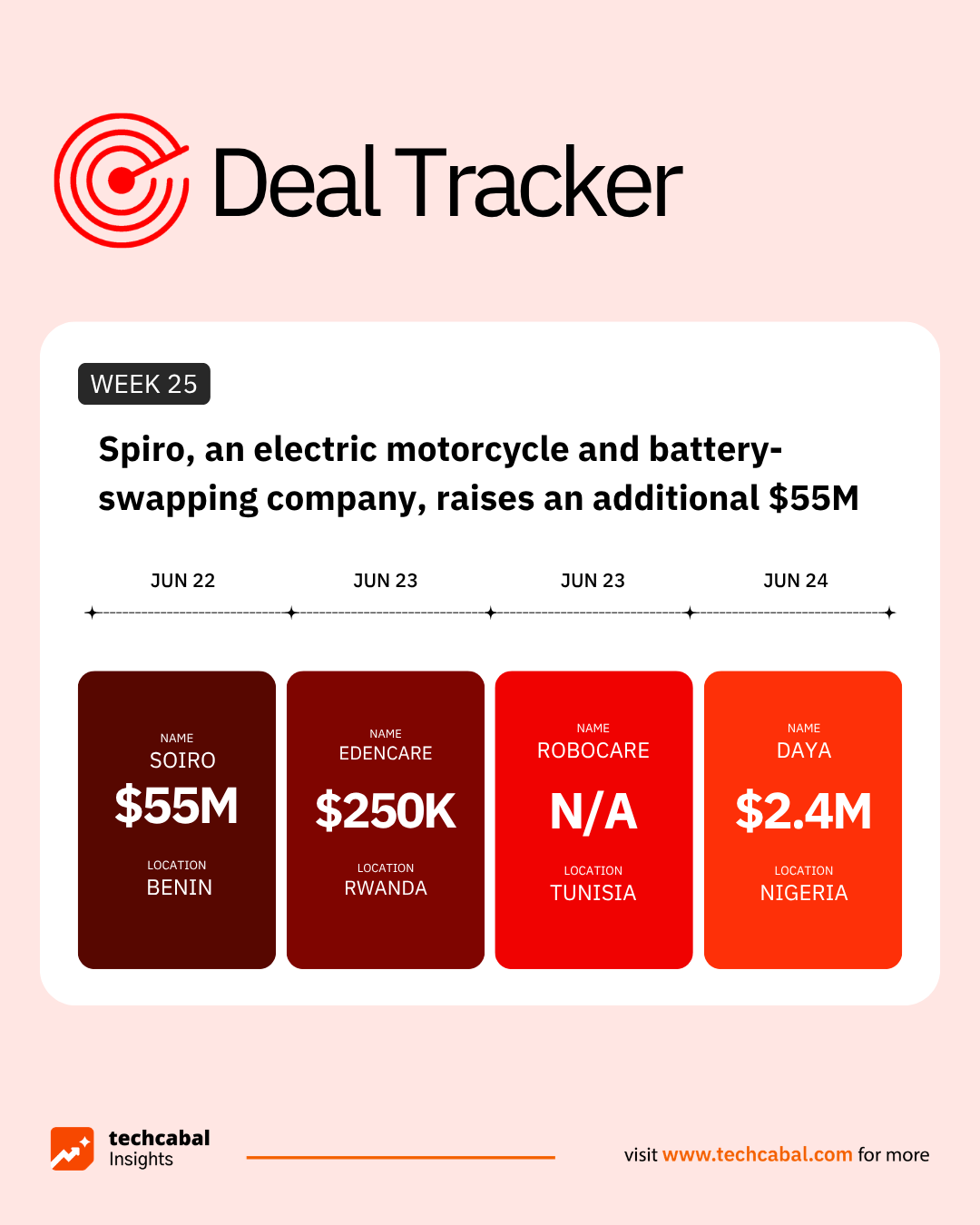
Spiro, a pan-African electric mobility startup, raised $55 million in equity funding from NewTrails Capital. (June 22)
Here are the other deals for the week:
- RoboCare, a Tunisian agritech startup, raised a six-figure investment in a funding round from 216 Capital. (June 23)
- EdenCare, a Rwandan digital health insurance startup, raised €250,000 in funding from Proparco. (June 23)
- Daya, a Nigerian fintech startup, raised $2.4 million in a pre-seed funding round from Hivemind Capital, Lattice Fund, Alliance DAO, Aptos Foundation, and Globelink Investment. (June 24)
Follow us on Twitter, Instagram, and LinkedIn for more funding announcements. Before you go,Who Owns Africa’s Sky?. Find out here.
Showcase Your Brand at Moonshot by TechCabal

Founders. Investors. Policymakers. Enterprise leaders. Moonshot 2026 brings together the people shaping Africa’s technology ecosystem across AI, commerce, climate, enterprise, and culture. Spotlight your brand today.
CRYPTO TRACKER
The World Wide Web3
Source:

|
Coin Name |
Current Value |
Day |
Month |
|---|---|---|---|
 Bitcoin Bitcoin |
$59,911 |
– 2.61% |
– 20.74% |
| Ether |
$1,555 |
– 5.51% |
– 24.69% |
| XRP |
$1.03 |
– 4.73% |
– 22.28% |
| Solana |
$68.27 |
– 1.21% |
– 18.36% |
* Data as of 06.38 AM WAT, June 26, 2026.
JOB OPENINGS
- Kredete —Blockchain Engineer — Lagos, Nigeria
- BBC — Video Journalist, BBC News Igbo — Lagos, Nigeria
- Bank of Taiwan, South Africa —Chief Risk Officer — Gauteng, South Africa
- Busha — Senior Backend Engineer — Hybrid (Lagos, Nigeria)
- M-KOPA — Group Tax Manager, Finance Business Partnering Manager — Nairobi, Kenya
- Britam — Quality Assurance Officer — Nairobi, Kenya
- IQVIA — Senior Statistical Programmer — Nairobi, Kenya
- Realist Optimist — Correspondent Writer — Not specified
- Communiqué — Reporter, Creative Economy & Media Business — Remote (Nigeria)
Looking for more opportunities? There are additional openings on TechCabal’s job board. We’ve also cleared out outdated listings to keep opportunities fresh for job seekers. If you’re hiring and would like to feature an open role, please submit it via this form.

Written by: Opeyemi Kareem and Zia Yusuf
Edited by: Ganiu Oloruntade
Want more of TechCabal?
Sign up for our insightful newsletters on the business and economy of tech in Africa.
- The Next Wave: futuristic analysis of the business of tech in Africa.
- Francophone Weekly by TechCabal: insider insights and analysis of Francophone’s tech ecosystem
P:S If you’re often missing TC Daily in your inbox, check your Promotions folder and move any edition of TC Daily from “Promotions” to your “Main” or “Primary” folder and TC Daily will always come to you.