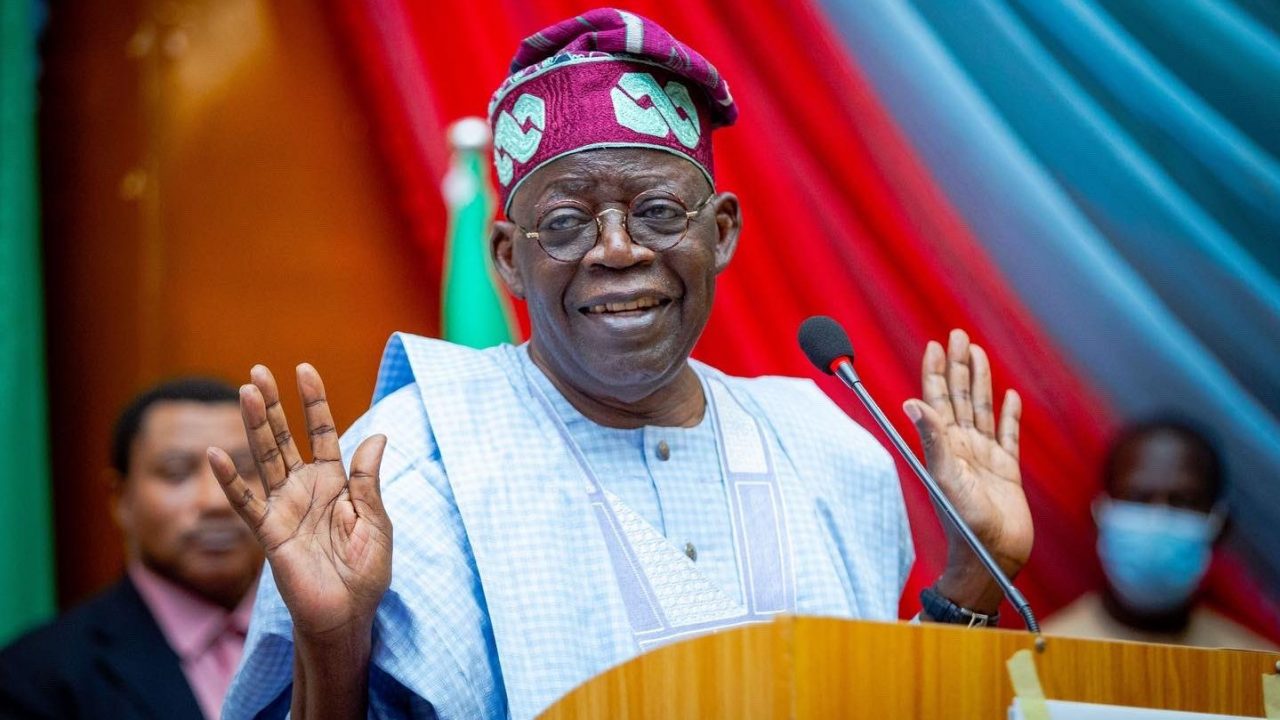
The Tinubu administration has introduced a number of reforms with far-reaching effects on the economy. But Nigeria’s tech ecosystem players say it’s still a long road ahead.
President Bola Tinubu has scored what should be considered, even by cynics, an interesting performance goal. In his first act as president, he removed fuel subsidies and pledged to move to a unified foreign exchange rate. By his second week in office, he suspended the Governor of the Central Bank, Godwin Emefiele, and devalued the naira. On the policy side, he has signed some bills into law—including the Nigeria Data Protection Bill designed to address the country’s disturbing surge in data breaches. The execution of this range of reforms has left Nigeria’s tech ecosystem cautiously optimistic about the Tinubu administration.
“There appears to be an intentional effort at clearing the pitfalls that have endangered startups and the growth of the tech and innovation ecosystem in Nigeria,” Omoruyi Edoigiawerie, a startup attorney, told TechCabal.
As stated in his campaign manifesto, President Tinubu intends to achieve an inclusive digital economy and he highlighted several plans in this regard: the creation of one million new jobs in the “ICT sector” in his first two years, talent outsourcing, tech manufacturing, and a review of the government’s stance on blockchain technology and cryptocurrency. While it remains to be seen how the new government will pull these off, industry watchers say the current economic reforms are a good start.
Bloomberg reported that overseas investment flows have jumped over the past month since the naira devaluation, a tell-tale sign that Nigeria’s stock market is up for a longer bullish run. But some experts who spoke to TechCabal said H1 reports–which are due this month–may present some shocks.
Following the unification of the exchange rate, new rules from the Central Bank allow beneficiaries of diaspora remittances to receive payments in naira at the prevailing exchange rates of the day. This has birthed new opportunities for fintechs and traditional banks. Access Bank has partnered with Remitly, an American online remittance service. Paga has announced that its users can now receive remittances in naira. Flutterwave has also launched payment products that will allow Nigerians to pay international tuition and airline fees in naira. Adedeji Olowe, founder of Lendsqr, a lending SaaS fintech, told TechCabal, “The body language looks like a lot will happen. Removing all the barriers will allow fintechs and by extension the startup ecosystem to work. But then, it’s still early days so it’s better not to jump to conclusions.”
Good start, but not enough
These fiscal reforms come with a darker side. Damilola Robert, growth marketing manager at Bitnob, said the floating of the naira has had a big effect on fintechs. “Virtual cards used to be a cash cow for many fintech platforms like Payday and the rest. However, with the new remittance policy, we are seeing banks like Wema Bank announcing that their users now have access to spend online capped at $500 monthly which I believe is a substantial amount compared to the previous $20 benchmark,” he told TechCabal.
The unified FX rate also triggered a possible 40% increase in electricity tariffs from the beginning of this month. The tariff increase poses a dilemma for startups, forcing them to choose between raising prices or experiencing diminished profits. Even for startups that work remotely, their workers will bear the brunt as they now have to spend more to power their devices. Also, the new FX regime will change how startups report revenue to foreign investors.
Seye Bandele, co-founder of Pade HCM, an HR startup told TechCabal that since startups raise money in foreign currency and get revenue in the local currency, meeting revenue targets becomes difficult. “This has a significant impact on how startups can earn investor confidence. The policies [of the Tinubu administration] have also impacted our internal operations. The removal of the fuel subsidies has led to a hike in the cost of moving around the city. But we cannot instantly apply palliatives to our organisation because we are already struggling to meet our revenue targets,” he added. Bandele said as the Tinubu administration is “quick to implement these reforms, it should introduce measures to contain the effects of these policies”.
From a policy perspective, the 2022 Finance Act—a spillover from the previous administration—introduced a 10% tax on profits on digital assets which include cryptocurrencies, non-fungible tokens, and other tokenised assets. Several crypto traders told TechCabal at the time that it may not work, leaving many to wonder if Tinubu’s promise to review the government stance on crypto is just on paper.
Similarly, lawyers have questioned the unclear provisions in the Nigeria Data Protection Act. Edoigiawerie, the startup attorney, added that a lack of political will may stall the meaningful implementation of the law. “That is where my worry lies, we have seen good laws and regulations fail on the altar of haphazard or mischievous implementation,” he told TechCabal.
More importantly, as President Tinubu looks to set up his cabinet, many tech players look forward to who becomes the next minister of communications and digital economy, mainly to drive the implementation of the Nigeria Startup Act. Tech lawyer Oyindolapo Olusesi told TechCabal that the next minister must “understand the digital economy from a global perspective but also has domain experience in the African and particularly Nigerian tech ecosystem”. Last week, TechCabal reported that four stakeholders in the Nigerian tech ecosystem are being considered for key positions—including a ministerial seat—in the Tinubu administration.