When Juliet, a mass communication student at Covenant University, first subscribed to MTN’s ₦3,500 ($2.19) monthly plan, she got 15GB — enough to last her about a week. Now, for ₦5,000 ($3.13), she gets 14GB, which barely lasts one week. “Roughly, I spend up to ₦20,000 ($12.5) monthly on data,” she says. “The data [tariff] increase is crazy, to be honest.”
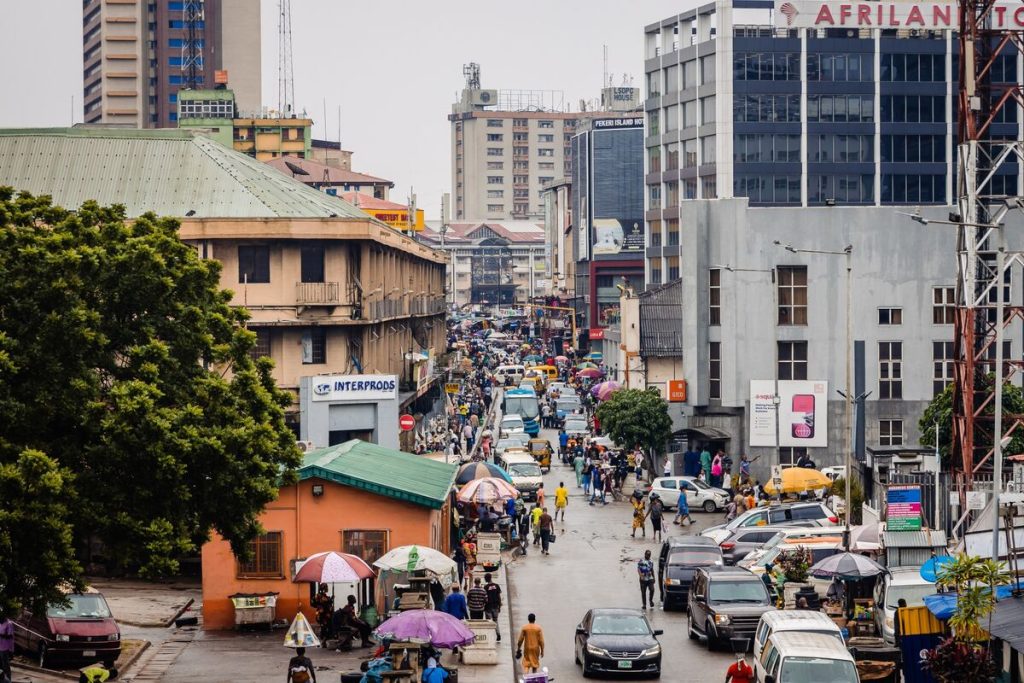
Juliet’s story is far from unique. Across Nigeria, youths are reeling from the recent surge in mobile data and airtime tariffs. The hike, which coincides with broader inflation and economic instability, has forced Nigerian youths to make sharp sacrifices, including choosing between data and food.
“We just work to be able to buy data,” Juliet says. “Before, it was food. Now, it’s data.”
For many, like Moyo, a research assistant, the frustration is undeniably evident. She used to spend ₦5,000 – ₦7,000 ($3.13-$4.38) monthly on data. Now, she pays double: ₦10,000–₦15,000 ($6.26-$9.39). “It feels like I was sent to this earth for data purchase. It’s exhausting,” she says.
Drastic lifestyle change
The frustration Nigerians feel stems from the fact that they have to cut costs on many things they love to have enough money to spend on data.
Abuja-based product manager, Joshua, had to cut down how much he spends on “Black Tax” — the financial support many young Nigerians give to their family members — due to the tariff hike. When asked how he feels about the hike, he says, “like a Nigerian: defeated and disappointed.”Before the hike, Joshua used to spend ₦37,000 ($23.15) on data.
Now, he spends ₦39,000 ($24.40). He used to purchase data on three SIMs from different network providers, but now, he purchases data from just two network providers. “I haven’t been consistent with [purchasing data for] my brother’s router like I used to before the tariff hike,” he says.
For young professionals like Emediong, a robotics process automation engineer and a part-time photographer, the new prices are particularly painful. Considering the large file transfers, design uploads, and streamed tutorials, his monthly data needs are high. To cut airtime costs, he now uses WhatsApp for most of his calls.
Unfortunately, airtime is not the only thing Emediong has had to cut costs. “I used to have some snacks to nibble on sometimes while working. It helped to keep me going till I could get food. I had to cut all that because of the increased data expenditure.”
Moyo admits that she has had to reduce how she streams and downloads “unnecessary stuff.” She adds that it is hard because she mostly uses Instagram and TikTok, which are not “data-friendly.”Charity, a Covenant University student, says she has stopped buying takeout to free up funds for data: “I do more home cooking now.”
Even tech bros are no exception to the lifestyle change. Tobi, a software engineer, says that his data bill has quadrupled from ₦5,000 ($3.13) to ₦20,000 ($12.5). “I am not coping, to be honest,” he says. He reveals that his “fun budget” has taken a hit.
Wi-Fi to the rescue of young Nigerians?
Young Nigerians have been forced to find alternatives to cope.
Frank, an Abuja-based associate lawyer, cut his food expenditure to spend more on data. “I’m not coping at all,” he says. “Monthly, I use other people’s Wi-Fi a lot.” He now spends ₦11,000 ($6.88) monthly on data, up from ₦6,000 ($3.75). “I feel bad about it,” he says.
Frank is not the only one who relies on other people’s Wi-Fi to survive. Ayo, an architecture student at Covenant University, says she always uses her school’s Wi-Fi at strategic points when the need arises. At other times, she uses a Glo network family data plan. “It is done collectively as a family expenditure, like electricity bills,” she says.
Ayo’s workaround to data expenses makes her one of the few young Nigerians who have not been affected by the tariff hike: “I am not exactly satisfied about the hike in [terms of] general purchasing prices, but sincerely, data [purchase] hasn’t been my primary concern as regards expenses.”
“Why didn’t God just create me to be an American?”
A few outliers like Ayo are insulated from the blows of the tariff hike.
And then there’s Miracle, a banker, who can not relate to Ayo’s reality.
Miracle sums up her frustration with the kind of blunt exhaustion many feel but few articulate so starkly: “This regime is the worst of the worst. Why didn’t God just create me to be an American or something?”
Miracle is among millions of young Nigerians who need exactly that — a miracle — just to afford the luxury of being online.
*Exchange rate used: ₦1,600 = $1