By Funmilayo Erikitola
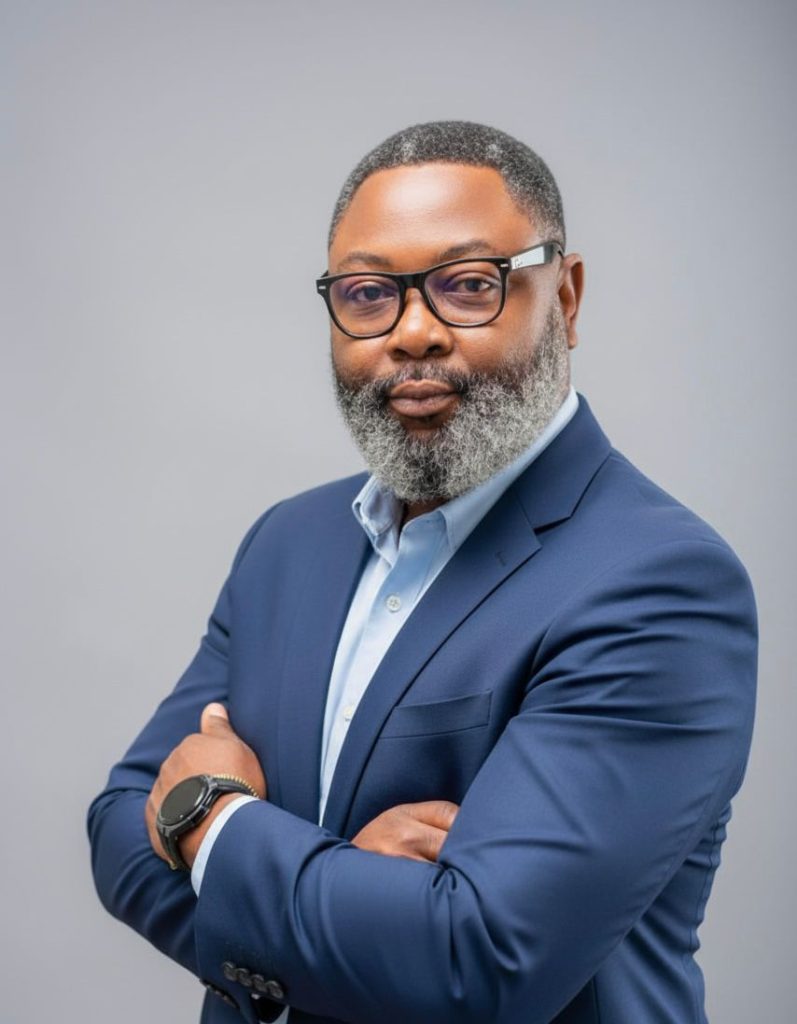
When you meet Jayson Oyarekhua, his energy and clarity of vision stand out immediately. With over two decades of high-level leadership experience across strategy, sales, technology, logistics, e-commerce and general operations; including a distinguished C-suite career at FedEx/Red Star Express, he brings proven expertise in steering organizations, driving growth, and building resilient teams. Today, as Co-Founder and Director of The Hub Terminus Limited (THL), Jayson continues to shape the future of logistics and fulfillment through innovation, strategic leadership, and execution excellence.
Jayson is now channeling his experience into solving one of Africa’s most persistent challenges: fulfillment infrastructure. But his story goes beyond logistics. He is also the Founder & CEO of the William Bamah Foundation, a platform dedicated to capacity building and philanthropy. In this interview, he opens up about his journey, THL’s mission, and his wider impact on society.
Q: Jayson, let’s start at the beginning. Who is Jayson Oyarekhua?
A: I am an entrepreneur, business leader, and logistics professional. My professional life has been in logistics, sales, technology and operations, with leadership roles including Chief operating Officer at Red Star Express (FedEx). I am also a husband, father, mentor, and someone who believes in service-driven leadership. My guiding philosophy is simple: People. Service. Technology. That’s how I approach both business and life.
Q: Tell us about your journey before THL. What shaped you?
A: My career is rooted in logistics. At Red Star Express, I worked on major projects and learned firsthand how logistics is the backbone of any economy. But I also saw the systemic logistics gaps in Nigeria and Africa. That experience convinced me that Africa needed a fulfillment infrastructure designed for its realities. That conviction birthed THL.
Q: Why did you decide to start The Hub Terminus Limited (THL)?
A: We wanted to solve a problem that was stifling African businesses. MSMEs, retailers, and even multinationals lacked reliable and affordable fulfillment solutions. Warehousing was fragmented, inventory management was manual, and last-mile distribution was costly. THL was created to bridge that gap by providing the infrastructure businesses need to scale.
I say “we” because THL was co-founded by Victor Ukwat and me. Our founding team and indeed our entire staff have been amazing. We wouldn’t be where we are today without every single one of them.
Q: How did THL move from idea to reality? What were the first steps?
A: We started with customer interviews and a pilot facility, then invested in infrastructure and training. We built our Order Management System (OMS) to give clients visibility from day one, signed partnerships, and adopted an asset-light footprint while we validated demand.
Q: What verticals or sectors does THL play in?
A: THL operates across multiple verticals; retail, FMCG, e-commerce, pharmaceuticals, and manufacturing support. We also work with startups and MSMEs who need flexible, tech-enabled fulfillment without heavy upfront investment. Each vertical has unique needs, and our model allows us to tailor services. whether it’s sensitive items or high-turnover SKU management for e-commerce brands.
Q: What were the biggest early challenges and how did you overcome them?
A: Capex pressure, trust building, and talent upskilling. We mitigated capex through a hybrid model, built trust with tight SLAs and transparent dashboards, and invested heavily in people and process, because execution quality is everything in fulfillment.
Q: You have a People. Service. Technology. (PST) philosophy. What does it mean to you?
A: It’s the foundation of everything we do. People come first; because technology means nothing without passionate, well-trained people to drive it. Service is our commitment to consistency, reliability, and transparency for our clients. And Technology is the enabler that allows us to scale these values efficiently. So, PST isn’t just a slogan; it’s how we design our workflows, hire our teams, and measure success. It keeps us human but scalable.
Q: How central is technology to your model?
A: It’s the spine. Our OMS gives clients live visibility, stock, orders, dynamic reporting, SLAs, exceptions. We use scanning, audit trails, and analytics to cut errors and improve pick rates.
Q: What makes THL stand out from other logistics players?
A: What sets us apart at THL are our people who deliver with passion, our flexibility to adapt to every client’s needs, and our technology that drives efficiency and transparency.
Q: We know you’re grounded in providing services in Nigeria, but are you looking at scaling regionally?
A: Absolutely. Nigeria is our base, but Africa is our playground. We’re already exploring strategic partnerships and opportunities in Ghana, Kenya, and South Africa. The AfCFTA gives us a clear framework for regional trade, and our goal is to create a connected fulfillment network that supports cross-border e-commerce and regional manufacturing supply chains. We call it our Pan-African Fulfillment Grid.
Q: How favorable are government policies to your operations?
A: Policies shape our sector directly. Though laudable, the removal of fuel subsidies raised transport costs, inflation reduced purchasing power, and FX volatility affected imports. But there are also positives; FDIs, steadying economy, AfCFTA and trade facilitation policies create opportunities for local and cross-border growth. At THL, we adapt by focusing on efficiency, diversifying our model, and exploring alternatives.
Q: The economy has been challenging. How are you navigating it?
A: Resilience and innovation. We’ve optimized throughput without doubling staff. We’ve leaned on collaboration like 3PL partnerships, and we continue to invest in automation and tech to cut inefficiency. Our philosophy is that every challenge is an opportunity to innovate and that’s how we’ve stayed strong.
Q: You are married? How has family influenced your journey?
A: Yes, I’ve been married for over 23 years and we are blessed with two kids. Family is my foundation. They balance the pressures of entrepreneurship and give me strength when challenges come. My wife and children have been my greatest supporters, and they remind me constantly that my work must go beyond profits, it must leave a legacy of opportunities for the next generation.
Q: You’re also CEO of the William Bamah Foundation. What is its mission?
A: Capacity building and philanthropy. We mentor youth, support entrepreneurs with practical skills, and provide relief where it’s needed. Building companies matters; building people matters even more.
Q: Why the name William Bamah?
A: The foundation was named after my father; William Bamah Oyarekhua his first and middle name. He means a lot to me, and I miss him deeply. He was known for his big heart, his humility, and his commitment to helping others. Naming the foundation after him is my way of continuing that legacy of compassion, service, and generosity.
Q: Outside of work, who is Jayson? What do you enjoy doing?
A: I love movies, music, and hanging out with friends over drinks. I also enjoy reading, writing, and mentoring. Through LinkedIn, I share leadership insights and help develop future leaders. I love to learn. Above all, I value family time, those moments recharge me and remind me of what truly matters.
Q: What change are you trying to create with THL?
A: THL is more than brick & mortar. We are: Empowering MSMEs to scale with access to affordable infrastructure. Creating jobs and skills for young people. Lowering consumer costs through supply chain efficiency. Strengthening regional trade by providing the fulfillment backbone for AfCFTA. We’re unlocking Africa’s growth potential. That’s the real change.
Q: Describe your leadership style.
A: Transformational, situational, calm, standards-driven, and human. I rely on emotional intelligence to earn trust and on clear metrics to drive performance. People do their best work when expectations are explicit and support is real.
Q: A leadership lesson you wish you’d learned earlier?
A: Hire values first, skills second and document everything. Great SOPs and the right attitudes outperform raw talent without structure.
Q: A proud moment as a founder?
A: For me, the proudest moments are when I see businesses finally able to scale after trusting THL with their fulfillment. Many clients come to us weighed down by stockouts, manual inventory headaches, and professional personnel issues. Once we take over, they suddenly have the infrastructure, systems, and visibility they need to grow. I’ve watched MSMEs expand into new markets, retailers add new product lines with confidence, and e-commerce brands improve customer trust because orders are accurate and on time. That’s deeply fulfilling.
Q: Where do you see THL in five years?
A: In five years, THL will be the fulfillment hub of 1st choice in Nigeria and expanding into Africa. Our ambition is to be the partner every business thinks of when they think of fulfillment in Africa.
Q: And where do you see yourself in five years?
A: I see myself still building, still mentoring, and still leading. I want to keep contributing to Africa’s growth story not just through THL but also through the William Bamah Foundation, through training, and through the people I have the privilege to mentor. For me, entrepreneurship is about impact, and legacy.
Q: Finally, your advice to young African founders?
A: Pick a real problem. Start small. Move fast. Build SOPs and dashboards early, price with discipline, and invest in people. The market rewards reliability more than rhetoric.
As our conversation ends, it becomes clear that Jayson Oyarekhua is not simply building a logistics company. He is shaping systems, creating opportunities, and laying the foundation for Africa’s future in trade and enterprise.