By Ogunrinde Adejoke
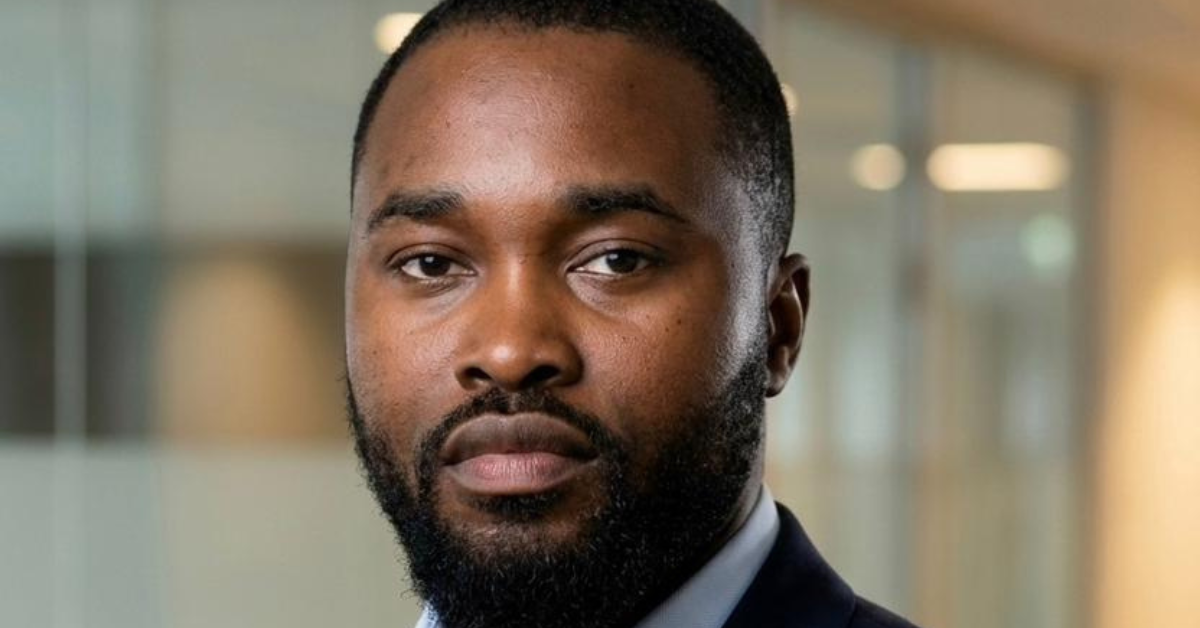
Patrick Okooboh’s work reads like the intersection of bedside urgency and exacting scholarship with a pragmatic, evidence-first architecture that insists data used to care for children be more than available, it must be trustworthy. Before conceiving the Child Health Data Assurance Framework (CHDAF), Patrick spent more than six years as a researcher and data analyst at the University of Benin Teaching Hospital (UBTH) in Edo State, Nigeria. During this period, Patrick worked daily with health data that was incomplete, inconsistently measured, or fragmented across caregiver records. These problems revealed that risks to patient care often emerge at the data-collection and documentation stage, well before a clinician interprets the information or makes a decision. Today he is a PhD researcher at the University of Maryland, College Park, with a Masters in Sociology and graduate level training in research methods and data analysis from the University of Essex.
CHDAF is, at heart, an answer to a persistent question of how hospitals, regulators, funders, and product teams decide, with defensible evidence, whether a child health data system is safe enough for clinical use. Patrick’s framework avoids relying on assumed compliance. It uses a focused ten-question diagnostic informed by strong empirical evidence, applies a transparent and repeatable scoring system with confidence measures, and prioritizes gaps by converting them into a clear, auditable list of corrective actions. The assessment produces clearly defined acceptance criteria, traceability matrices, and governance documentation that make explicit what must be corrected or strengthened before a device, app, or pipeline can be used to make influence decisions on medication, clinical emergencies, or life-saving escalation pathways
The impact of that design ripples beyond any single hospital ward. CHDAF’s ambition is global, as it maps universal safety principles like provenance, privacy-by-design, and standards-based interoperability onto local legal realities and clinical practices. A startup in Africa can use the same diagnostic that a regulatory body in Europe or a tertiary center in South or North America might adopt. What changes is the evidence and the priorities that follow from it. For regulators and funders, that auditable trail converts ambiguity into a decision which gives greenlight, conditional approval, or a focused remediation plan that protects children.
Patrick’s contribution is less the novelty of any single control and more the orchestration of technical, clinical, and governance levers into a repeatable, multidisciplinary process. His sociology training surfaces in the CHDAF’s insistence on stakeholder roles while his years in clinical data work inform the payload samples with provenance tokens, versioned consent records, and monitoring kits that make assurance operational rather than theoretical. The CHDAF’s prioritization engine works using the principle of addressing the most harmful risks first by combining the size of each data gap, its potential clinical impact on children, and the confidence in its detection to determine which issues require immediate attention.
CHDAF has proven successful with integration from hospitals, health clinics, pediatricians, and researchers. The larger story is about Patrick Okooboh who has translated the messy, dangerous gaps he saw into a tool that helps health systems worldwide choose safety over speed. In a world moving faster than safeguards, CHDAF offers a disciplined pause to make sure the support and interventions that reach children actually help them.