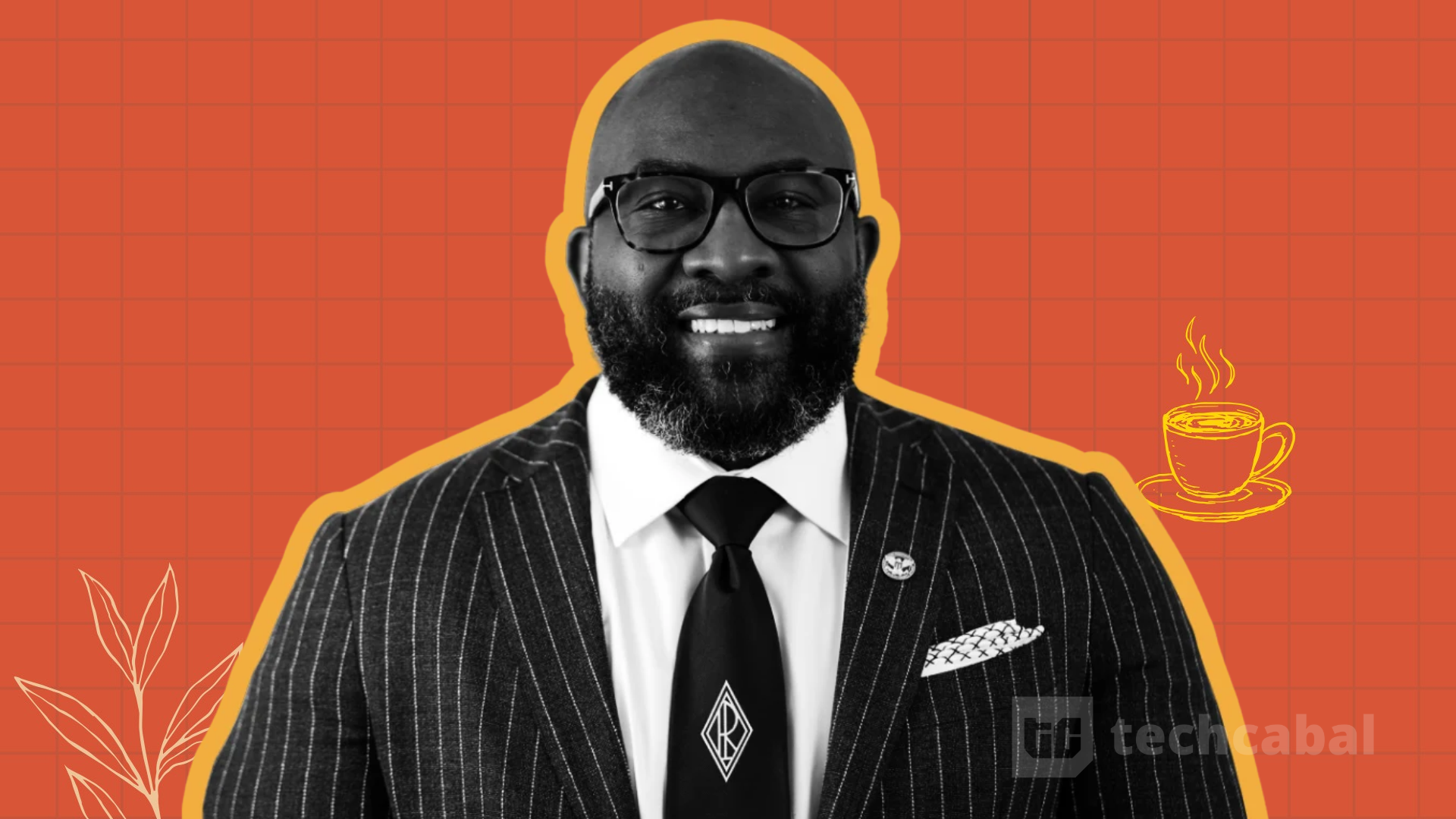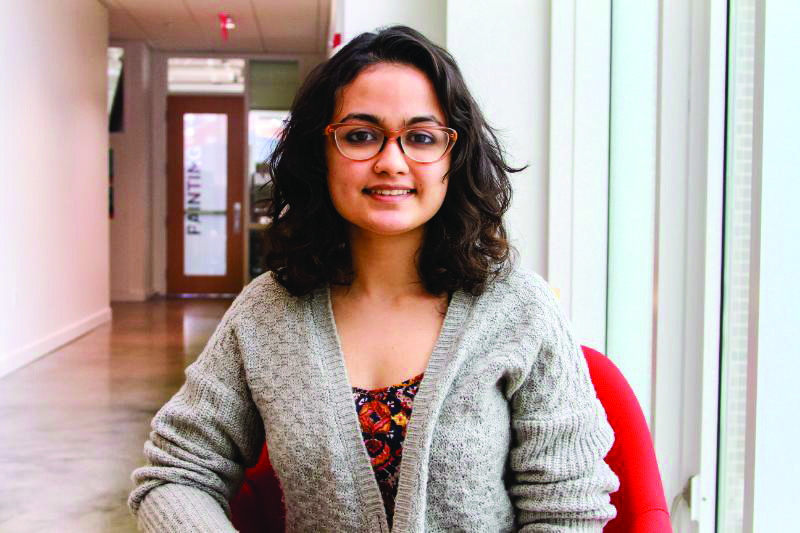
On the fourth floor of Bishop Magua on Nairobi’s Ngong’ Road, the offices of BuuPass—the Kenyan startup that digitised bus bookings—look out onto glass and concrete that now defines Kilimani. High-rise residential blocks stand beside new commercial towers, symbols of a neighbourhood that has become one of Nairobi’s busiest hubs.
When BuuPass co-founder Sonia Kabra welcomes me into her office, she carries the easy energy of someone who enjoys telling the story of how she got here. Lively and reflective, she speaks with gratitude about how far the company has come, and with the clarity of someone who believes the real work is still ahead.
Her story begins far from Nairobi. Kabra grew up in Jalgaon, a small town in India, where, she says, entrepreneurship was simply how people lived. In small towns, owning a business is almost the default, she tells me, and getting a job is what you do when you go to a big city.
She was good at school, the type who got leadership roles without trying too hard. Head Girl. Debate clubs. The usual overachiever checklist. But the first real disruption in her life came with a scholarship to the United World College in Hong Kong.
Imagine going from a homogenous Indian town to a classroom with students from nearly 80 countries. Still, none of this pointed toward bus stations.
The real turning point happened outside the classroom while at Earlham College in the United States. Her college didn’t have an entrepreneurship club, so she started one. There, she met Wycliffe Omondi, a Kenyan student, and together they discovered their lives had strange parallels.
The two would build BuuPass in Nairobi, digitising bus bookings across the region. Kabra laughs when people ask how a biochemistry graduate ended up fixing bus stations.
We spoke for close to an hour about the strange route that led a biochemistry graduate from a small Indian town into African bus stations.
This interview has been edited for length and clarity.
Your educational path is a fascinating map, from India to Hong Kong, to the US, and now Kenya. How did this geographical and cultural journey lead a biochemistry major to conclude that her life’s work was fixing the chaotic bus stations of East Africa?
I grew up in a small town in India called Jalgaon. Both my parents are entrepreneurs, and in small towns—whether in India or Kenya—owning a business is almost the default. Getting a job is something you do in the big city. That was my first influence: seeing that people open businesses as their profession.
I was always good at school and enjoyed leadership. I was Head Girl, for instance. I liked leading people and working with others. Then, I got a scholarship to the United World College in Hong Kong, a turning point. I went from a homogeneous environment to studying with people from nearly 80 countries. What struck me was how similar our problems were, despite coming from different cultures. I made many friends from developing markets—Latin America, Africa—and saw so many parallels in how we grew up and the challenges we faced.
People often find it strange that I studied biochemistry. For the longest time, I thought I’d become a doctor. In the US, I wanted to take the hardest major because I was good at school, and I enjoyed science and analytical thinking. But at my liberal arts college—where I had a full scholarship—I experimented. I interned at a hospital and in a lab. Both were great experiences, but I couldn’t see myself doing either long-term.
Around that time, I noticed our college didn’t have an entrepreneurship club, so I started one. That’s where I met my co-founder, Wycliffe. He had a similar trajectory: a small town in Kenya, UWC in Singapore, then Earlham College in the US.
That said, my biochemistry degree wasn’t useless. There are many transferable skills from studying an analytical subject like biochemistry to business: scientific thinking, experimentation, analysis, finding efficient pathways, and quantitative skills.
You’ve spoken about being guided by the Rumi philosophy to “set your life on fire and seek those who fan your flames.” Who have been the primary flame-fanners in your life, and was there anyone who tried to douse those flames when you entered a male-dominated industry straight out of college?
I’ve been incredibly lucky to have flame-fanners throughout my life. Both my parents always encouraged me to think about how I could be the best version of myself and reach my full potential. I never felt limited by gender stereotypes. My younger brother has also been very supportive. Then there are my friends, who’ve supported me from Hong Kong to the US. When we started the Entrepreneurship Club, professors and other supporters came alongside us. And now, my co-founder, our mentors, and advisors continue to be huge supporters. I try to create conditions where I can find people who give me energy—other founders, great investors, mentors—and take the best from them while also giving back.
As a startup founder, every day brings something that could dampen your spirits. An employee you thought would grow leaves for a big tech company. The economy shifts. Even the state of the world right now—we’re living in a crazy time. But I always say that as a founder, you have to be a little delusional. You need to find the positive, hope for the best, and prepare for the worst.
I remember early on, Wycliffe and I pitched to a respected bus operator. He looked at us and said, “You guys are too young. You don’t know what you’re doing. This is a stupid idea. It’s never going to work.” We could have let that kill our spirits, but we didn’t.
What was a specific moment when you realised that convincing a bus operator to digitise was less about the software’s features and more about understanding their deep-seated fears?
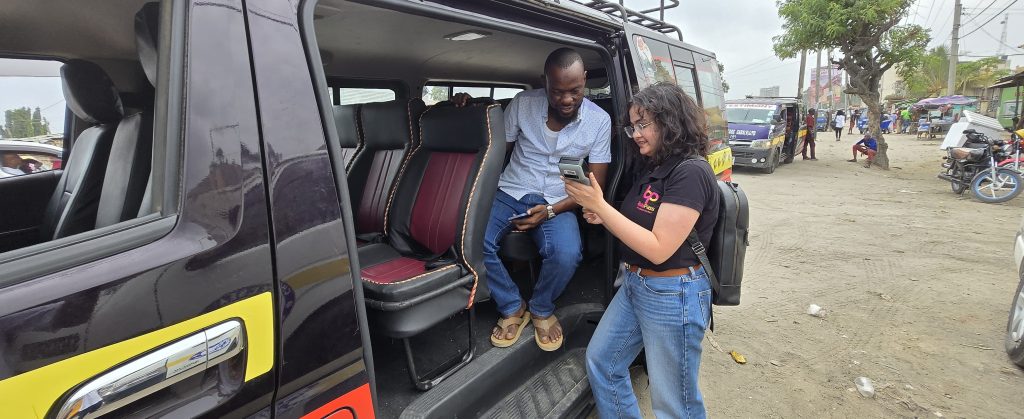
When we started BuuPass, we were thinking primarily from the passenger’s perspective—because that’s who we were. We were frustrated by waiting in traffic and having to go all the way to the CBD to buy a bus ticket. So that was our first intervention.
We got our first client, Easy Coach—a big bus company in Kenya—and a few others. But then we hit stagnation. We realised there was a bigger problem: bus companies were using pen and paper. They wanted to go digital but didn’t know how. Whenever we pitched, saying, “List on our platform and we’ll give you sales,” they’d respond, “Yes, you can give me sales, but I’m still losing money. It’s a leaky bucket. Putting more water in a leaky bucket just makes it leak more.”
That was a perspective shift. We realised we were a two-sided marketplace and needed to solve problems for both sides. We couldn’t just provide more sales; to be scalable, we needed quality inventory, which required digitising the bus operators first. Moving them from pen and paper to a digital solution was the essential first step.
That moment—getting all those “no’s,” going back to the drawing board, asking what they really needed, and building products around that—changed our trajectory and made us more scalable.
How tough was it?
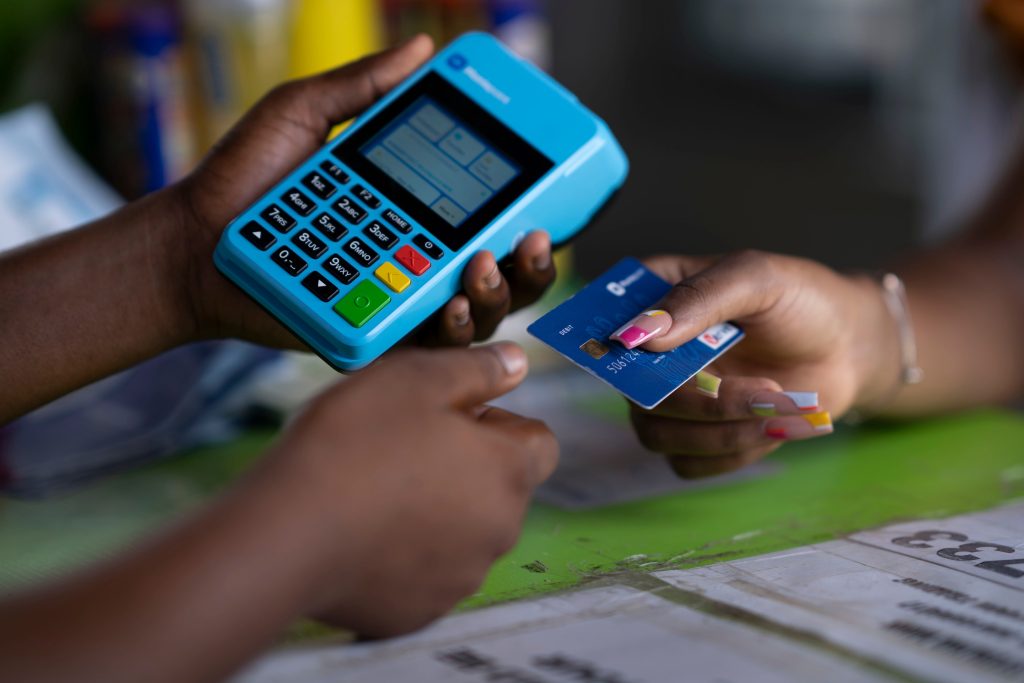
We’re not just solving for bus companies by providing a tech product. It’s also a lot of social engineering and changing people’s perspectives. Many of these companies are very successful businesses that have operated the same way for 10, 20, or even 30 years. It’s been working for them. Yes, there are frustrations and challenges, but the world is changing too—mobile money penetration has increased, internet usage is widespread, and almost everyone in Kenya has a phone. We identified that mismatch.
But we were dealing with decision-makers at cooperatives or family businesses—traditional businesses. We had to approach from a perspective of understanding their needs and building around that. Initially, it was difficult to convince them and demonstrate our value. But once the narrative shifted to “We can reduce your cash leakage, increase your margins, and give you more sales”—a win-win—we started seeing more traction.
When the pressures of building become overwhelming, is there a specific sensory experience—a smell, a song, a dish—that takes you back to a version of yourself before all of this?
Working in such a fast-paced environment, you’re always in your head, making decisions constantly. You’re not really aware of what’s happening in your body.
Music combined with dancing is a great way to get out of my head. Doing something physical—I definitely love dancing. Another is playing sports. I’m competitive, both as a founder and when I play paddle, for example. It takes me back to those childlike days of having fun playing games with friends.
And lastly, I love nature. Nairobi is such a beautiful city with places like Karura Forest. Going into the forest, just looking at trees—that visual, sensory experience anchors me and helps me ground myself.
You achieved profitability in 2021, navigating the pandemic that halted travel. Was that a moment of grim satisfaction, or was it the most stressful period of your career, knowing the entire ecosystem you were digitising was at a standstill?
When the COVID-19 pandemic hit, I remember thinking, “Oh, it’s only happening in Asia.” We had a whole plan for how we’d navigate it, keeping our people at the center. We tried not to lay anyone off, even if that meant going 100% remote, pay cuts, and cutting other expenses.
Travel was down 70%. The industry was in freefall—you couldn’t move between counties, which is literally our business. But reaching profitability afterward brought satisfaction. Starting from such a low point and then looking back, thinking “we did this,” says something about the kind of company we built and our resilience.
The downturn also pushed us to think of other revenue streams. We saw many operators move to parcels, so we launched our parcel booking solution for bus companies. That became a new revenue stream. Eventually, things opened up, we became profitable, and it validated something we’d suspected but couldn’t prove: that we could run a company with fewer resources and accomplish more.
During that time, we also started working with the M-PESA app—we were one of the first apps within their platform. That was a huge realisation: distribution is so important. Many founders focus only on product and solution, but distribution is key. Working with trusted brands in a low-trust market, that embedded distribution really worked for us. We’re now replicating that in other countries.
What was the toughest moment in BuuPass’s acquisition—was it the due diligence, the cultural integration, or the decision itself to cede control to an external team?
Even before all that, the first question was: Should we even do this? Is BuuPass at a stage where this makes sense? Are we big enough? There was a lot of self-doubt.
The opportunity came through one of our investors, and advisors helped us with due diligence. Going through that process took longer than expected. As a founder, you’re always trying to move fast, but this taught us patience. During due diligence, we had to truly understand the “why” behind the numbers: which revenue was relationship-dependent and which was structural and embedded?
Understanding the cultural and social architecture of the business was also important. Doing business in South Africa is very different from Kenya. We traveled there several times to meet the team, had multiple rounds of meetings, and eventually it made sense.
After acquisition, cultural integration is a long game. I wouldn’t say we’re 100% there, but we’ve made significant progress. Before this, we were basically a Kenyan company with a 100% Kenyan team. We had to educate ourselves on the South African context, and new team members had to figure out our way of working. But retaining great team members from South Africa showed us how operating in another country with strong leadership could work.
As co-founders, how do you consciously divide the chessboard so you’re not stepping on each other’s squares, and what’s the biggest disagreement that division has helped you navigate?
It’s always a balance. You need to be strategic and think a step ahead. It starts with self-awareness: what are you good at, what am I good at? Where are your networks stronger, where are mine?
Conventionally, we divide it like this: I focus on product, marketing, and fundraising. Wycliffe is excellent with business development, finance, operations, and government relationships. But that’s just the high-level division. We still sit together as overseers, making strategic decisions jointly and keeping each other updated. Once we align, we have the independence to execute quickly because we trust each other.
We have weekly sync-ups and monthly longer sessions where we realign. It also requires radical honesty. The easier path is to avoid difficult conversations or conflict. But when you trust that both of you want what’s best for the business and are aligned in direction, having those honest conversations while being respectful has been a huge pillar of our relationship.
What is the most common piece of advice you find yourself giving to young female founders that you wish someone had given you at 23?
Don’t be afraid to fail. As a founder, especially a female founder, you’re often trying to get everything right because not many people believe in you. But you need to be iterative, agile, and experimental. Get things out in the market, test them, get feedback, and iterate.
Another thing I realised later: do things that don’t scale. Paul Graham from YC made that quote famous. You might think you need the perfect launch plan, but what worked for us was literally going to bus stations, talking to people in line, and asking, “Why are you standing in line? You could use this solution.” It requires time and hard work, but it’s invaluable. Once you get your first 1,000 or 10,000 customers, then you can change your strategies.
Lastly, hire people who are smarter than you—but also hire for culture fit. Skill set is important, but if someone isn’t aligned with your company’s culture or what you’re building, if you can’t see yourself working with them long-term, it usually doesn’t work out, even if they have the best skills in the market.
Can you recall a specific decision at BuuPass that you projected total confidence about to your team, while internally being absolutely terrified that you were making a catastrophic mistake?
So many times. As a founder, you’re practicing leadership, and leadership means you’re responsible for many people—now we have 51 people who depend on BuuPass. There are countless times when you’re uncertain about how things will work out.
Thankfully, we’ve never had a catastrophic failure. But I remember signing a major telco in Kenya for a flight partnership. Initially, I thought our infrastructure was ready, and I was pushing hard for the sale. But in the back of my mind, I was thinking, “What if a million people hit this at the same time? Will our infrastructure scale?”
The telco wanted to run a crazy promo where you could go anywhere in Kenya for a very small amount. When it launched, so many people hit the servers that we had numerous issues. I’d been telling the team, “We need to launch, let’s get it out there.” But it was a huge lesson: you need to ensure your infrastructure is ready. We always follow that now.
For those five days of the promo, I didn’t sleep. I was going through each booking, making sure it worked, and manually confirming the ones that weren’t confirmed. That was probably one of those moments.
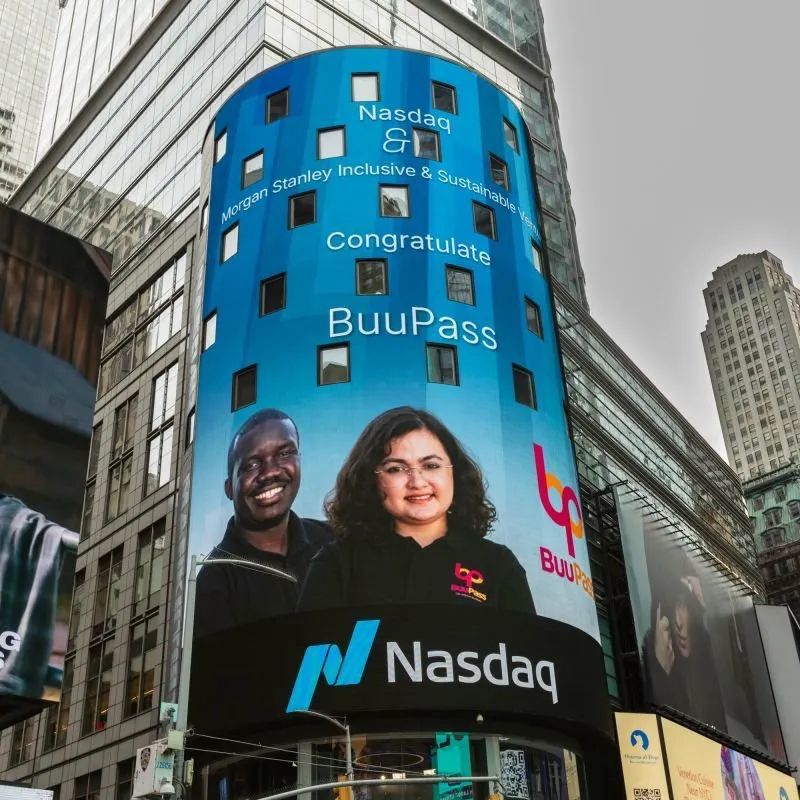
You’ve been on the cover of Business Daily’s Top 40 Under 40. Do you ever feel the weight of being a symbol—for women in tech, for Indian-Kenyans, for young founders—and does that feeling ever feel empowering versus burdensome?
I found out after I was selected. That was really heartwarming. It was an honor. But it also made me reflect: we don’t really take time to celebrate as a company or as founders, because we’re always thinking about the next thing. Even Olympians who win gold medals often think about what’s next instead of celebrating. It can make you feel like you’re never good enough. So I try to change my perspective and celebrate small wins while keeping the big goal in mind. Recognition like that definitely helps.
Some of my best moments have been at conferences when women come up to me and say, “When I was a student, I used BuuPass. I didn’t have to go to the booking office; I saved time, and I was able to build my own business. I didn’t know you were a woman founder, and that gives me even more confidence.”
There’s a balance, but telling your story isn’t just about business exposure—it’s about inspiring the next generation of entrepreneurs. Does it feel like a burden? Not so much. We’ve reached a stage where we need to tell more stories, get more people to know about BuuPass, and inspire others to start their own journeys.
The Buddhist tenets you’ve mentioned emphasise detachment and impermanence. How does that philosophy coexist with the relentless, attached drive of a founder trying to build a permanent, pan-African institution?
People often assume that philosophy creates passivity, and that ambition is always aggressive, like a war, very masculine. But it’s neither. Non-attachment doesn’t mean caring less. It means that when things go wrong, you’re not suffering.
Buddhist teachings are largely about human suffering. One of the biggest causes of suffering is attachment to a certain idea that doesn’t work out the way you expected. That’s the life of a founder. You think something will work, and it doesn’t. What matters is being ‘anti-fragile’—picking yourself up, learning, and moving on. There have been so many times we could have just been sad and thought, “This isn’t working.” Even now, many things we want to work out aren’t, but you have to keep pushing.
You can have a vision with enormous intensity without being emotionally hostage to the current state of progress. That philosophy has helped me stay involved while also taking a bird’s-eye view, stepping back, and thinking about what else can be done. One attachment founders have is to their product or to a partnership they thought would work out. This philosophy helps me maintain clarity, be present, and stay resilient. When things go wrong, I can get back up.
You can hold two things simultaneously: be very ambitious with a vision for yourself and the world—to solve transportation, to book the next billion trips in Africa—while also staying intellectually honest and fast through that philosophical grounding.

If you weren’t doing this—if BuuPass hadn’t worked out—what is the alternative-life Sonia doing? Is there a version of you that’s a research scientist, or does the pull of building things always win?
I’ve been thinking about this: who am I? What’s my essence? I don’t see myself in corporate or research. I think it would always have been me building something or trying something out. There are so many problems to solve in the world.
I truly believe entrepreneurship—though people think it’s all about making money—is also an act of resistance, an act of rebellion. It’s saying, “I’m not accepting things as they are. I’m going to make a change, and the way I’m going to make that change is by starting this business, creating this intervention.”
Transportation attracted me because of how it connects people to goods, services, and opportunities. Having grown up in a small town, I took long-distance transport all the time whenever I had big opportunities.
Honestly, I don’t know exactly what I’d be building, but I feel lucky that I get to do something that’s both intellectually and emotionally satisfying. I can’t imagine an alternate version yet.
Reflecting on your journey from a small town in India to leading a tech company in Kenya, has your understanding of “home” changed? Where or what feels like home to you now?
I left my parents’ home when I was 15. I’m 32 now. I’ve spent more years away from my hometown. Having lived in different countries, moved around, started an adventure, and started a business—it’s been a journey.
It’s cliché, but home is where your heart is. Nairobi has definitely been a home base. But I also adapt easily to other cultures and cities. As BuuPass expands, I see myself moving to other places for short periods.
What makes a home is the community you build around yourself—your people. For me, I feel at home through BuuPass, through the team I have here, through my friends, through the startup community, and all the support I’ve had. It’s almost like you work toward building your home in a metaphorical sense whenever you move to a new place.
If your journey with BuuPass were adapted into a film or a book, what would it be?
I think it would be a book. Films usually have a single climax and turning point, and then everything is okay. But that’s not how it works. There isn’t one point where it’s a happy ending. There are always complexities and different story arcs that keep emerging.
The title could be something like The Long Route. It wasn’t the fastest path, but it required building, understanding the market, and then building toward that understanding.
I envision BuuPass taking over Pan-African travel and transport. Maybe it would be one of those sci-fi series where you start in one place and then keep expanding into different universes, having different adventures, like Star Wars. It wouldn’t be just one book, but a whole series.
Has building BuuPass made you richer or more anxious?
Both at the same time. Both can be true simultaneously.
It would have been easier to take the corporate path with a predictable income and lifestyle. That could have made me literally richer faster than taking this more difficult route. But it has made me richer in the sense that I do something I enjoy. Even after eight years, I enjoy working, and I enjoy solving the problems we’re tackling.
But because I care about it so much, I wouldn’t call it anxiety, but it’s always there—checking, thinking, “What can I do today to push this forward?” It’s not anxiety so much as caring deeply and always looking for ways to move things ahead.
That said, one lesson I’ve learned in the last few years, especially on this journey of leadership and growing up, is that there comes a point when you need to step back and trust your team. Your role shifts from being very operational to building a team that can run operations. It becomes about finding the right people and being more strategic. In the last few years, we’ve reached a stage where that feeling has become much less.
What’s a question you wish investors or journalists would ask you, but never do? And, of course, what’s your answer to it?
Maybe: What has this cost you, and was it worth it?
I took a road less traveled. We’ve been building BuuPass for over eight years, navigating different challenges. But looking back, we’ve been able to unlock a traditionally very difficult market. We have great traction. Every day I look at the dashboard and think, “Wow, we’re doing so many transactions.” Some days we do around 40,000 transactions in a day. I remember our very first transaction, and now I almost take it for granted.
There’s the cost of navigating the boring stuff—operations, taxes—and the cost of being a woman in rooms that weren’t traditionally for women.
What was the cost? Probably sacrificing, especially in my 20s. I used to look at friends on Instagram who had jobs with predictable lifestyles. They had fun on weekends. It was easy for them to have a much better personal life. Meanwhile, even on weekends, I was deep in work, trying to solve something in a sprint, trying to deliver for a client.
But now, looking back, I have a much more satisfying life than many people who are now questioning what else they should be doing. And yes, it was definitely worth it—without hesitation. Not just because this company might make me rich—I hope it does, and that’s what my investors hope too, that we make this company massive—but also because of the change and impact we’ve been able to create. Through employment, through changing how transportation works, and through showing young founders, female founders, that this can be done.