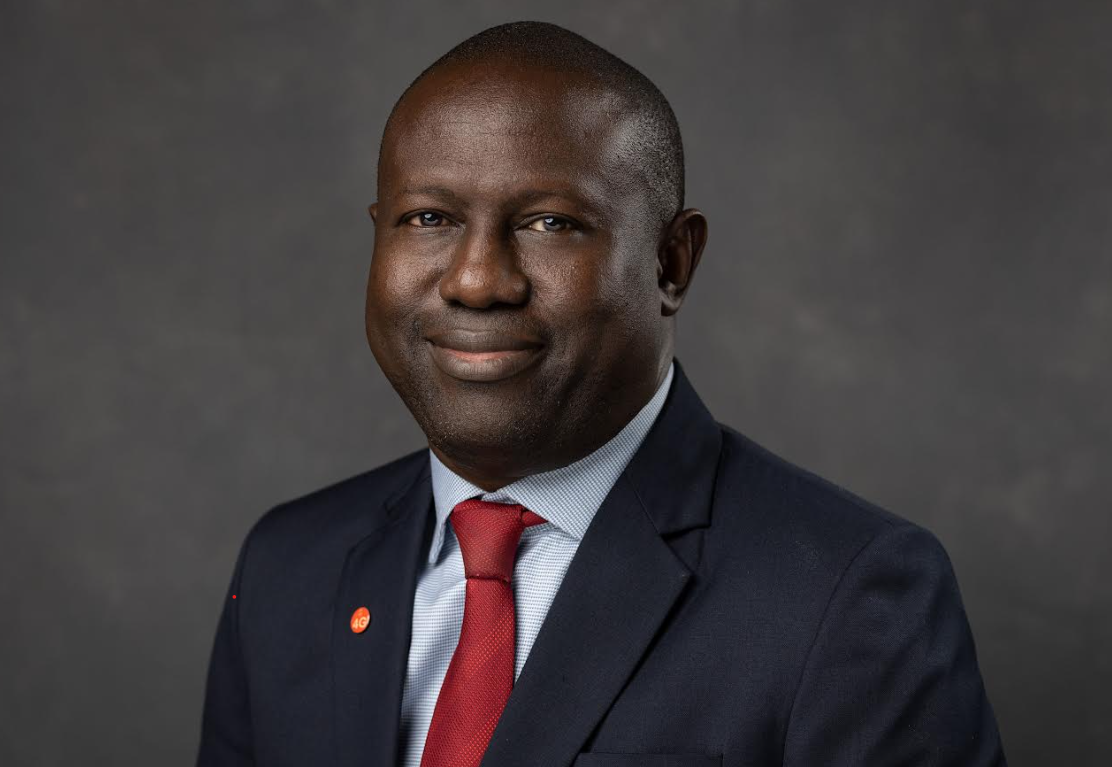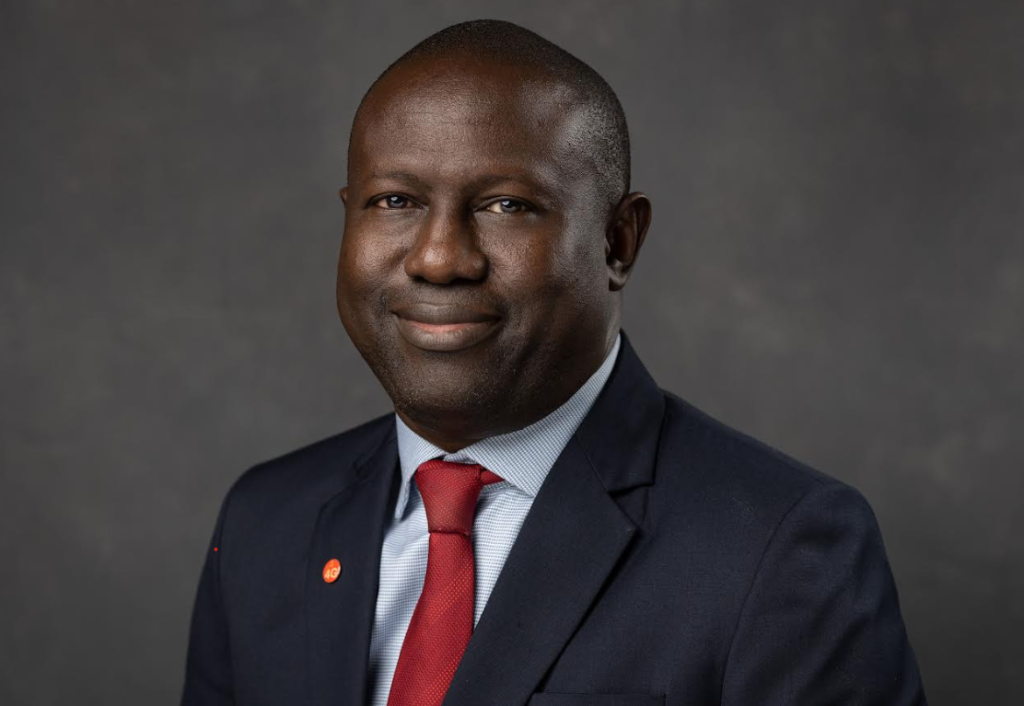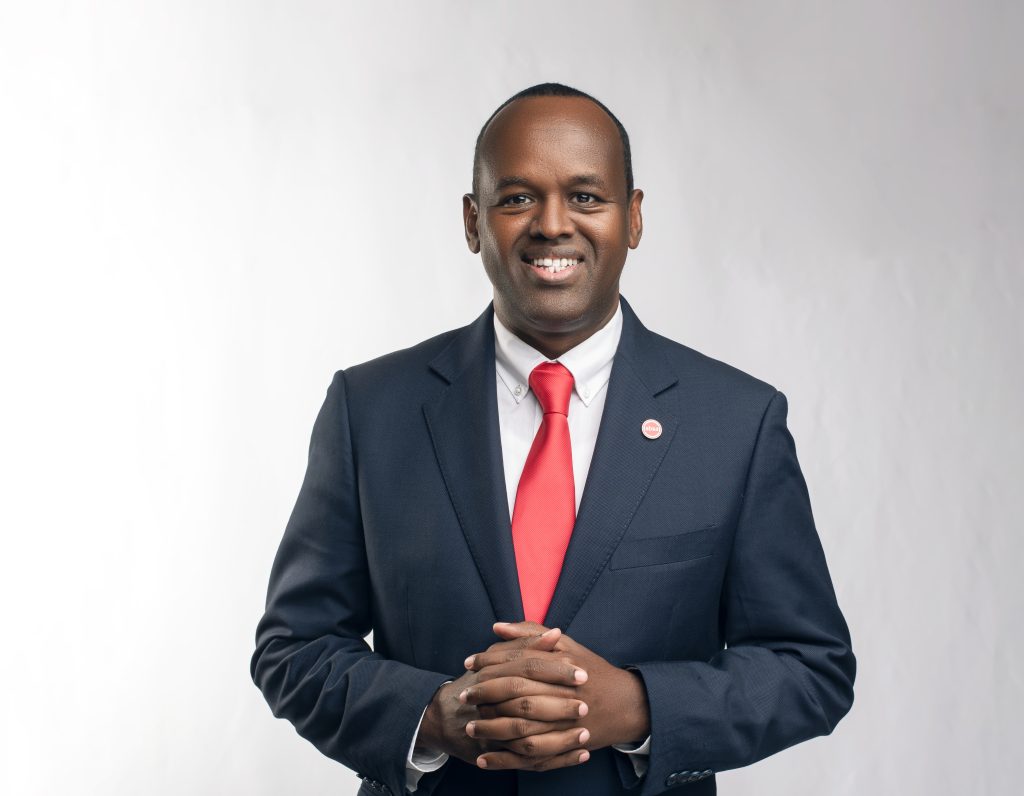
By Nicolas Albouze, Vice President, Middle East & Africa, Anthology Blackboard
Across the world, higher education is being reshaped by digital innovation. But in Nigeria, this transformation is not unfolding gradually; it is happening at scale, with clear intent and increasing impact.
The nationwide deployment of the Blackboard learning platform across public tertiary institutions is fast becoming one of the most significant pillars of the Federal Government’s broader effort to modernise the education sector. Beyond technology adoption, it represents a structured shift toward a more accessible, data-driven, and globally competitive university system.
At the centre of this transformation is a simple but powerful idea: that learning should no longer be limited by physical classrooms. Hybrid learning, combining face-to-face instruction with digital platforms, offers Nigeria a practical pathway to expand access to education while maintaining quality. For a country with a rapidly growing youth population and diverse geographic realities, this model is not just innovative; it is essential.
Recent engagements with key stakeholders, including the National Universities Commission and the Tertiary Education Trust Fund (TETFund), highlight how this initiative is evolving from a technology rollout into a core component of national education reform.
Today, hundreds of tertiary institutions across Nigeria are connected to a shared digital learning environment, serving millions of students and lecturers. This level of coordination places Nigeria among the largest digital learning ecosystems globally and one of the most ambitious in Africa. More importantly, it signals a deliberate shift in how the country approaches higher education.
From infrastructure to impact
In its early stages, the focus of the initiative was on deployment – ensuring institutions had access to a robust digital learning platform. That phase has largely been achieved.
The next phase is about impact. Universities are now using digital tools not just to upload course materials, but to manage teaching, assessments, and student engagement more effectively. Lecturers are increasingly integrating multimedia content into their teaching, while students are gaining the flexibility to learn at their own pace.
This shift is particularly significant in large university systems where traditional teaching methods often struggle to scale. But beyond improving the classroom experience, the real transformation lies in the data.
Digital learning platforms generate insights that were previously unavailable, offering visibility into student engagement, course activity, and academic performance. When aggregated responsibly, these insights can support better decision-making at both institutional and national levels.
For regulators like the National Universities Commission, this creates an opportunity to move toward more continuous, data-driven oversight of the university system, strengthening quality assurance while preserving institutional autonomy.
Supporting a broader modernisation agenda
The implications extend beyond education. Nigeria’s digital learning initiative aligns closely with the Federal Government’s broader agenda around digital transformation, transparency, and evidence-based governance.
Across sectors, there is increasing recognition that data is a critical asset for effective policymaking. In higher education, this translates into the ability to track outcomes, measure progress, and align academic output with national development priorities.
By enabling real-time insights and scalable infrastructure, platforms like Blackboard are helping to embed these capabilities within the education system. This is not just about improving universities – it is about strengthening the country’s human capital development strategy.
Expanding access, ensuring inclusion
As the system evolves, inclusivity remains a central priority. One of the advantages of digital learning is its ability to accommodate different learning needs. Through integrated tools such as Anthology Video Studio and accessibility features within the Blackboard platform, institutions can deliver content in multiple formats that support diverse learners.
Features such as captions, transcripts, and alternative file formats ensure that students, regardless of ability or learning preference, can engage meaningfully with course materials. At the same time, adaptive streaming technology allows video content to adjust to varying internet speeds, helping to address challenges related to bandwidth and data costs.
In a country where connectivity can vary significantly, these capabilities are essential for ensuring that digital transformation expands access rather than deepens inequality.
A leadership moment for Nigeria
From a continental perspective, Nigeria’s progress is significant. Few countries have undertaken digital education reform at this scale, combining national coordination, institutional participation, and technology integration within a single framework.
The result is a model that demonstrates what is possible when policy direction, funding support, and execution are aligned. Nigeria is not only transforming its own higher education system, it is also setting a precedent for other countries across Africa.
Looking ahead
The journey is far from complete. As emerging technologies such as artificial intelligence and advanced analytics continue to shape the future of education, they will open new possibilities for how knowledge is delivered and applied.
Hybrid learning will remain central to this evolution, providing the flexibility and resilience needed to meet future demands.
For Nigeria, the foundation has already been established. The progress made so far offers a clear indication that with sustained commitment, the country can build a higher education system that is not only more inclusive and efficient but also globally competitive.
In that sense, the digital transformation of Nigeria’s universities is more than an education story; it is a national development story.
And it is only just beginning.
Nicolas Albouze is the Vice President, Middle East & Africa, Anthology Blackboard