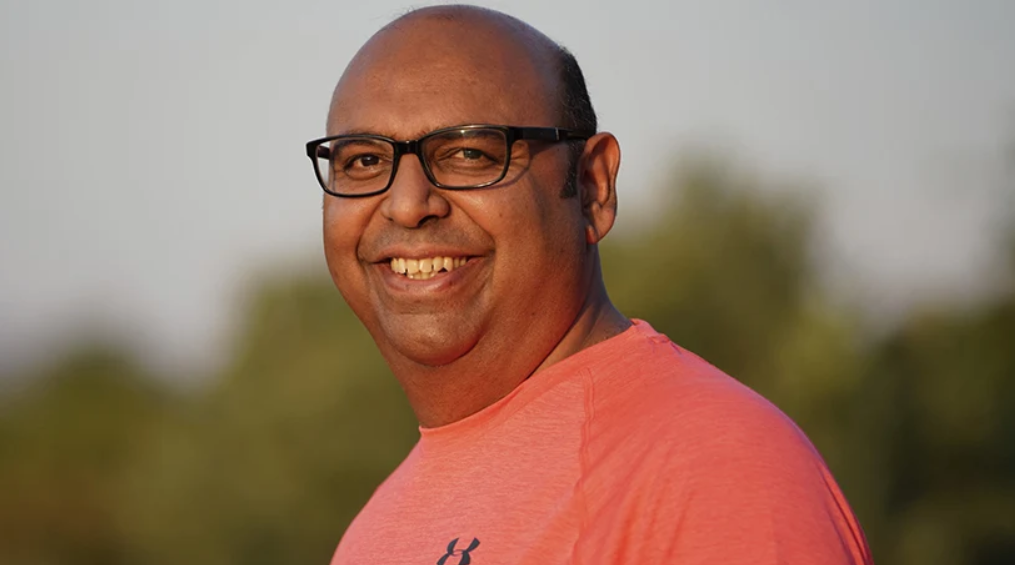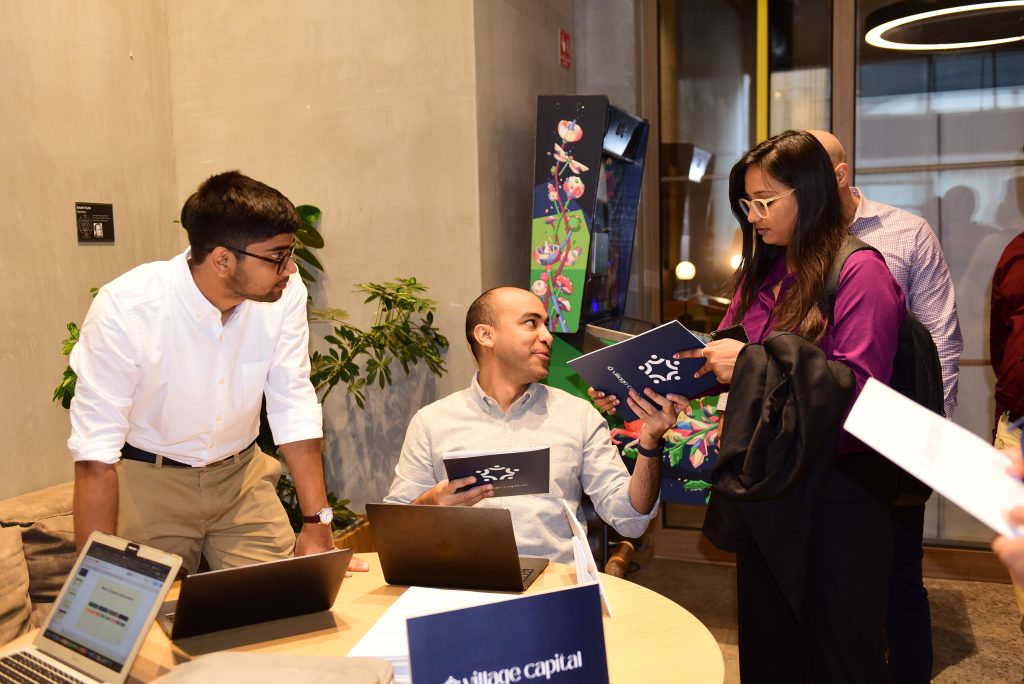
In 2025, I joined Mainstack as its first ambassador. At the time, there wasn’t actually an ambassador programme. Like many startups across Africa, Mainstack recognised that the creator economy was growing quickly and that creators could help drive awareness and adoption. So the company worked with creators on campaigns as opportunities came up.
The problem was that creators would post once and disappear. Some moved on to competing platforms. Others simply lost touch after a campaign ended. There was no long-term relationship, no community, and no clear way to measure whether those creator partnerships were creating lasting value. The more I looked around, the more I realised this wasn’t unique to Mainstack.
Across Africa, startups are launching ambassador programmes because everyone can see the creator economy booming. But many of these programmes are not actually programmes at all. They’re campaigns wearing ambassador programme clothing. And that’s creating a problem for both creators and the companies trying to work with them.
During my time working with Mainstack to build their ambassador programme, one thing became clear very quickly: the biggest challenge wasn’t finding creators. It was creating clarity. We started by building a structure. There were application systems, selection criteria, onboarding processes, community guidelines, performance tracking, and clear expectations around what success looked like.
That sounds simple, but it’s something many ambassador programmes never define. What exactly is an ambassador supposed to achieve? How is success measured? What value is the creator receiving in exchange for the value they’re creating? Without answers to those questions, programmes become frustrating for everyone involved. The creator is excited about the opportunity. The company is excited too. Everyone talks about partnership.
A few months later, expectations become unclear, communication becomes inconsistent, and neither side is entirely sure what success looks like. Eventually, the relationship fades away. This resonates even more strongly in the African context, where creators are often undervalued and underpaid. Many creators are still educating brands about fair compensation, proper contracts, and the reality that content creation is a business. Poorly designed ambassador programmes don’t solve those problems. In many cases, they reinforce them.
Creators end up feeling like distribution channels rather than strategic partners. The good news is that some African technology companies are beginning to approach creator relationships differently. One example is Selar.
What stands out isn’t just that Selar works with creators. It’s how intentionally it does so. The company has invested in affiliate systems that reward creators for driving real value. It regularly spotlights creators who are succeeding on the platform. It recently expanded its creator ecosystem by signing a Francophone ambassador based in Nigeria to strengthen its reach across French-speaking African markets.
More importantly, these decisions signal a commitment to building long-term relationships rather than chasing short-term visibility. They create opportunities for creators to grow alongside the platform instead of simply being brought in for a single campaign.

I saw a similar shift while helping build Mainstack’s ambassador programme. Rather than relying solely on one-off creator campaigns, the goal was to create a system that could support ongoing relationships, shared incentives, and measurable outcomes. Before I handed the programme over to the Mainstack team, more than 80 ambassadors had been onboarded.
That’s the shift more African startups need to make.
Because Africa’s creator economy is no longer emerging. It’s here.
Across Nigeria, Kenya, Ghana, South Africa, and beyond, and increasingly in markets like the United Kingdom, where African creators and platforms are building global reach, creators are influencing purchasing decisions, building communities, educating audiences, and driving business growth every day.
At the same time, more startups are turning to creators as a growth channel. The challenge is that ambassador programmes are scaling faster than many organisations understand how to run them. Too many companies are focused on recruitment rather than retention. They’re focused on content output rather than relationship building. They’re focused on getting creators into programmes without considering what keeps them there.
And that’s where the real opportunity lies. The future of Africa’s creator economy won’t be shaped by how many ambassador programmes companies launch. It will be shaped by the quality of the creator ecosystems they build. Creators don’t need another WhatsApp group. They need structure, clarity, fair incentives, and genuine opportunities to grow alongside the platforms they support. The companies that understand that will build sustainable creator ecosystems that last. The ones that don’t will keep wondering why creators post once and disappear.
Disclosure: The author is a former ambassador for Mainstack and has previously worked with Selar as a creator on their platform.