

Smart glasses are now in high demand. Meta and EssilorLuxottica sold over seven million AI glasses in 2025, more than triple sales for 2023 and 2024.
What used to be a camera bolted onto a pair of sunglasses can now give you turn-by-turn directions, translate a conversation as it happens, or let you reply to a WhatsApp message with a flick of your wrist. Meta has already put its Ray-Ban Display glasses in customers’ hands. Google is now moving to challenge that dominance with Google Intelligent Eyewear, its own eyewear line, built in partnership with Samsung.
If you’re trying to choose which smart glasses to get, this article is your guide. It breaks down the features of Google’s intelligent eyewear and Ray-Ban Meta glasses, and which is actually worth your money.
What is Google’s intelligent eyewear?
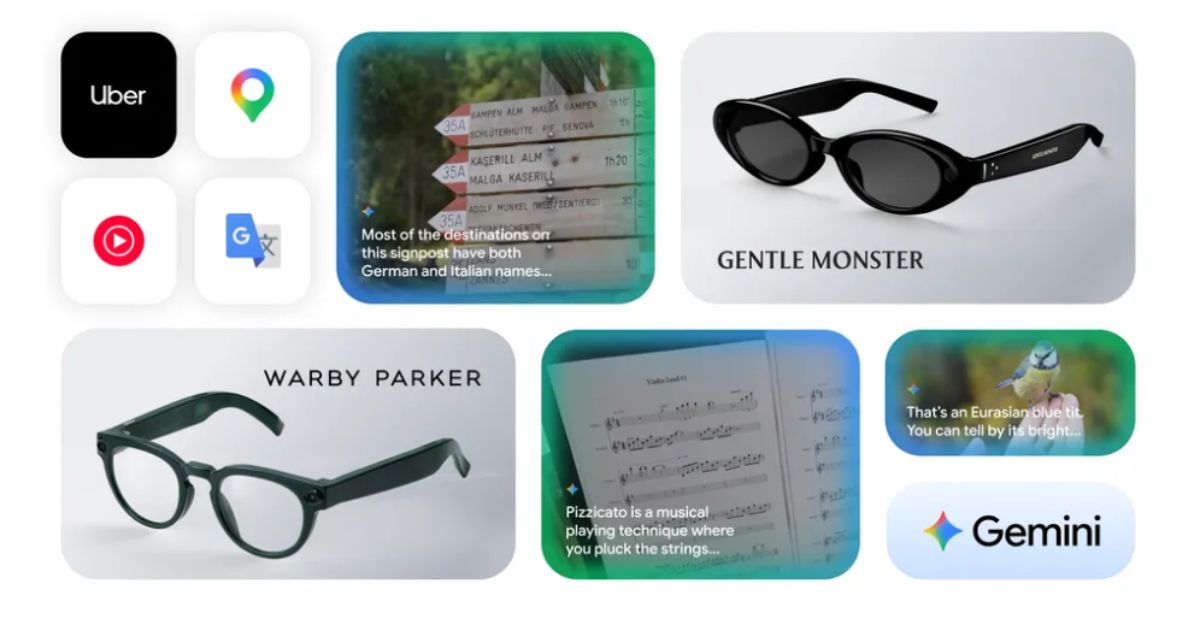
Google unveiled its plans at I/O 2026, branding the category “intelligent eyewear” rather than smart glasses.
There are two types: audio glasses and display glasses.
- Audio glasses have built-in microphones and over-ear speakers to deliver help directly to your ear and a front-facing camera.
- Display glasses that show information in the lens when needed.
The audio glasses launch first in September 2026. Both the audio and display glasses are built on Android extended reality (Android XR), the platform Google developed with Samsung and Qualcomm. Both glass types also run on Gemini, Google’s artificial intelligence (AI) assistant.
Users can activate Gemini by saying “Hey Google” or tapping the frame, then ask questions about their surroundings or have the assistant carry out tasks on their behalf. The hardware runs on Gemini 2.5 Pro paired with the Project Astra vision system, which enables real-time object recognition and contextual memory, so the glasses can recall where an object was last seen.
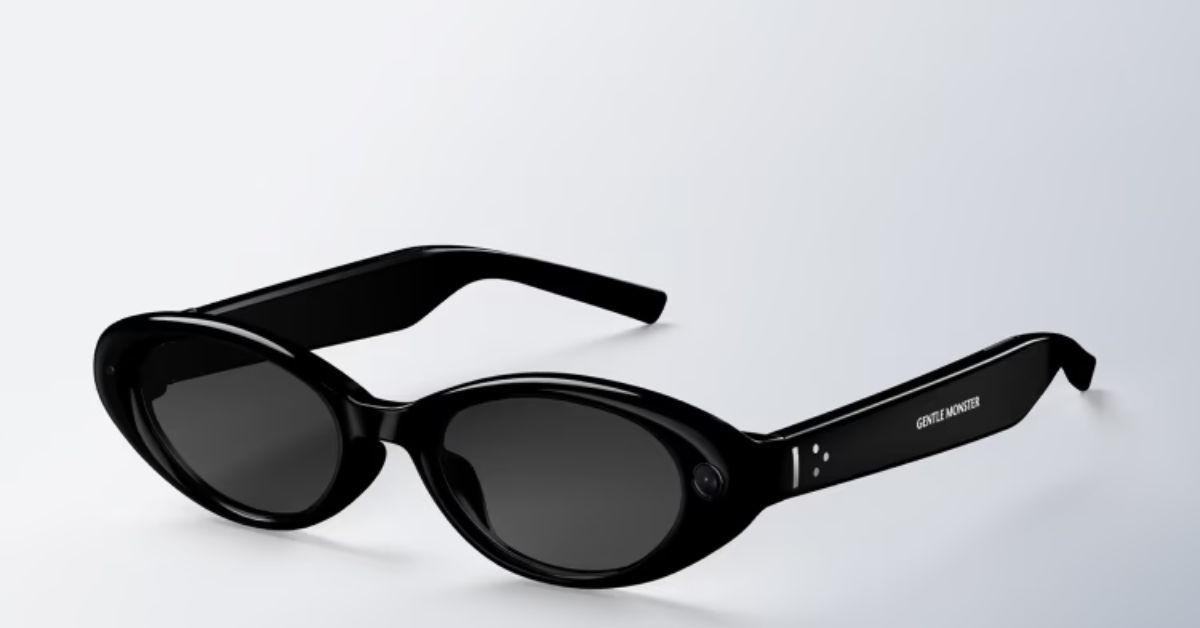
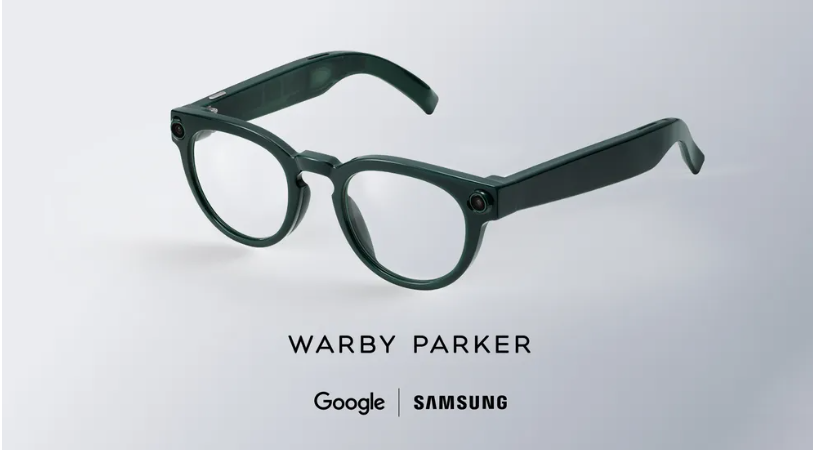
Google is not manufacturing the frames itself. The audio glasses are being built with eyewear brands Gentle Monster and Warby Parker, chosen for their design credentials rather than a tech-first aesthetic.
What are Meta Ray-Ban glasses?
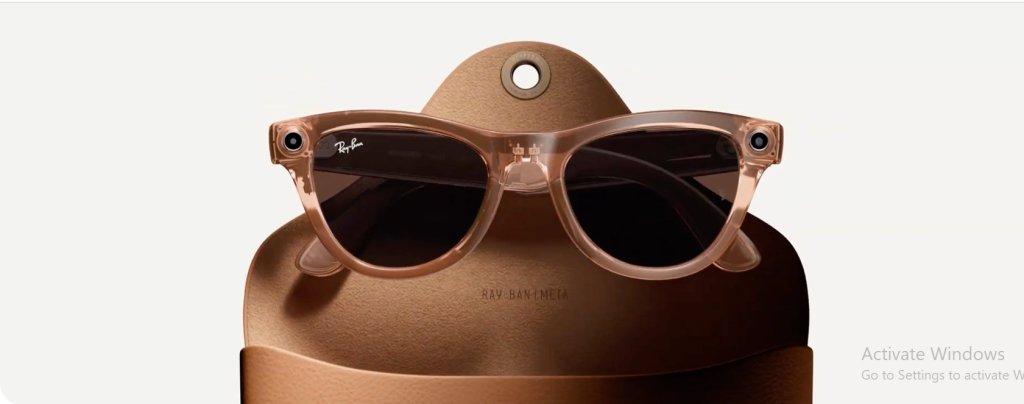
Meta Ray-Ban Display launched in September 2025, priced at $799. The glasses use a 600 by 600 pixel monocular display in the right lens, which offers a 20-degree field of view at 42 pixels per degree.
The glasses are controlled largely through the wrist rather than touch or voice alone. The Meta Neural Band reads electrical signals from the wearer’s wrist muscles, allowing them to scroll, select, and type using subtle hand movements rather than tapping the frame. Meta has since added a teleprompter feature and neural handwriting, which lets users send WhatsApp and Messenger messages by writing with a finger on any surface.
The camera captures 12-megapixel photos with 3x digital zoom, and the display doubles as a viewfinder. Battery life runs to roughly six hours of mixed use and up to 30 hours with the collapsible charging case. Beyond the flagship Display model, Meta’s wider 2026 lineup spans four product lines from $299 to $799, covering casual users, athletes and content creators.
Differences in hardware design and display
Meta has built its glasses around the Ray-Ban Wayfarer silhouette, a shape closely tied to sunglasses and lifestyle wear. Google, by contrast, is positioning its eyewear as a stand-in for prescription glasses, not just a fashion accessory worn outdoors.
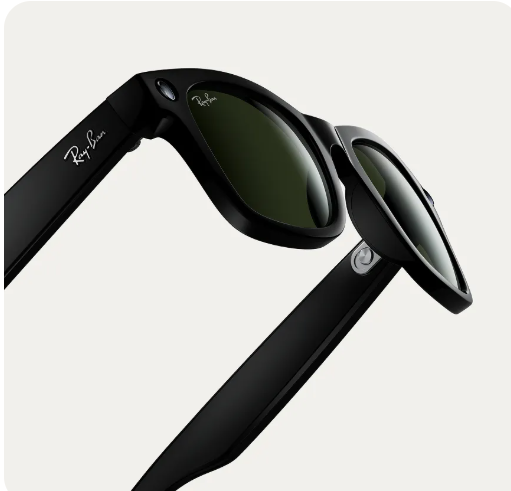
One industry view is that Meta pigeonholed itself into the sunglasses market with the Ray-Ban partnership, whereas Google’s glasses are meant to appeal even to people without prescription lenses. That distinction matters for everyday wearability, particularly for people who already wear corrective lenses and are unlikely to swap them for a sunglasses-first product.
Another difference between the two brands is the display. Apart from the Meta Ray-Ban Display smart glasses, Ray-Ban Meta glasses typically do not have an in-lens screen. Google, however, is actively working on a version of these glasses that integrates a small in-lens display. These will beam visual information, map routes, and display translated text directly into a user’s line of sight.
AI and software ecosystem
Meta’s Ray-Ban glasses are deeply integrated with the WhatsApp, Facebook, and Instagram platforms. Meta’s AI lets users stream directly to social media and use hands-free Meta AI for visual search and translation.
Google’s Gemini AI powers Google’s intelligent eyewear. These glasses leverage Google’s pre-existing ecosystem across Google Photos, Gmail, Google Maps, and Google Calendar. The in-lens display lets you read texts, view snap photos, and use real-time automatic language translation directly on the glass.
Software ecosystem and phone dependency
Both products lean on a smartphone for full functionality, but the depth of that dependency differs. Google’s audio glasses pair with both Android and iOS phones and can tap into apps like Uber and Mondly using voice commands routed through the connected phone. That cross-platform support is notable, since Android XR’s deeper display features are widely expected to favour Android handsets first.
Meta’s glasses similarly require a companion app. Users need a compatible smartphone with the Meta AI app installed, a Meta account, and an internet connection to access translation and other cloud-enabled features.
Differences in pricing and availability
Meta’s pricing is public, and the product is already in stores. Meta Ray-Ban Display is currently limited to select US retailers including Best Buy, LensCrafters, Sunglass Hut, Ray-Ban stores, and Meta Lab.
Google, on the other hand, is set to launch its intelligent eyewear in Fall 2026.
Final thoughts
The smart glasses you should pick depend on what you need the glasses to do and how long you’re willing to wait to get them.
If you want something you can wear today, Ray-Ban Meta glasses are the practical choice, since Google’s intelligent eyewear is not yet on shelves. If you already wear prescription lenses and want a device built to replace your everyday glasses rather than sit on top of sunglasses, Google’s approach is closer to what you’re after, once it ships.
If your daily life runs through WhatsApp, Instagram, and Facebook, Meta’s integration with its own apps will feel more useful to you. If you’re more embedded in Google Photos, Gmail, Maps and Calendar, it may be worth waiting for Google’s intelligent eyewear instead.
Budget matters too. Meta’s lineup starts at $299 for the camera-only Ray-Ban Meta Gen 2, with the full Display model at $799. Google hasn’t announced pricing for any tier yet, so anyone comparing on cost alone has only half the picture. For now, Meta wins on availability.
True scale demands moving beyond surface-level integrations to robust execution. We’ve filtered the noise out of Moonshot 2026, optimising the conference strictly for high-calibre connections between startup founders, global financial operators, enterprise leaders and individuals rewiring Africa’s technical frameworks.
Get 20% off Early Bird tickets for a limited time.