


Botswana’s Innovation Fund (BIF), a government-backed innovation financing institution, and investment firm Scalar International have launched the Scalar Botswana Innovation Program (SBIP), a 12-month venture programme to support 10 climate and digital technology startups.
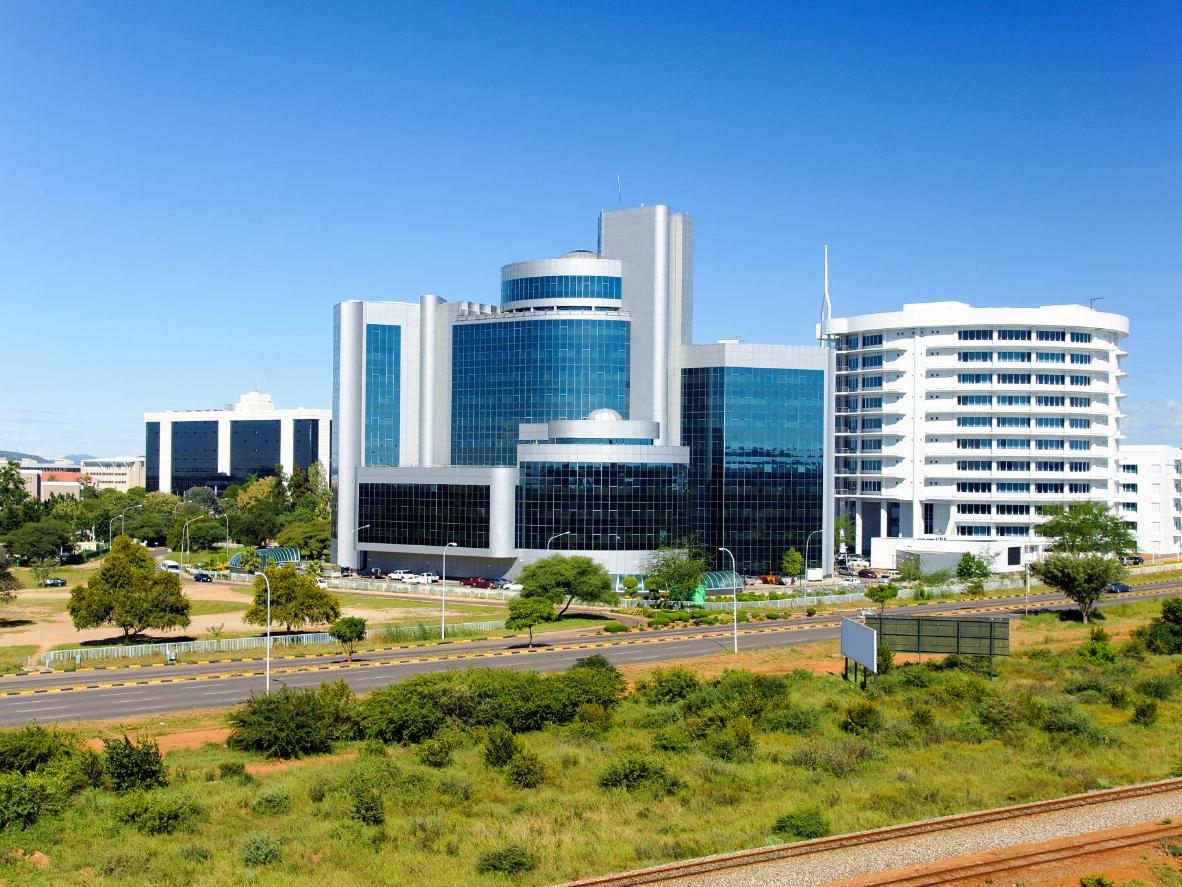
The programme, which launched on March 10, 2026, in Gabrone, Botswana’s capital, will connect selected startups to a $150 million decarbonisation investment fund aimed at scaling innovative solutions across Southern Africa. It forms part of Botswana’s broader strategy to position the country as a regional hub for climate and technology innovation across Southern Africa.
The launch comes as Southern Africa works toward the Southern African Development Community (SADC) 2030 goal of universal electricity access, emphasising mini-grids, solar rooftops, and off-grid solutions. Despite progress, nearly half the region’s population still lacks reliable electricity, and about 59% of the region’s energy comes from coal, with Botswana primarily powered by coal-fired plants.
By supporting startups at the intersection of energy and digital infrastructure, SBIP seeks to accelerate the adoption of sustainable technologies that can improve energy access and strengthen regional resilience.
“This program reflects a deliberate evolution in Botswana’s innovation strategy,” said Thulagano Merafe Segokgo, Botswana’s Minister of Communications and Innovation. “We are positioning innovation as a central driver of economic transformation, aligned with our national priority plans and the Botswana Economic Transformation Program, to accelerate diversification, industrial competitiveness, and sustainable growth.”
The SBIP will guide selected startups through a structured 12-month pipeline, taking ventures from ideation and prototype development to commercialisation and investor readiness. Participants will refine concepts, test prototypes, develop minimum viable products, and receive mentorship from industry experts, market intelligence, and guidance on regulatory compliance, financial modelling, and customer acquisition.
The programme will focus on startups building renewable and distributed energy solutions such as micro-grids, alongside digital and data-driven technologies, including fintech, artificial intelligence, and other deep tech applications. It will also support innovations in energy efficiency, water management, regulatory compliance, and broader digital infrastructure.
Candidates will be assessed based on innovation, business strategy, team strength, technical feasibility, and market readiness, with priority given to startups that have reached a minimum technology readiness level (TRL) of 4 or 5, meaning they have moved beyond early-stage concepts to validated prototypes.
Startups demonstrating strong growth potential may access Scalar International’s Africa Decarbonisation Fund I, a $150 million private equity fund that finances sustainable infrastructure projects across the SADC region. The fund was launched in 2025 in partnership with Mergence Investment, a South Africa-based asset management firm.
“Our collaboration with the BIF is designed to integrate venture-funded innovation with impact-oriented private investment, creating a robust incubation-to-investment pipeline. For us at Scalar International, it’s about turning African climate solutions into investable, scalable enterprises,” said Hubért Gutsa, Chief Executive Officer of Scalar International.
Through the fund’s technical assistance facility, local participants will also be trained to scale solutions in their communities, with an expected creation of 15,000 full-time jobs across the region by 2030.
Applications for SBIP are open to startups across Southern Africa and the wider African continent, provided selected ventures establish a Botswana domicile during the programme.
The launch adds to a growing ecosystem of climate tech funds and accelerator programmes across Africa, which attracted about $1.1 billion in funding in 2025, as investors increasingly back startups tackling energy access as critical economic infrastructure, with programmes like SBIP aiming to help close persistent gaps in clean energy across Southern Africa.