Safaricom, Kenyaโs largest telecoms operator, is pushing deeper into the low-cost broadband market with internet plans starting at KES 800 ($6) a month, competing with smaller internet providers and estate Wi-Fi operators that have long served price-sensitive customers.ย
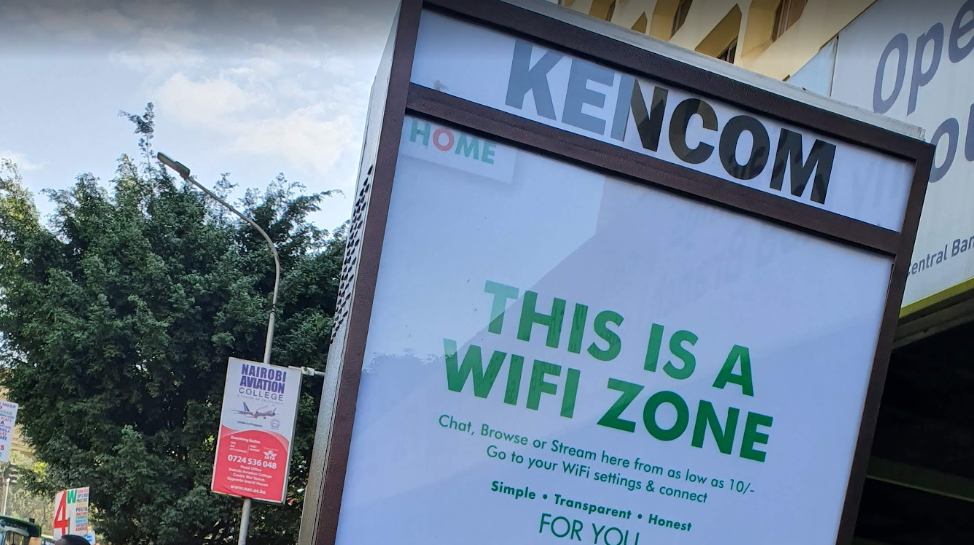
The company is also testing a pay-as-you-go internet service called Wi-Fi Bamba in low income areass, including Kawangware, Kangemi and Kiambu Bus Park. The pilot has more than 800 active users, targeting budget-conscious customers and people in high-footfall areas such as markets and bus parks, Safaricom told TechCabal on Friday.

The move pits Safaricom against operators like Vilcom, Ahadi Wireless and Poa! Internet that have built businesses serving price-sensitive households, one of the few parts of Kenyaโs internet market where the telecom giant has not enjoyed the same dominance it holds in mobile services.
โWi-Fi Bamba is currently in the pilot phase within densely populated areas of Nairobi and Kiambu, specifically Kawangware, Kangemi, and Kiambu Bus Park,โ Safaricom told TechCabal in a statement. โSubject to a successful and commercially viable pilot, we plan to scale the product to similar neighbourhoods across Kenya.โ
Safaricom said its entry-level products include Wi-Fi Bamba and Fibre Lite, offering speeds of between 10 megabits per second (Mbps) and 20 Mbps for KES 800 ($6) to KES 2,000 ($15) a month. The company doubled speeds across the packages in May without adjusting monthly prices.
While Fibre Lite is available in selected affordable housing developments and lower-income estates, Wi-Fi Bamba remains limited to pilot zones in Nairobi and Kiambu. Safaricom said it plans to expand the service to similar neighbourhoods across the country if the pilot proves commercially viable.
Unlike traditional home fibre products, Wi-Fi Bamba does not require installation, a router or a subscription. Customers within coverage areas can connect directly from their devices, select a browsing package, pay through M-PESA and begin using the service immediately. The service is delivered through wireless access points fed by fibre connections running through Safaricom’s base station network, according to the company.
โWi-Fi Bamba is delivered via radio technology, backhauled through fibre connectivity at Safaricom base stations and distributed through a network of access points,โ the telco said.
Unlike mobile services, where Safaricom controls 66.8% of mobile subscriptions, fixed broadband remains fragmented. According to data by the Communications Authority, the company held a 34.9% share of fixed internet subscriptions at the end of 2025, ahead of JTL’s 20.1%, Wananchi Group’s 11.1% and Poa! Internet’s 10.7%.
In fixed broadband, smaller operators have carved out positions by focusing on specific neighbourhoods, customer segments and pricing tiers.
The target market for Safaricomโs new products overlaps with the customer base served by Poa! Internet and tens of estate-based internet providers, many of which compete on affordability, flexible payments and localised service.
Lower-income neighbourhoods have already produced sizeable broadband businesses. Poa! Internet had 263,305 subscribers at the end of 2025, while Ahadi Wireless and Vilcom served 222,060 and 133,316 customers respectively, according to Communications Authority data. Their growth has helped attract larger operators such as Safaricom to the segment.ย
The low-cost plans also offer Safaricom a way to attract households that may still rely primarily on mobile data or informal neighbourhood internet networks.
If the pilot expands beyond its current locations, Safaricom will be entering a market segment that smaller internet providers have spent years building, setting up a new contest for customers at the lower end of Kenyaโs broadband market as demand for home internet continues to grow.