With an investment model built on revenue-share and IP equity and an image rights licensing platform in development, Lagos-based GAAGA World is not pitching a better agency. It is pitching a new category.
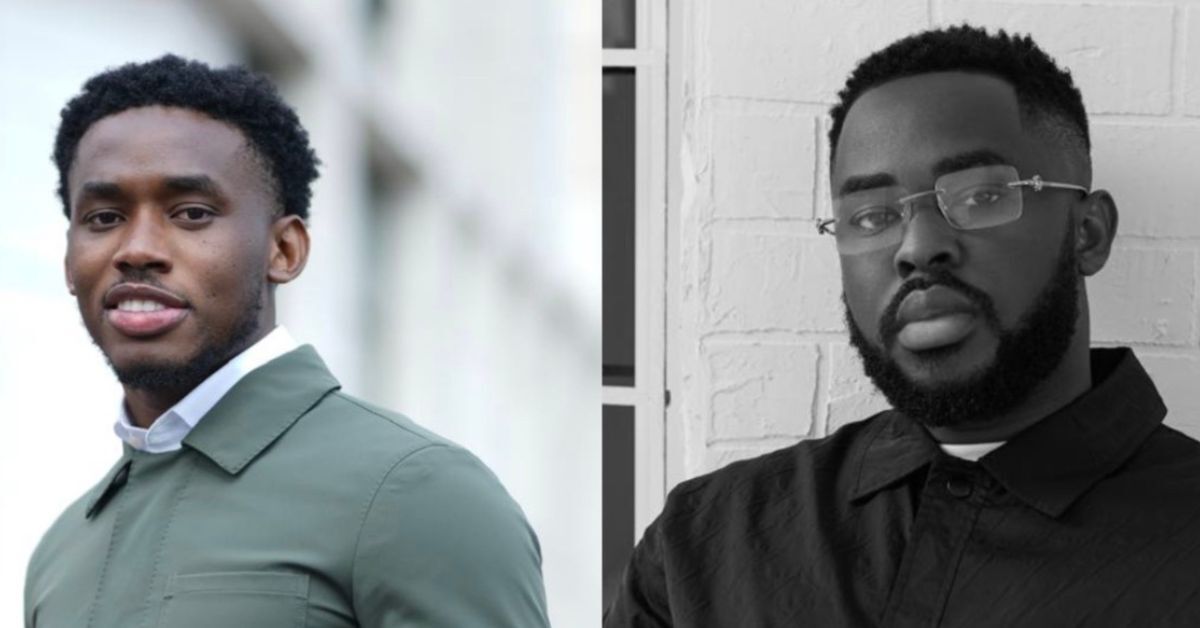
The pitch for GAAGA World is not subtle. Africa’s creative economy is heading toward $2.6 trillion by 2030, according to the African Development Bank. The global creator economy is already valued at around $500 billion, per Goldman Sachs. And yet, the operational infrastructure that would allow African creators to capture a meaningful portion of either figure has never been built. GAAGA World, founded in Lagos in 2025 by Damilare Adeyemi and Alese Ayomide Salban, is the company that says it is building it.
The comparison the founders reach for most often is Y Combinator: not the specific mechanics of a batch programme, but the institutional function. A company that the most ambitious people in its space choose first, because it is built to take their ambitions seriously and has the infrastructure, the capital, and the network to help them execute. What YC became for technology startups globally, GAAGA World intends to become for African creative talent. It is a large claim. The architecture behind it is more specific than the headline.
Most talent agencies in Nigeria operate on a commission basis. They take a percentage of what a creator earns from deals, appearances, and brand partnerships. The incentive is to maximise near-term earnings. Long-term career building is secondary. GAAGA World’s model is structurally different. The company provides capital through revenue-share agreements and IP equity, meaning its returns are tied to the long-term value of what a creator builds, not just what they bill in a given quarter. No upfront costs to the creator. The financial risk sits with GAAGA World.
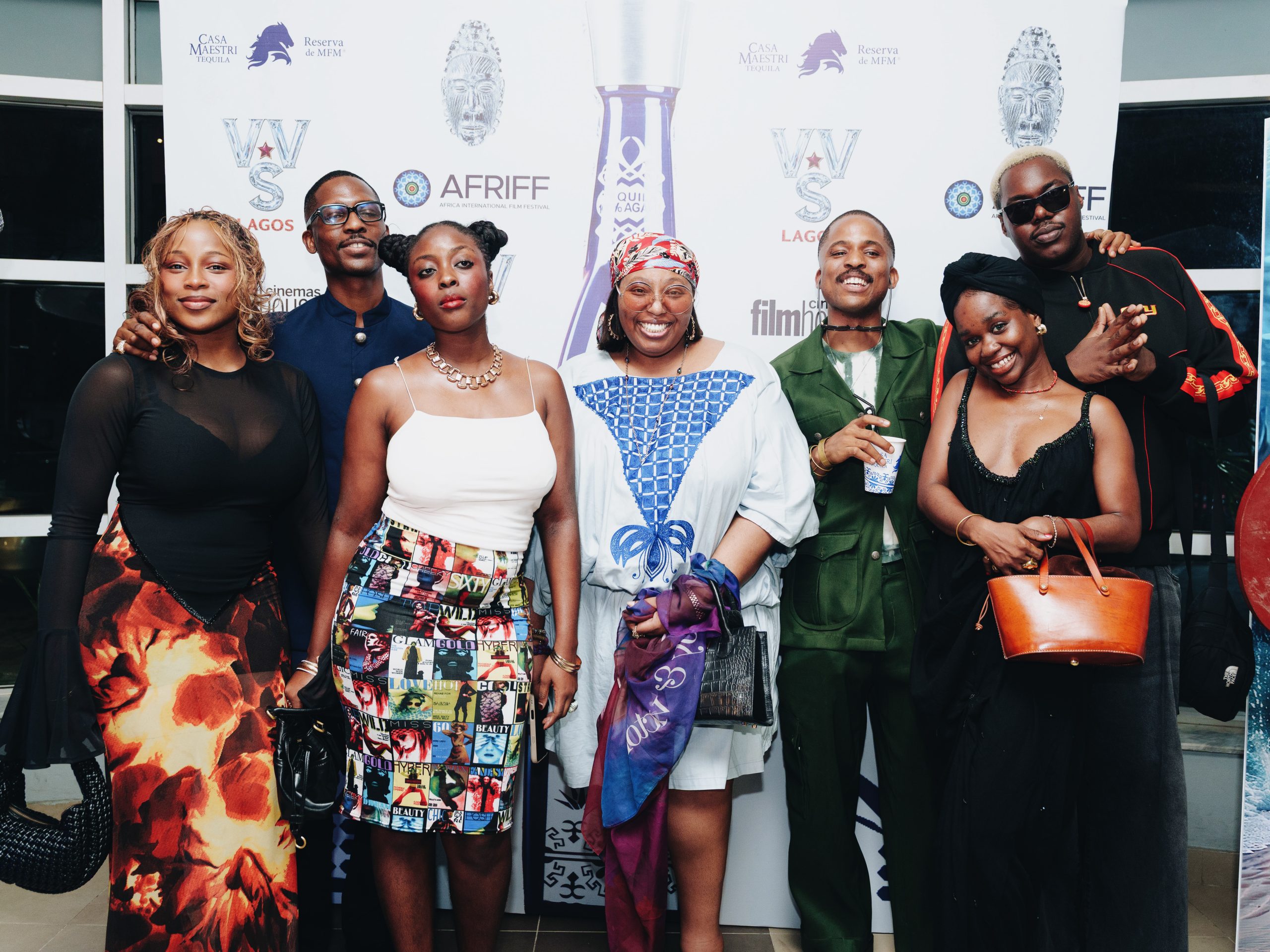
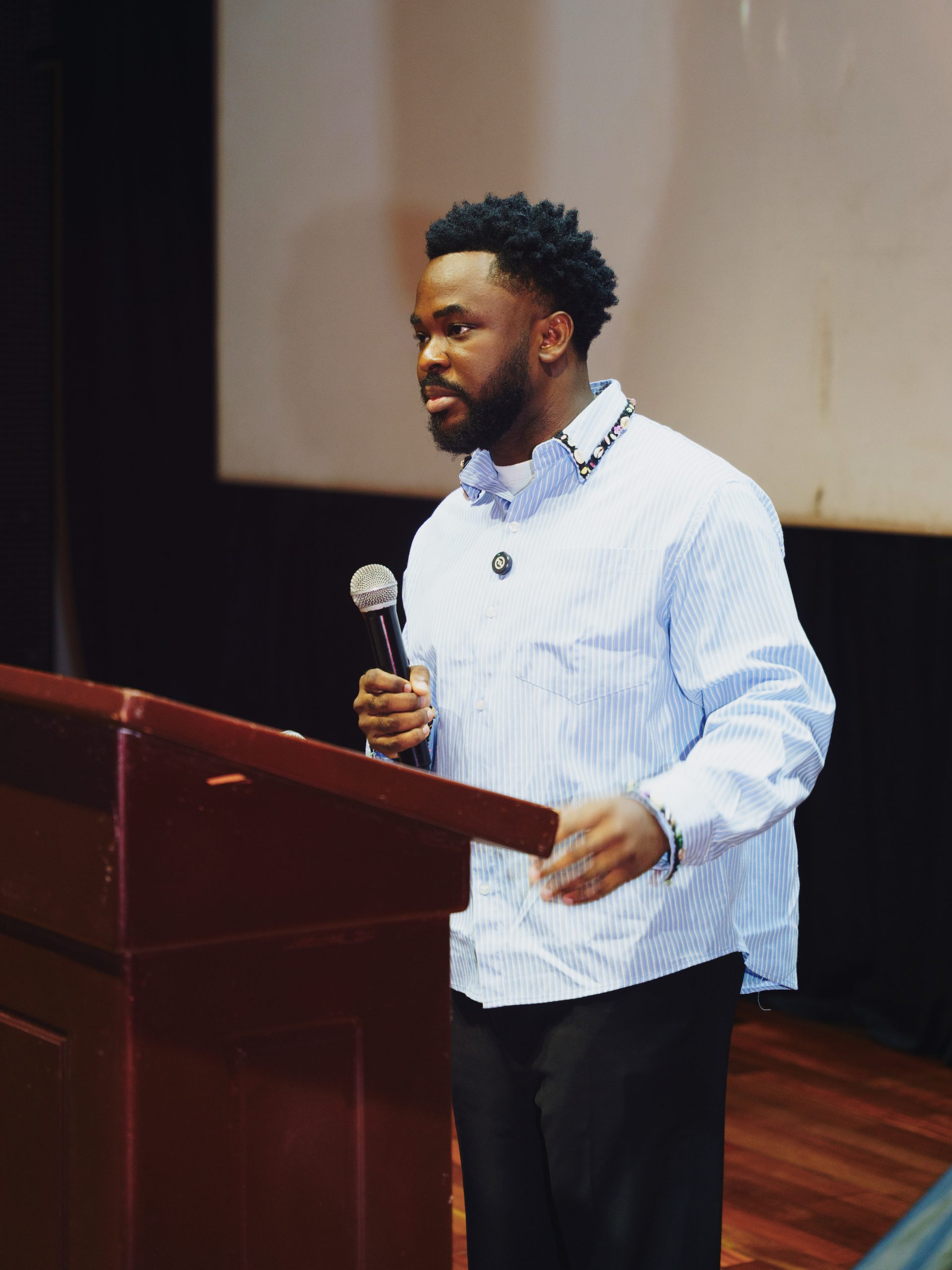
Adeyemi, who holds a Master’s in Data Science from the University of Salford and brings experience from the fintech sector, frames the alignment plainly. ‘If we earn when our creators earn, we have every reason to build something that lasts. That is not how traditional management works in this market. We are on the same side of the table as our talent, and that changes everything about how decisions get made.’ He and Salban have been close since childhood, a friendship spanning more than fifteen years that informs both the trust behind the partnership and their shared frustration at watching Nigerian creative talent go unrewarded at the structural level.
The Image Rights Licensing Platform is one of the more forward-looking elements of GAAGA World’s pitch to the tech and investor community. The concept draws on the royalty structures that exist in the music industry: the idea that a creator’s image, personal brand, and visual identity constitute a formal, recurring asset that can be catalogued, licensed, and monetised over time, not just in one-off deal transactions. The company points to precedent. Khaby Lame, the Senegalese-Italian creator who became the most-followed person on TikTok, reportedly sold his image and digital rights for approximately $975 million, a number that captures what it looks like when creator IP is treated as a serious, tradeable asset class.
Adeyemi is careful about the timeline. ‘It is not in play yet. There are structural and regulatory questions to work through, especially in a market like Nigeria where the concept of image rights is still not well established. But the underlying logic is sound, and we think it is one of the more significant opportunities in this space over the next five years.’
Salban, who studied marketing and has been close to the Lagos creative scene for years, describes the market gap from a different angle. ‘A creator who only reaches a Nigerian audience gets priced in line with Nigerian consumer purchasing power. That is not a global platform discriminating against African talent. It is a logical outcome of where the audience is. The way to change the pricing is to change the reach. And the way to change the reach is to build the production quality, the distribution strategy, and the professional infrastructure that gets the content in front of international audiences. That is what we provide.’
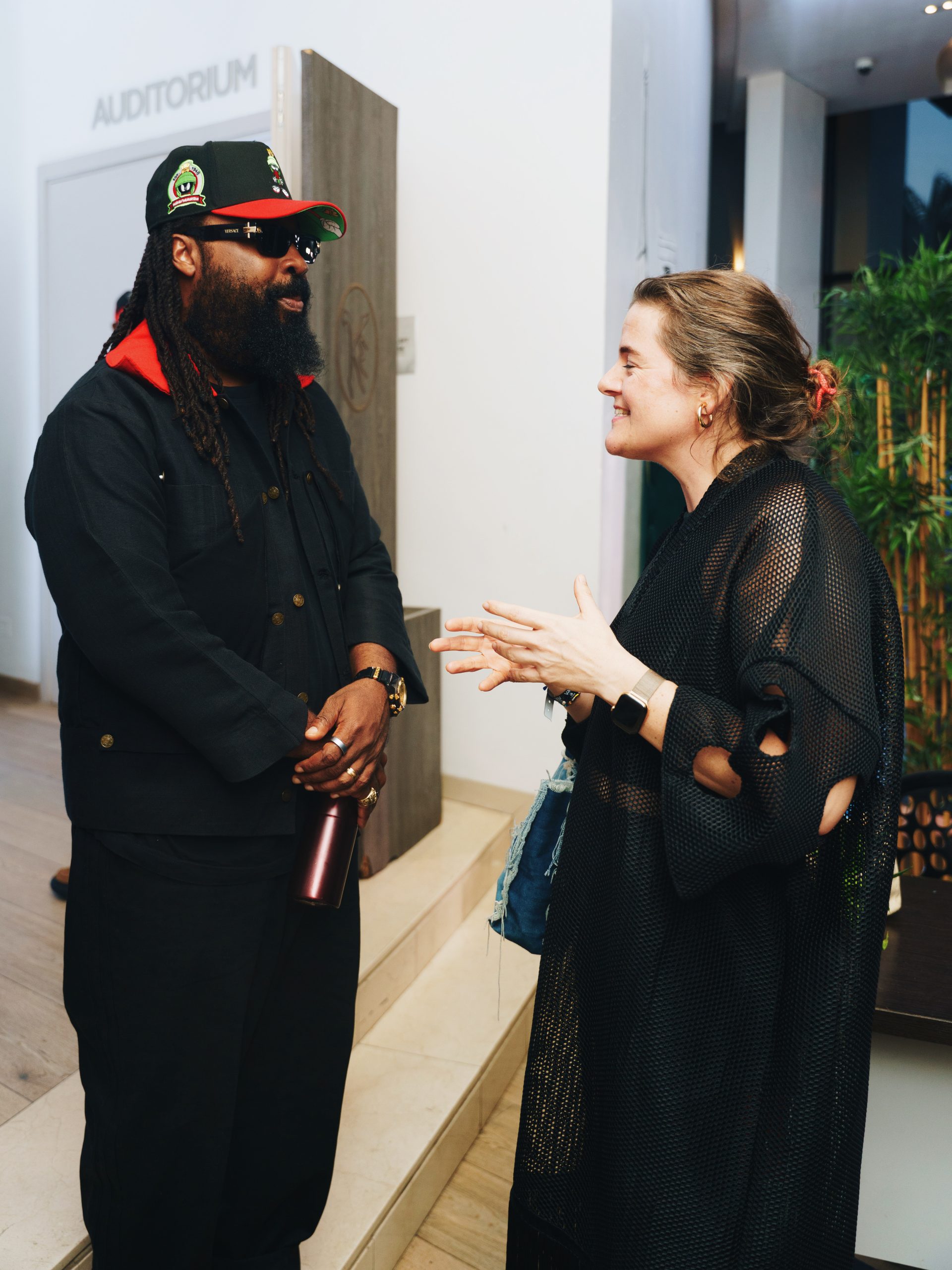
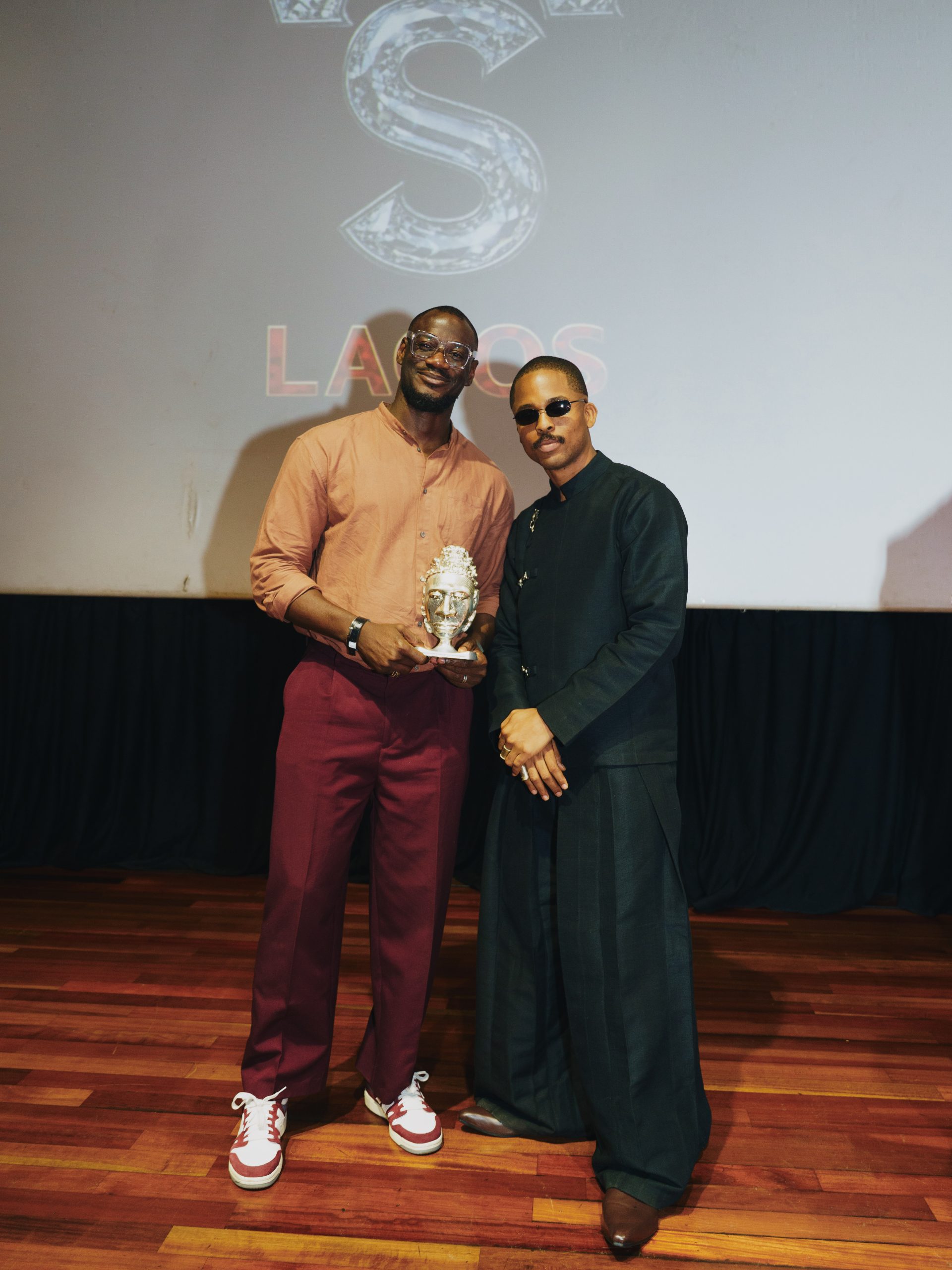
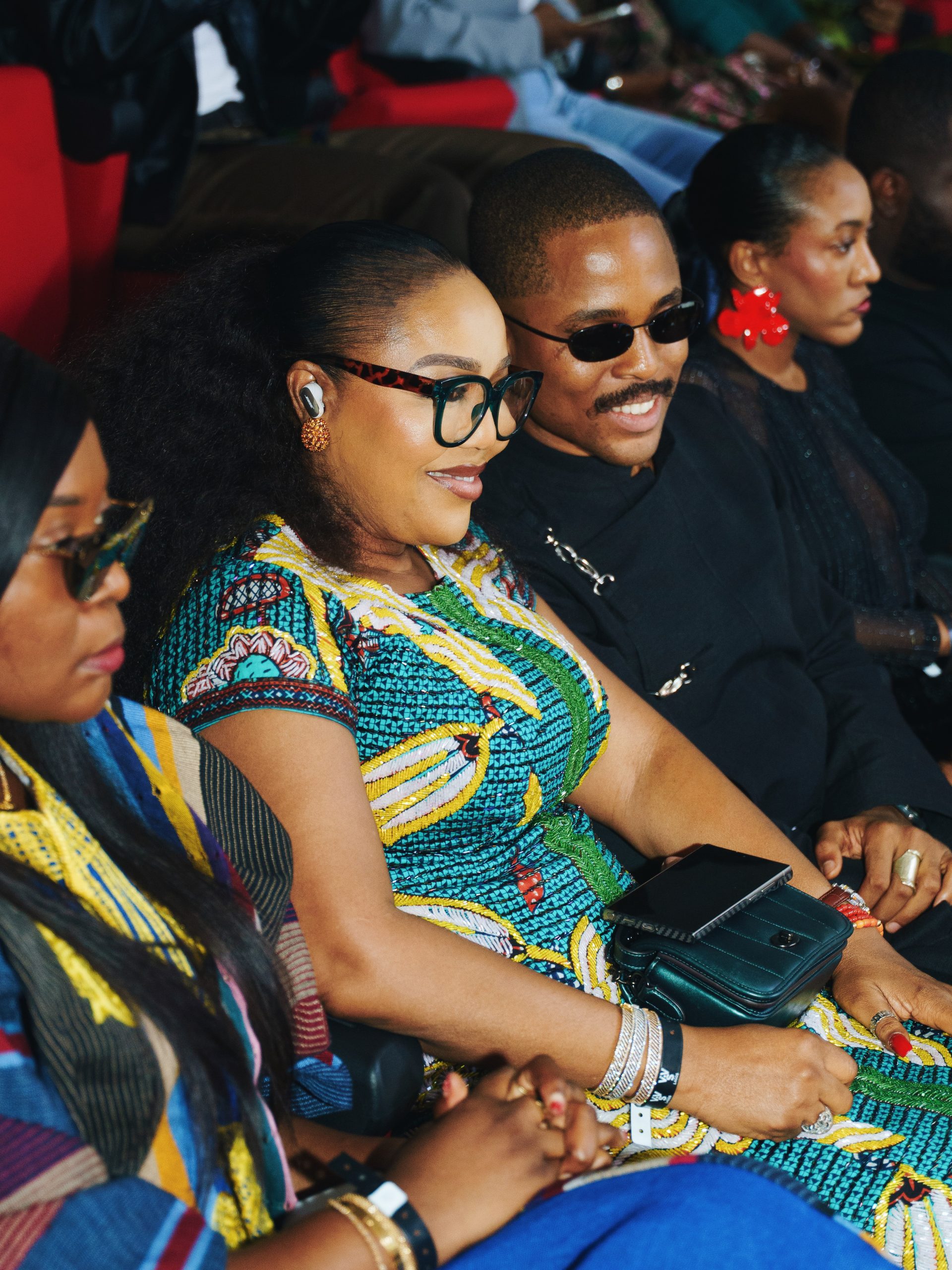
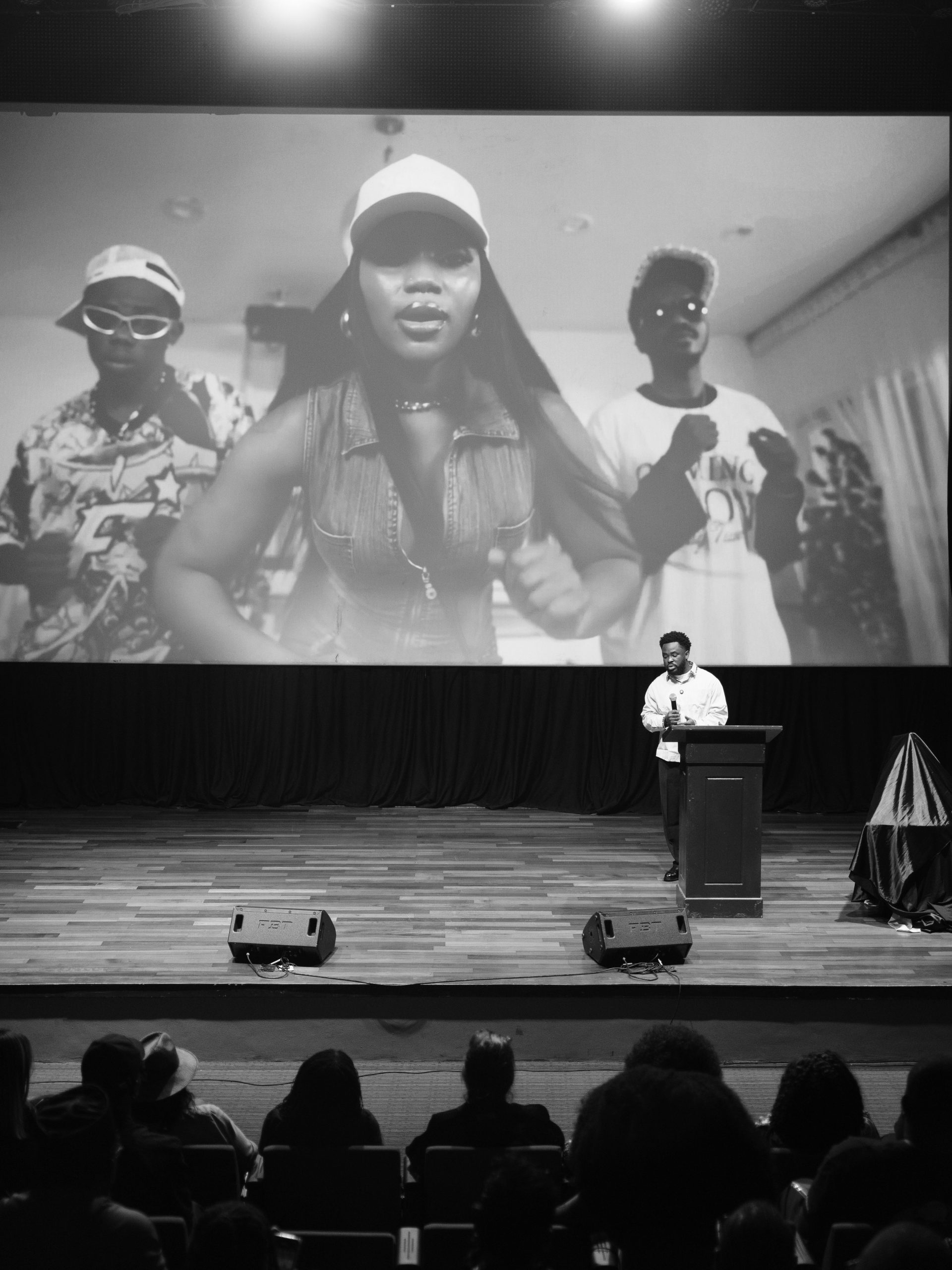
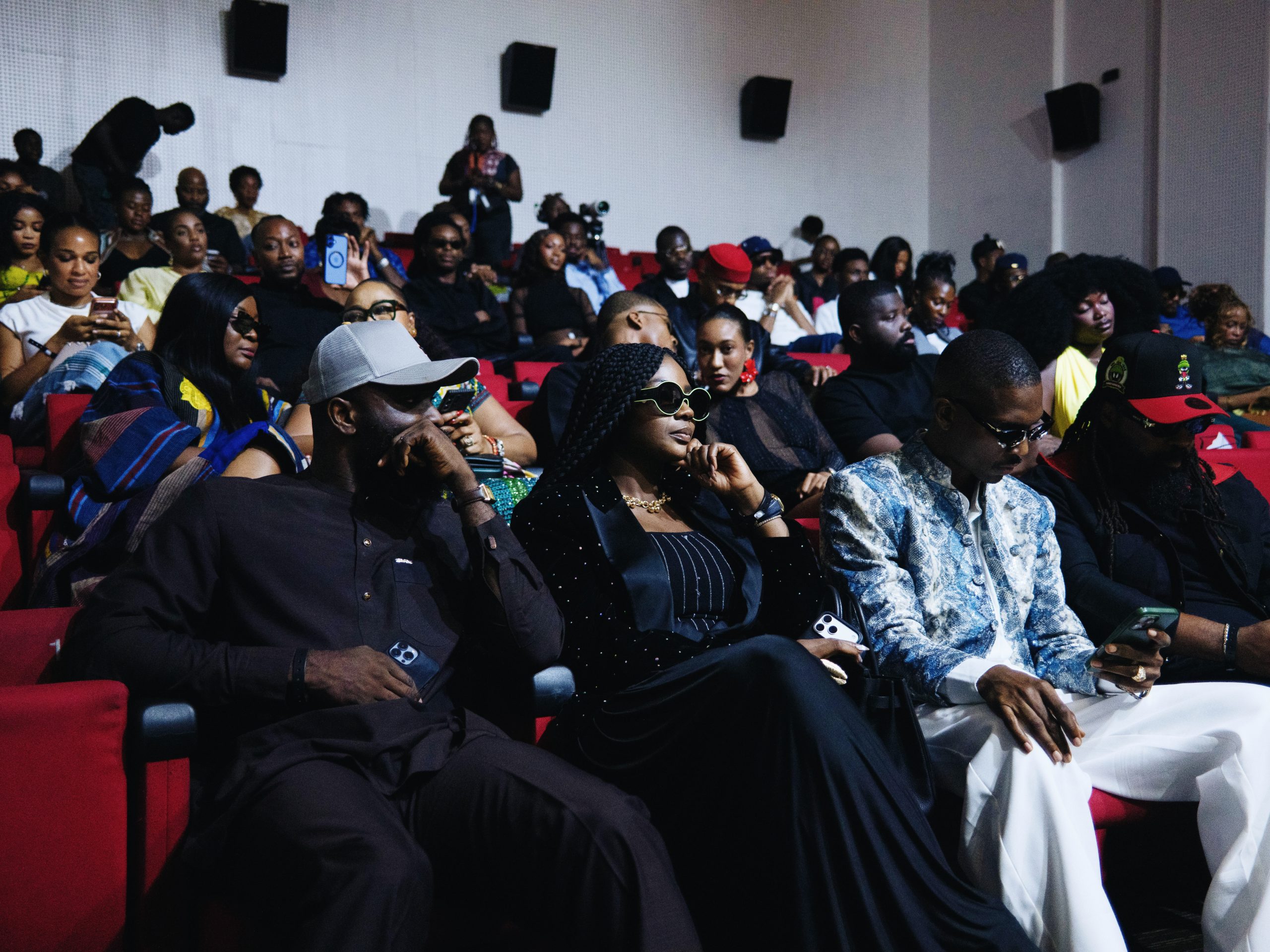
GAAGA World launched publicly this month, embedded throughout VVS Lagos ‘Afromodernism’ Week, running July 5 to 12. VVS Lagos is now in its fifth edition, with past partners including MAC Cosmetics, Audiomack, TikTok, MTN, British Council, and Pepsi. GAAGA World has a station at every event across the week, moving through the Opening Gala, the panel conversations at Alliance Française, the art collectors’ preview at Blank Space Oniru, the trunk show at Mikano, the Future Labs exhibitions and talks at Yenwa Gallery and British Council, the VVS Film Experience, and the flagship runway show and closing party on July 12. For a company positioning itself as infrastructure for the African creator economy, the access to VVS’s audience of creators, investors, cultural leaders, and brand partners is as important as the visibility itself.
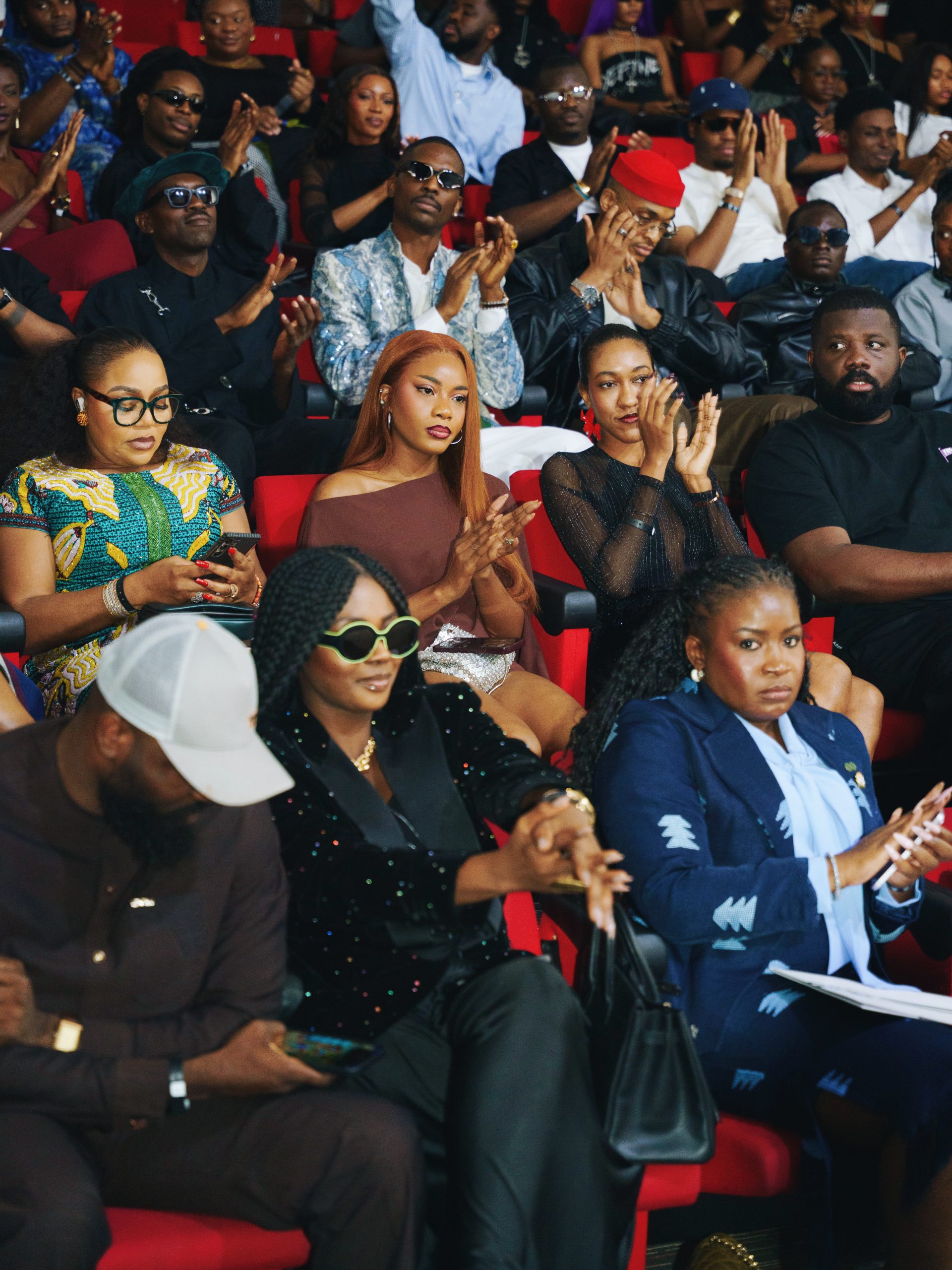
Nigeria has talent agencies. It has management companies. It has the occasional production house. What it has not had is a single entity that integrates investment capital, professional management, studio production infrastructure, and IP technology in one model, with creator ownership embedded at the centre. GAAGA World is not approaching this as a lifestyle business. The image rights platform, the studio complex, the events infrastructure: these are the components of a vertically integrated creative enterprise that is now open and operational. Whether the execution is there is what the market will judge over time. But as a thesis about where African creative infrastructure needs to go, GAAGA World is making the most coherent case this sector has seen.