

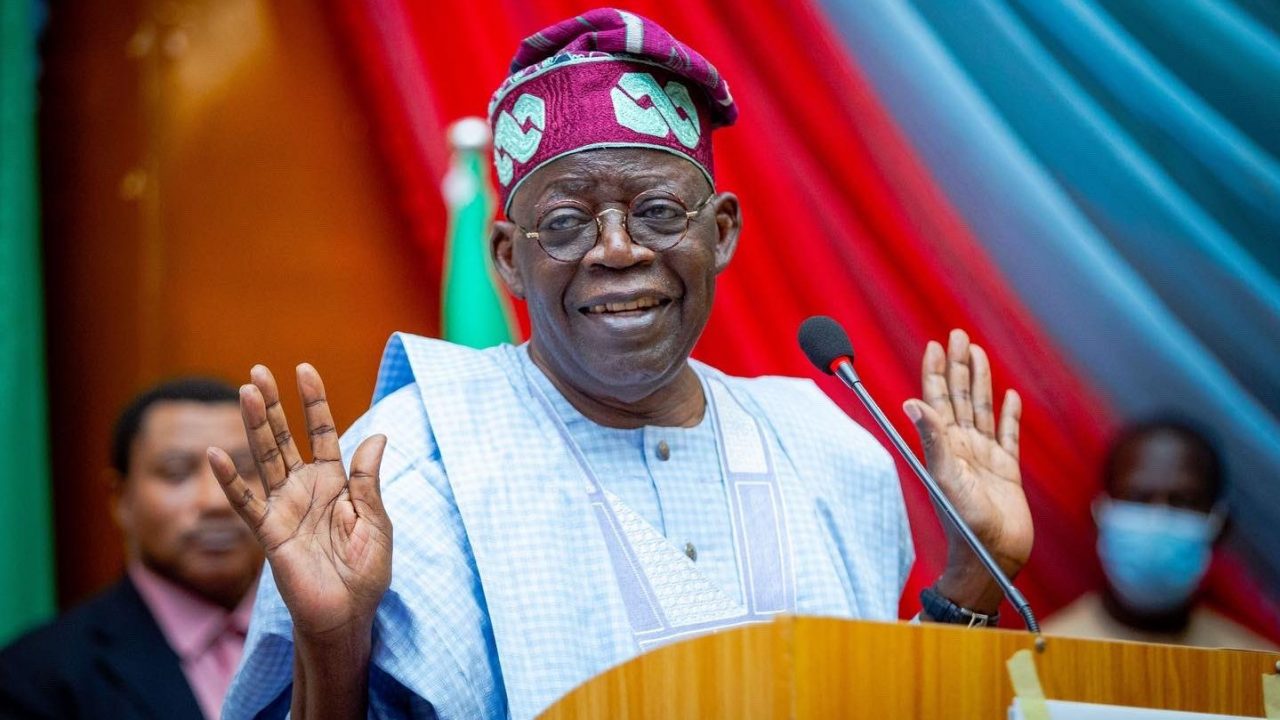
On Wednesday morning, Nigeria’s electoral body announced Bola Tinubu as the winner of the 2023 Presidential election. In a tight three-way race, many expected that technology would ensure transparency. But the election ends on a note that will lead to litigation. Ultimately, Nigeria’s 2023 elections show that technology needs to meet political will to make a difference. With its credibility under question, the electoral umpire–and technology–were the show’s stars for the wrong reasons.
The Biometric Voter accreditation system (BVAS) and the INEC Result Election Viewer (IReV) are two technological components of Nigeria’s elections. BVAS validates voters using fingerprint/facial technology and the six digits of your identification number. When it was launched in April 2021, there was hope that BVAS would make rigging near impossible by preventing overvoting. INEC’s assurance that the BVAS machine didn’t need internet access to validate voters (crucial in a country where internet coverage can be spotty) gave hope that it would be a game-changer.
BVAS and its contentious record in lead up to Presidential election
In the Anambra governorship elections held in 2021, Charles Soludo, the eventual winner, called BVAS a complete failure. He said, “The fundamental thing is that the technology collapsed…voting is yet to start in many polling units.” In Delta’s bye-election in 2021, there were similar issues with BVAS. It was the start of a pattern suggesting that it was not a massive improvement on smartcard readers, as INEC claimed.
Similar scenarios played out on the day of Nigeria’s Presidential elections, with BVAS failing to accredit Rivers state governor Nyesom Wike. Former governor Olusegun Osoba, and several voters in Bogoro Local government struggled too. On Saturday, BVAS contributed to late voting nationwide, with many voters still trying to vote hours after the elections ended. Yet the biggest issue with BVAS still came down to internet connectivity.
BVAS, IReV and a system unprepared for scale
Last week, a TechCabal article asked if Nigeria’s internet coverage could handle Nigeria’s election. It was a crucial question because BVAS needs the internet to transmit results to INEC’s server. Per the same article, “[BVAS needs internet access] to upload images of the polling unit result form (Form EC8A), from polling units to the INEC Result Viewing Portal (IReV) in real-time and to the INEC central server for collation. If the polling centers do not have sufficient internet connectivity, there will be inconsistencies in the numbers.”
Uploading election results for public viewing prevents manipulation of results during collation and the pressure often put on INEC officials to tamper with actual results. Despite this, only 45% of Nigeria’s election results were available on IReV three days after the elections closed. It brought the credibility of INEC into question and reduced public confidence in the results.
INEC blamed these delays on technical hitches. The commission said, “The problem is totally due to technical hitches related to scaling up the IReV from a platform for managing off-season, State elections, to one for managing nationwide general elections.”
BVAS and the human element
While BVAS solves voting-related problems, we’ve seen in real time that it throws up its own problems. It’s also possible to argue that BVAS has simplified election rigging by creating one focal point for bad actors to disrupt. And despite the failures of the technology, it still needs human elements to take advantage of those failures.
With only 45% of election results publicly available on INEC’s results viewer hours before a winner was announced, it will take another couple of days for many voters to determine if the right results were transmitted. While INEC insists that only duly signed results will be uploaded, many ordinary Nigerians have witnessed election rigging one too many times to take their word for it. After all, it’s why we put all our faith in technology this time.