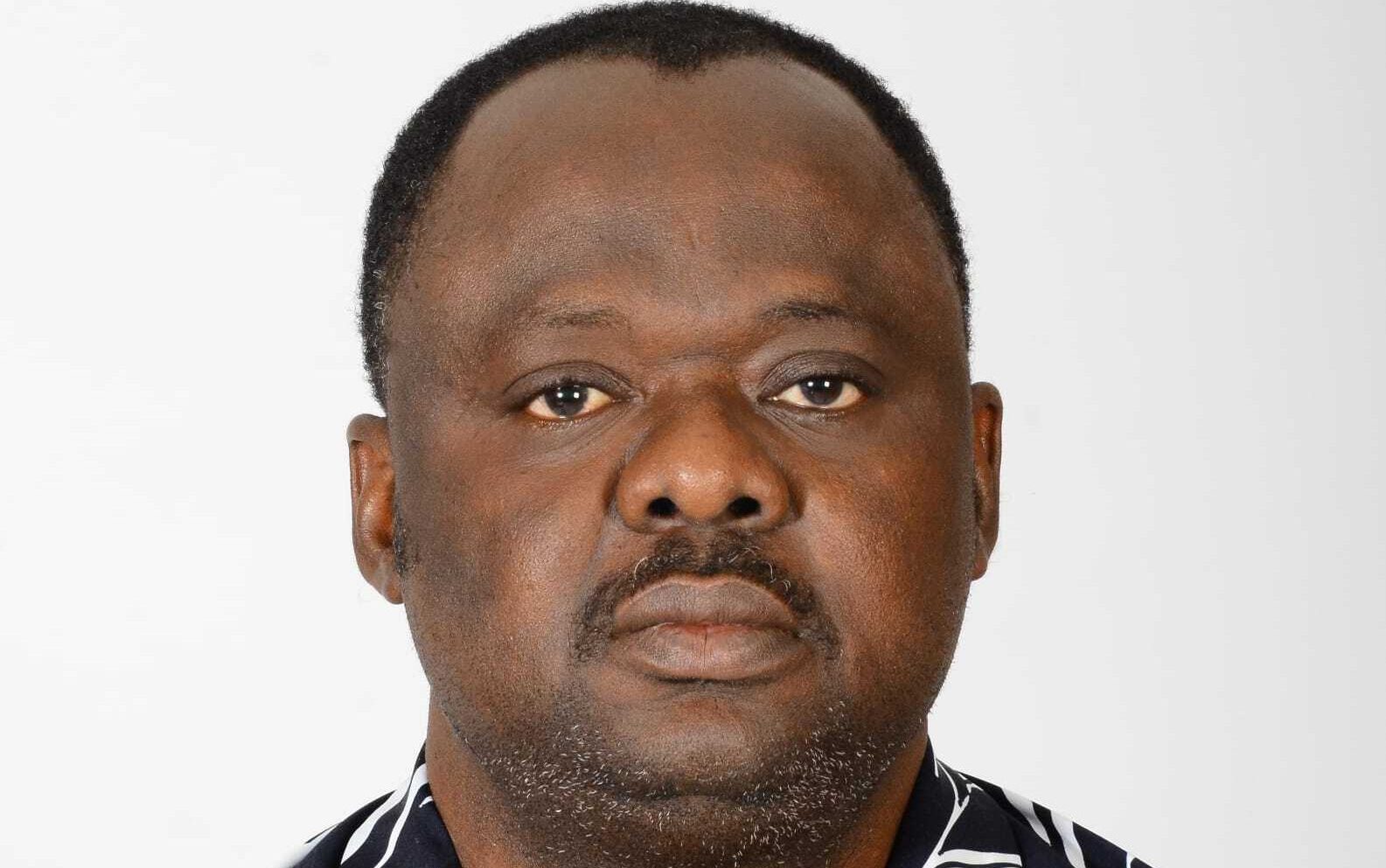
By Leke Onanuga
When most people picture cybersecurity, they imagine firewalls, passwords and frantic responses to breaches. For Muyideen Lawal, the picture is different: he wants teams to know what’s coming before the alarms ever sound. Standing at the intersection of curiosity and technical discipline, Lawal has spent his career turning intuition about risk into machine-driven foresight, and his work quietly powers defences that stop crises before they start.
Lawal’s signature contribution is a tool called CTAT, short for Cybersecurity Threat Analysis Tool, a system he built because he grew tired of watching organisations scramble after an incident instead of preventing it. “Cybersecurity is not just about protection; it’s about foresight,” he believes. That sentence captures the ambition behind CTAT: to shift security from a posture of reaction to one of anticipation. It does that by weaving together artificial intelligence, behavioural analytics and network telemetry so that unusual signals become actionable warnings rather than after-the-fact reports.
His pathway to this moment was forged in the old school of technical rigor. Early roles designing and hardening enterprise networks taught him to spot the tiny, persistent anomalies that precede a breach. Those patterns often hide in plain sight, noise in logs, subtle changes in user behavior, or a string of seemingly unrelated access attempts, and by the time they coalesce into an attack, the damage is already underway. Lawal began to ask a different question: what would it take to sift those faint signals out of the background hum and turn them into early alerts? CTAT is his answer.
The effect has been tangible. Companies that have adopted CTAT report markedly faster responses and more accurate detections, improvements that translate into saved time, money, and trust. Where security teams once spent hours chasing leads, many now see meaningful anomalies flagged earlier; some organisations have posted incident response times that are more than a half faster and measurable gains in detection accuracy. Those figures matter because in the modern digital economy, a few hours, or a single missed signal, can mean millions in lost data and reputation.
Beyond the technology itself, Lawal has become a steady voice on how security must evolve alongside the cloud, AI and increasingly complex supply chains. He speaks at industry forums not to showcase a product, but to argue for a different mindset: security architectures built on intelligence, not just perimeter guardrails. Over time, his influence has helped organisations move away from brittle, perimeter-based defences toward adaptive systems that learn from their environments and change with them.
Colleagues describe Lawal’s approach as pragmatic and unshowy. He mentors younger engineers, encouraging them to combine domain expertise with the humility to test their assumptions. That blend of mentorship and applied research has helped seed a generation of practitioners who think in probabilities and scenarios rather than absolutes, an outlook he believes is essential as attackers grow more sophisticated and automated.
For Lawal, the next chapter is iterative: refine the learning engines, broaden the telemetry inputs, and make predictive security accessible to teams that lack large threat-hunting budgets. “The future of cybersecurity isn’t just about building walls; it’s about building systems that learn,” he says. CTAT is one part of that larger shift, proof that, with the right mix of intelligence and engineering, defenders can tilt the field away from chance and toward foresight. In a landscape where threats evolve every day, that change in mindset may be the most important defence of all.