Nigeria’s university admissions body has said visually impaired candidates who paid for the ongoing Unified Tertiary Matriculation Examination (UTME) registration will be refunded at the point of examination, and audio versions of prescribed texts will be provided after registration closes.
The Joint Admissions and Matriculation Board (JAMB), which administers the UTME, had said that registration would be free for blind candidates and other persons with disabilities (PWDs), and that accessible versions of the compulsory English text would be made available.
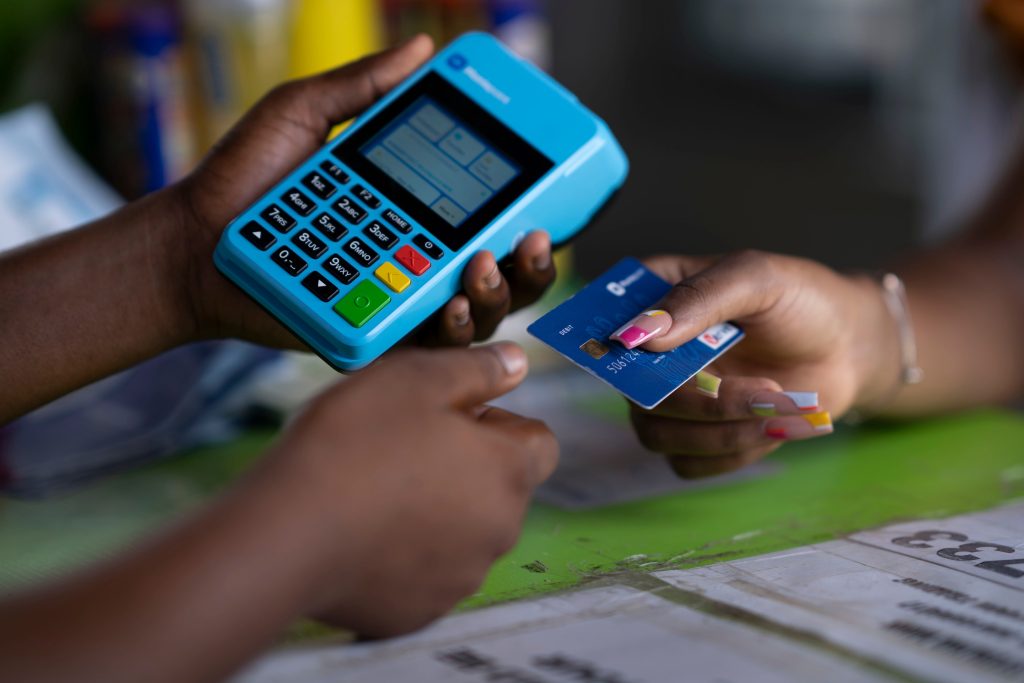
But several candidates who spoke to TechCabal last week claimed they paid the registration fee of ₦7,200 ($5.3) at registration centres across the country and were issued hard copies of the prescribed literature without audio or soft-copy alternatives.
JAMB spokesperson Fabian Benjamin told TechCabal on Wednesday during a telephone interview that the payment requirement was a ‘safeguard against abuse of the policy’ and not a reversal of it.
“Why they are paying is because, if you don’t ask them to pay, Nigerians being what they are, everybody will be collecting the pin without us knowing, because we don’t have any mechanism to check who is visually impaired or who is not,” Benjamin said.
The clarification follows complaints that blind candidates were charged fees and given inaccessible hard-copy materials, raising fresh questions about how the examination body communicates and implements special accommodations for candidates with disabilities.
According to the spokesperson, JAMB processes registrations through both its own and private centres, making upfront verification difficult, adding that visually impaired candidates will be refunded their registration fees when they arrive for the examination, where the board also provides accommodation, transport to and from the exam venue, and lodging for their guides.
“When you come for the exam, we’ll refund the payment that you have made for your transport money for coming and your accommodation for you and your guide,” he said.
Several candidates, however, said they were not informed at the point of payment that the fee would later be refunded.
‘Hard copy texts have QR codes to soft copy’
On the issue of study materials, candidates said they were given hard copies of the prescribed English text despite earlier indications that accessible formats would be provided.
Benjamin said the physical book contains a QR code at the back that links to a soft copy.
“If you look at the back of the hard copy of the book, you will see a QR code. Once you scan the QR code, you have the soft copy of the book,” he said.
When asked how blind candidates would independently know that a QR code was printed at the back of the book, Benjamin said the board had publicised the information through radio and television broadcasts.
“The information is out there. There is sufficient information out there,” he insisted.
He added that the promised audio version of the prescribed text would be emailed to visually impaired candidates after registration closes.
“As for the audiobook, it will be emailed to them once JAMB registration is over. Registration is ending soon, and once we have all the blind candidates’ details from the registration, they will be emailed the audio copy of the book,” he promised.
Registration for the 2026 UTME, which began on January 26, is scheduled to close on February 28, and the main examination will run from April 16 to April 25, according to the board’s official timetable.
501 blind candidates sat for the 2025 examination across 11 designated centres in Nigeria on April 28 and 29, 2025.