

Kenya has rolled out a digital traffic enforcement platform that automatically detects road offences and sends fines to motorists by text message, a move that could affect millions of drivers as authorities push to curb road deaths and reduce corruption in traffic policing.
The National Transport and Safety Authority (NTSA) said on Monday its Instant Fines Management System is now live. The platform issues traffic violation alerts by SMS and records the offence on a driver or vehicle profile in the agency’s digital services platform.
“This process is fully automated and operates without human intervention,” the NTSA said in the notice seen by TechCabal.
Drivers have seven days to pay the fine through KCB Group channels integrated with the system, according to the notice. Unpaid fines will attract interest, while motorists with pending penalties may be blocked from accessing NTSA services such as licence renewal, vehicle transfers or other transactions.
The rollout marks a shift from manual roadside enforcement toward automated monitoring through cameras and centralised data systems.
Instant fines will vary depending on the offence. NTSA’s schedule lists 37 violations, with penalties ranging from KES 500 ($3.90) to KES 10,000 ($78). The highest fines apply to offences such as driving without number plates, causing road obstruction or exceeding speed limits by 16–20 kilometres per hour, while the lowest penalty targets minor violations such as pedestrian obstruction of traffic.
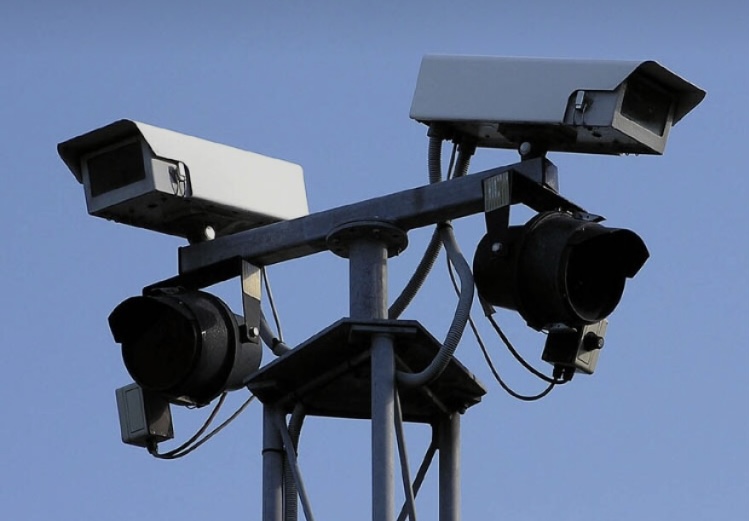
Traffic surveillance cameras installed on highways and major junctions capture offences such as speeding, running red lights and other violations. The system reads the vehicle number plate and links it to NTSA registration records before generating a violation notice.
The registered owner then receives an SMS detailing the offence, including the location, time and amount due. The fine is also logged on the motorist’s NTSA account, allowing payment through digital channels connected to the authority’s platform.
Authorities have pushed automated enforcement as Kenya struggles with high accident rates. Thousands of people die on Kenyan roads annually, with speeding and dangerous driving cited as major causes.
Officials say the digital system could also reduce direct interactions between motorists and traffic police, a long-standing source of bribery complaints on Kenyan roads.
The system is part of a wider government push to digitise traffic monitoring that began in 2024, when the Cabinet approved the rollout of an Intelligent Transport System using cameras and automated enforcement.
The change means traffic enforcement could become immediate for motorists. An offence that once required a roadside stop or court appearance may now arrive as a text message minutes after it happens.