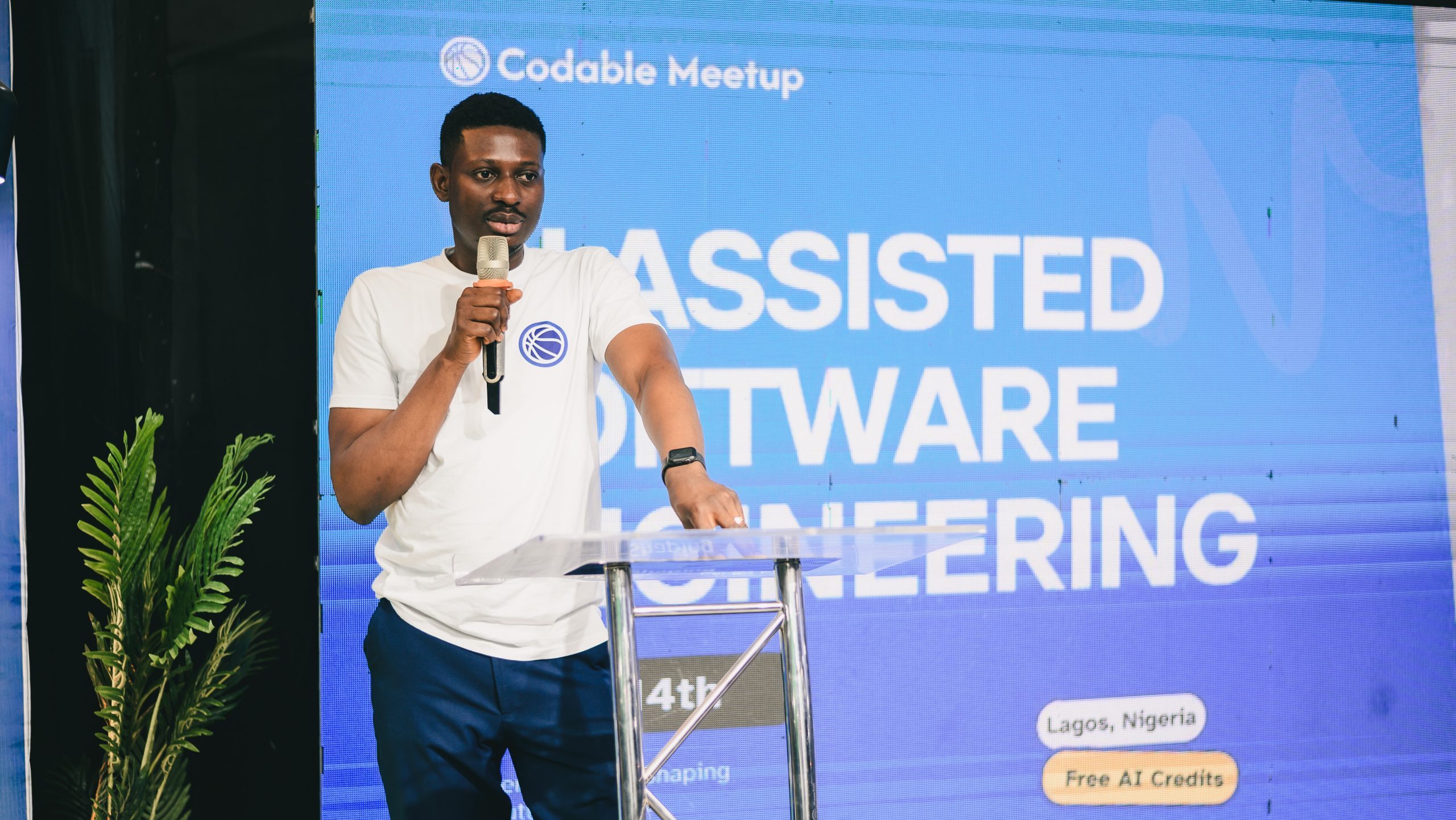
On Saturday, March 14, the Codable Meetup hosted its workshop event, themed “AI-assisted software engineering,” in Lagos. The gathering brought together a community of software engineers to dissect how emerging artificial intelligence (AI) tools are reshaping the industry.
Opening the event, Tobi Omotayo, the organiser and co-founder of Codable Meetup, noted that AI represents what he believes is “the biggest paradigm shift that I’ve witnessed in the last 10 years” in his career as a software engineer.
Beyond the technical shifts, Omotayo highlighted the organisation’s commitment to inclusivity and social impact: “We always give a 50% discount to female developers attending, because we want women to attend our events in the male-dominated industry.”
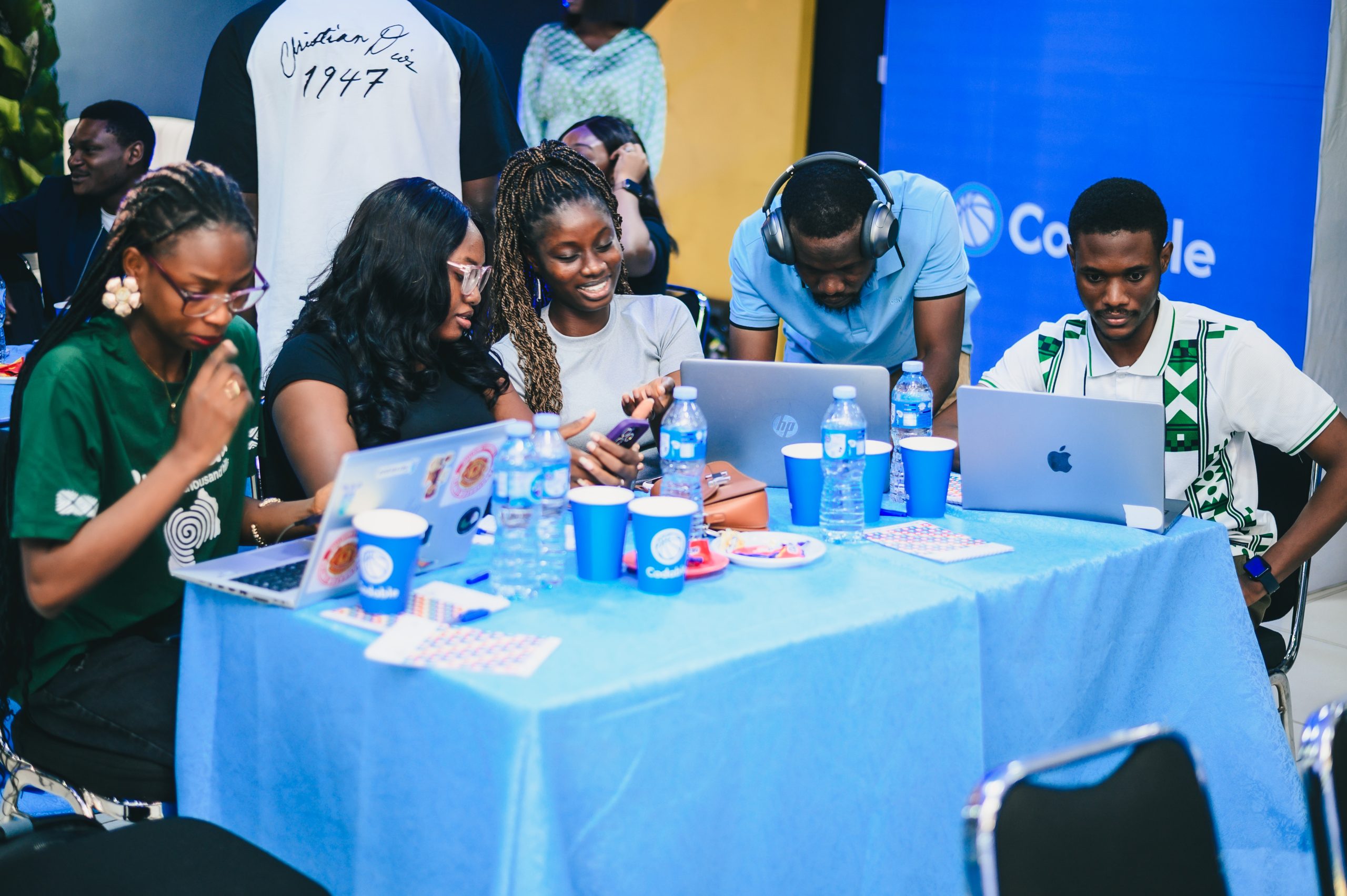
Omotayo also spoke about the launch of the Codable Scholarship, describing it as “a programme to help people who want to get into tech, but cannot, because they don’t have access. I know there are free tutorials online, but they’re not well structured.”
Kerry Ehikioya, senior frontend engineer at Helium Health, an African health-tech, led a discussion on building agentic systems with the Model Context Protocol (MCP).
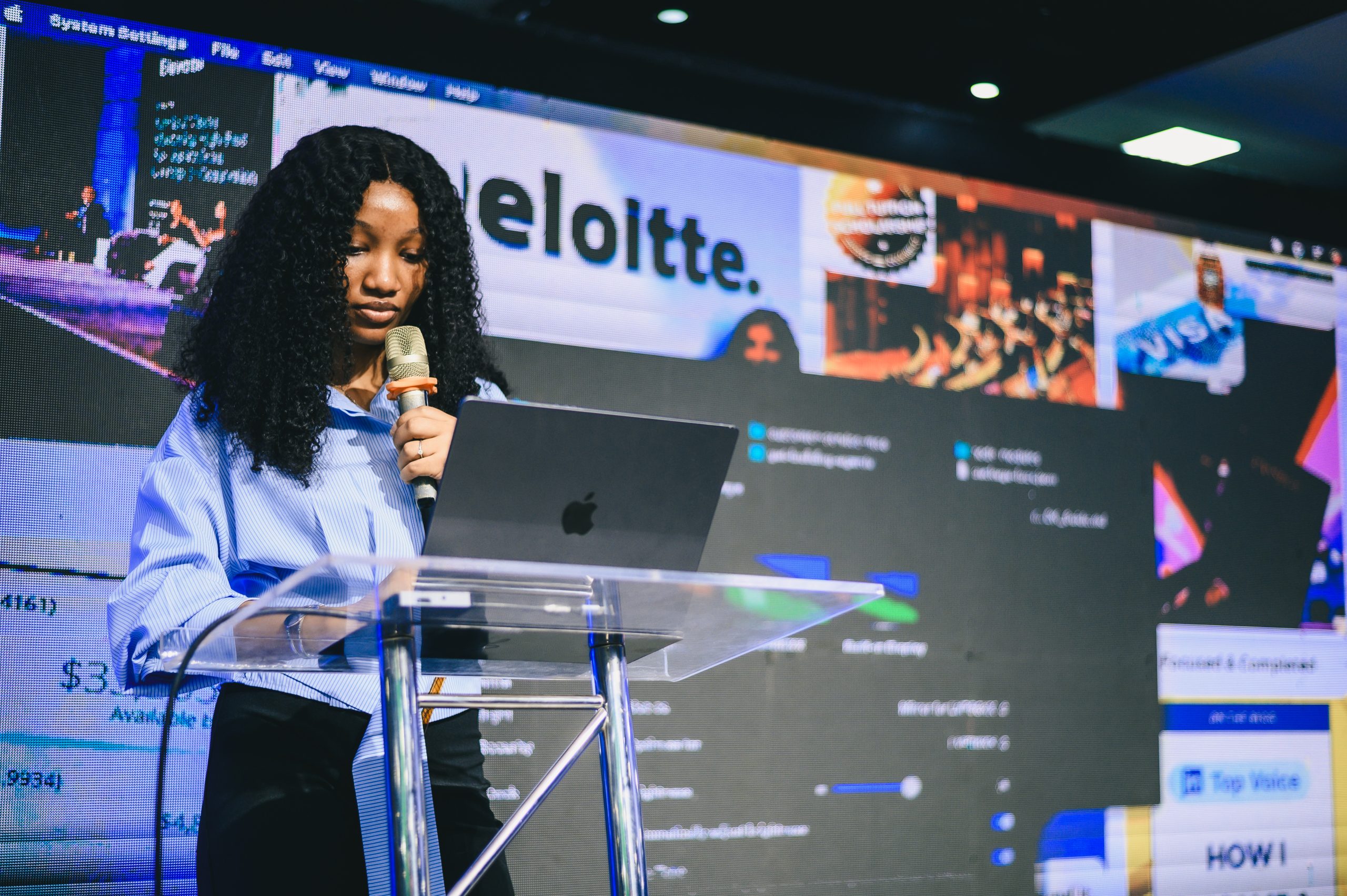
“LLMs have enough knowledge cut off,” she said. “ And what that means is that if you are using an LLM that was trained on data between 2005 and 2020, it’s probably not even going to know that ChatGPT was released. The training data that’s available to LLMs is the only thing that they can use to generate AI outputs.”
This theme of understanding the limitations and requirements of AI was echoed by Omotayo during his technical session on agents and agentic coding. He cautioned against treating these tools as a substitute for engineering rigour, remarking that, “many people get it wrong. They just see AI as magic, and say, ‘go do this for me’ without providing enough context and tools.”
The potential risks of these technologies were further explored by Taslim Oseni, a senior software engineer, who spoke on building mobile applications at high speeds. Oseni warned that an over-reliance on automation could erode the fundamental expertise of developers. He said that it could lead to “the loss of problem-solving skills.”
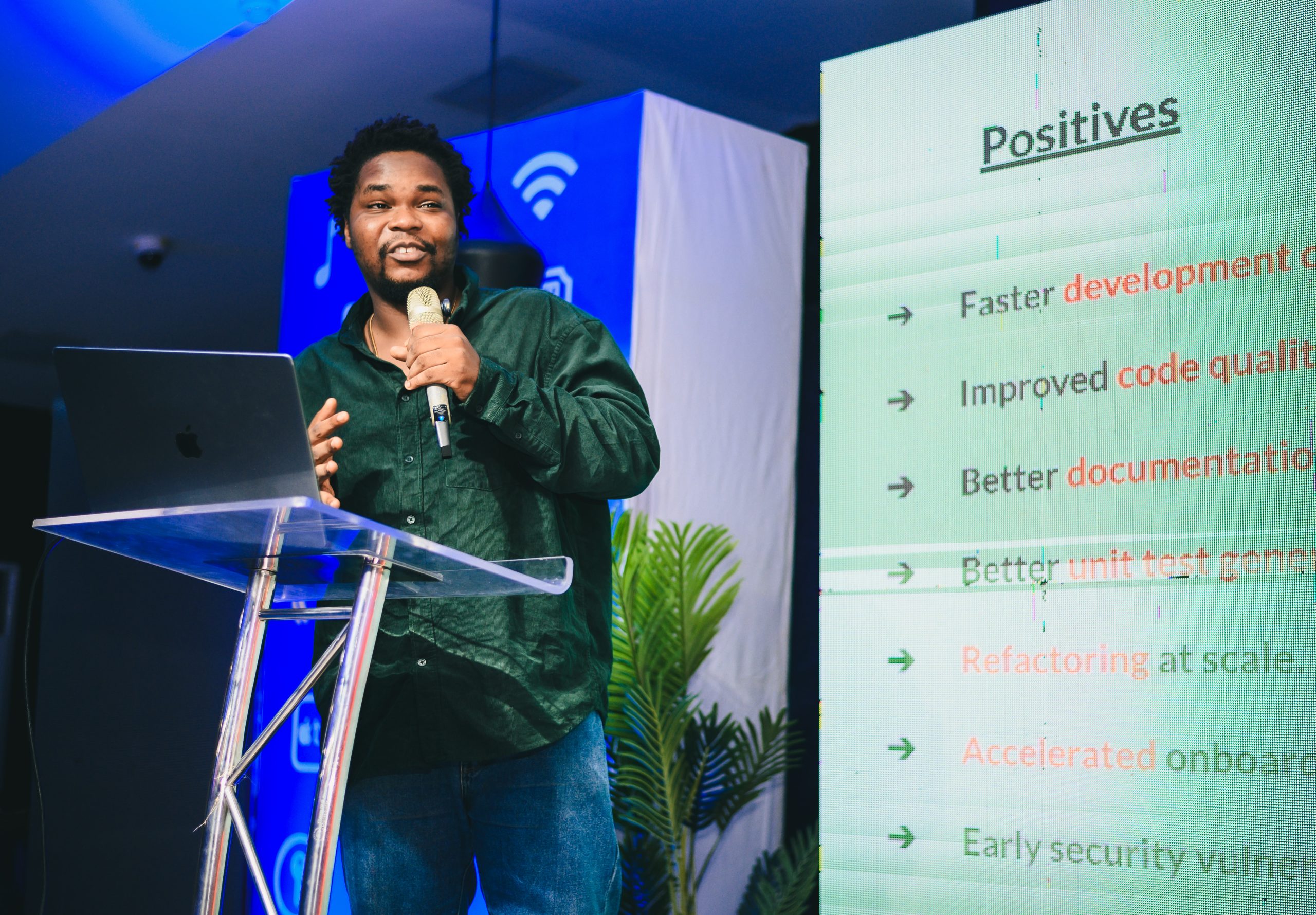
The event also featured insights from Aderinsola Odusanya, a frontend engineer, on self-verifying frontend workflows and Iyioluwa Akanbi, who provided a backend engineer’s guide to the Google ADK.
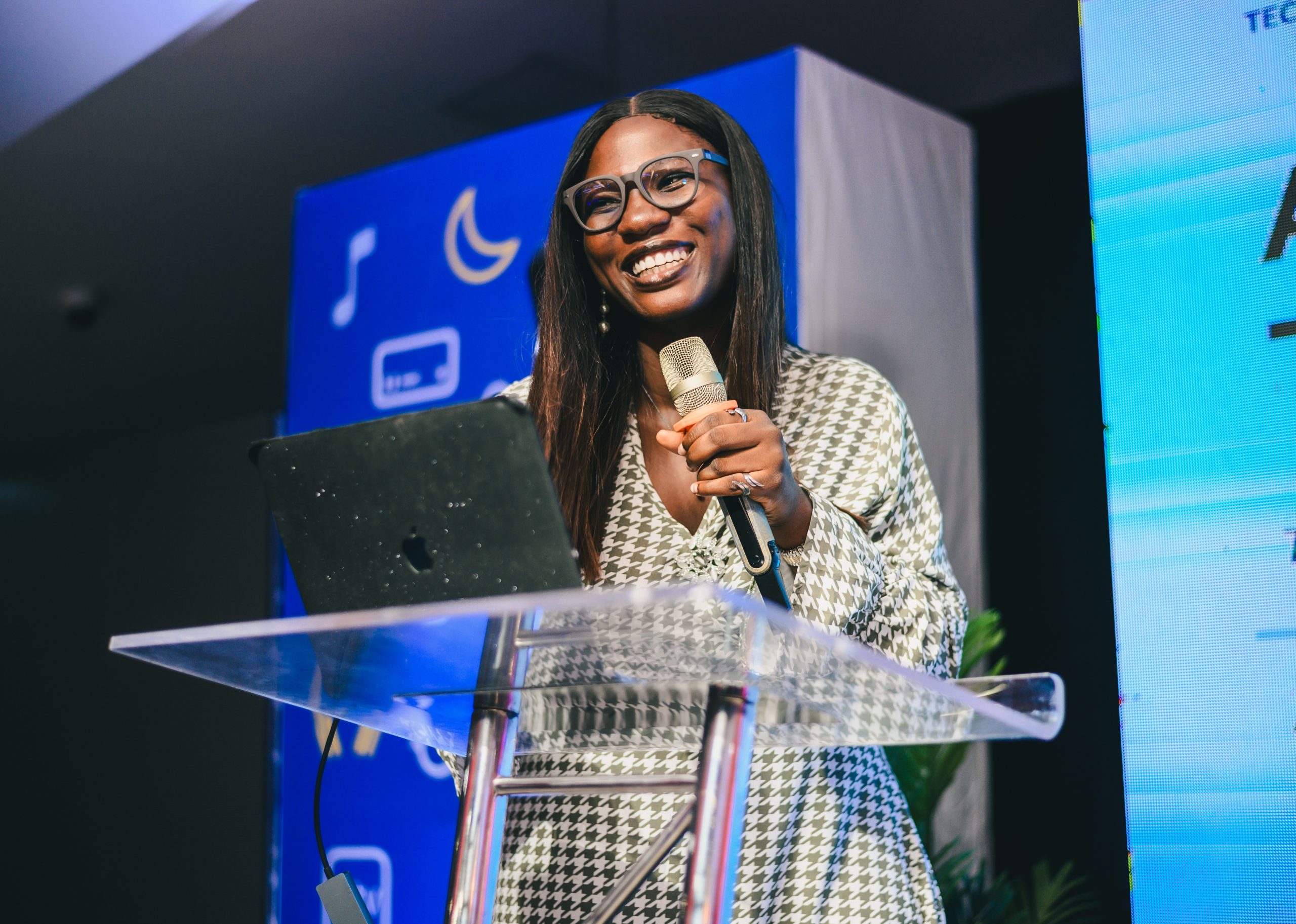
Precious Oeseru Johnson, a senior software engineer, discussed the urgency of adopting these workflows, noting the narrowing window for professional adaptation. Johnson argued that, “I hope even 50% of people here can move very fast, and take that advantage [of AI].”
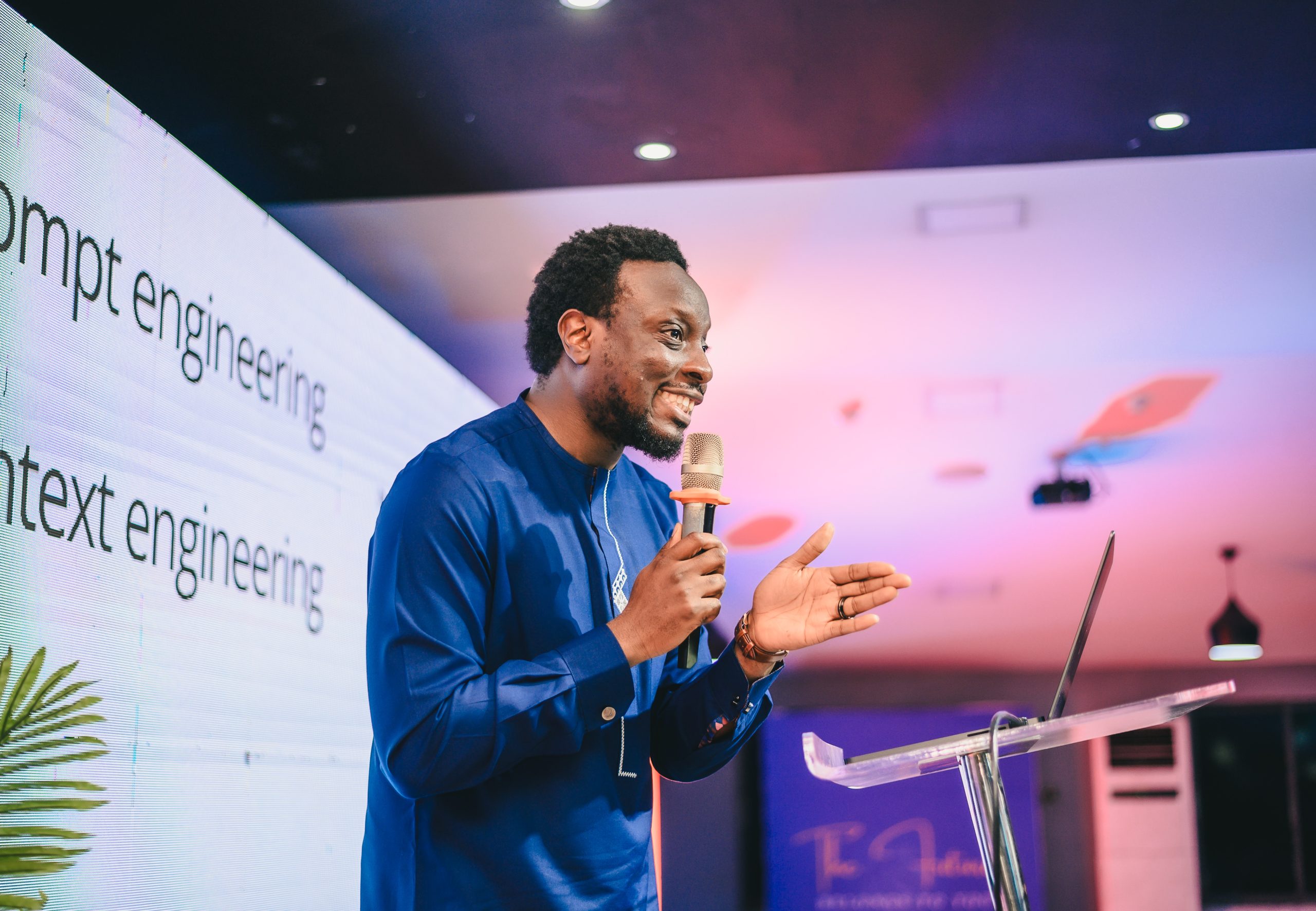
Concluding the event, Omotayo delivered closing remarks that challenged the traditional model of niche expertise in software development. He suggested that the AI era demands a more versatile professional profile.
“Engineering teams are shifting away from [specialising]. I feel like boxing yourself in one specialisation is not going to be enough.”