
Happy pre-TGIF. ☀️
Very few events can earn the tag of unprecedented in Nigeria’s tech ecosystem, especially in the last ten years. If, like us, you have followed the ecosystem religiously in this time, you would have seen it all. Exits, mega-rounds, acquisitions, shutdowns, layoffs, and even the occasional initial public offerings (IPOs).
But when Cowrywise, the Nigerian wealth management startup that manages money for two million people, promoted eleven people to the position of associate vice president in January, it earned that tag.
Read our in-depth article to understand why the startup made the promotions, why it matters, and what it means for the ecosystem.
Get smarter about Francophone Africa with our newsletter, Francophone Weekly—the startups, tech policies, and institutions building the pipelines for ecosystem growth.

Ride-hailing
Uber wants to double its electric boda fleet in Kenya
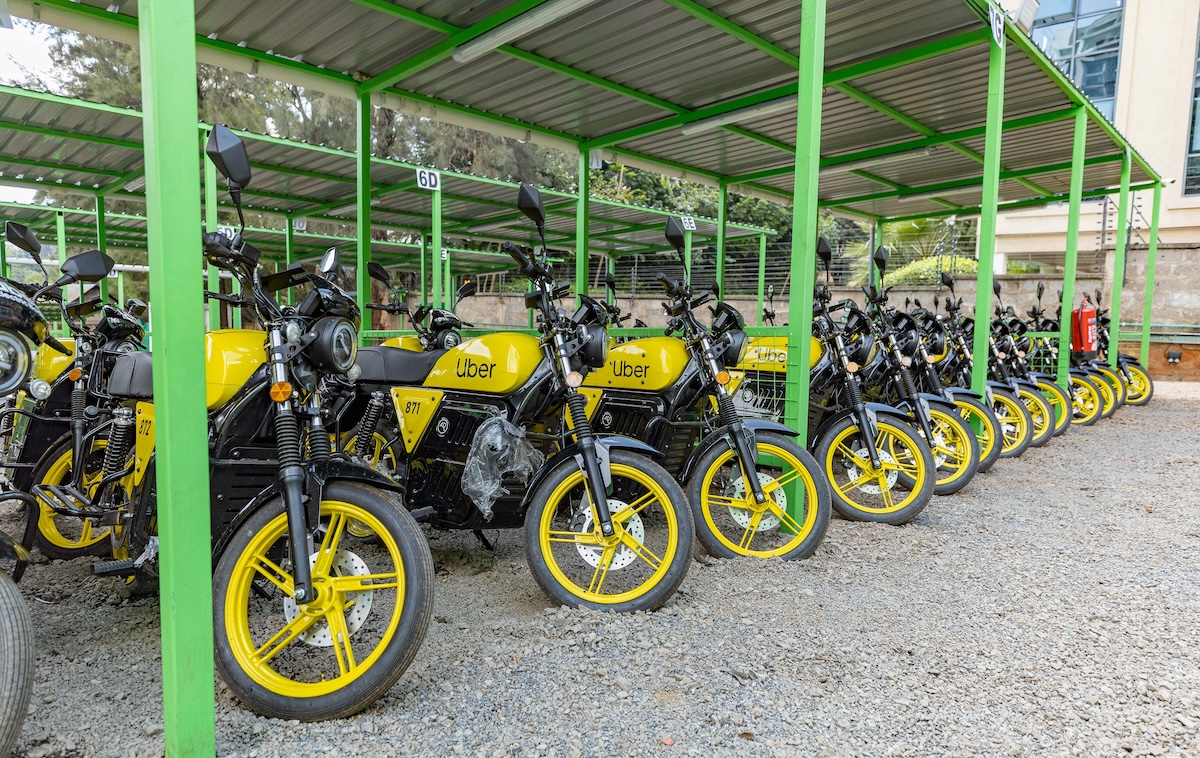
When Uber, the ride-hailing giant, launched Electric Boda (e-bikes) in Nairobi, Kenya, in August 2023, its pitch was to offer cheaper rides for passengers, lower costs for drivers, and a cleaner city for everyone.
By the end of 2024, its e-bike fleet had reportedly completed 94% of its trips since its launch. The company also said its e-boda fleet drove an 81% increase in active driver sign-ups. Seeing the results, Uber will double its electric motorcycle fleet in Kenya by the end of 2026, the clearest sign yet that what started as an experiment has become a core part of how the company wants to grow in that market.
Why are Kenyan boda boda gig riders choosing electric? Petrol. Maintenance. Repairs. These three things eat into a rider’s income every day. Electric bikes cut operating costs by an estimated 30–35% compared to petrol. Kenya Power, the country’s electricity distributor, reported KES 382 million ($2.9 million) in EV charging revenue between July 2023 and April 2026, a 113-fold increase from where it started, driven almost entirely by motorcycle charging.
Zoom out: Kenya had 35,000 registered EVs by the end of 2025, up from 796 three years earlier. Almost all of them are motorcycles. Uber doubling its fleet doesn’t just grow a product line; it puts more electric bikes on the road in a country where 1.5 million people depend on boda bodas for their livelihood. When Uber scales in Kenya, it scales for them.


Money20/20 in Amsterdam Event.
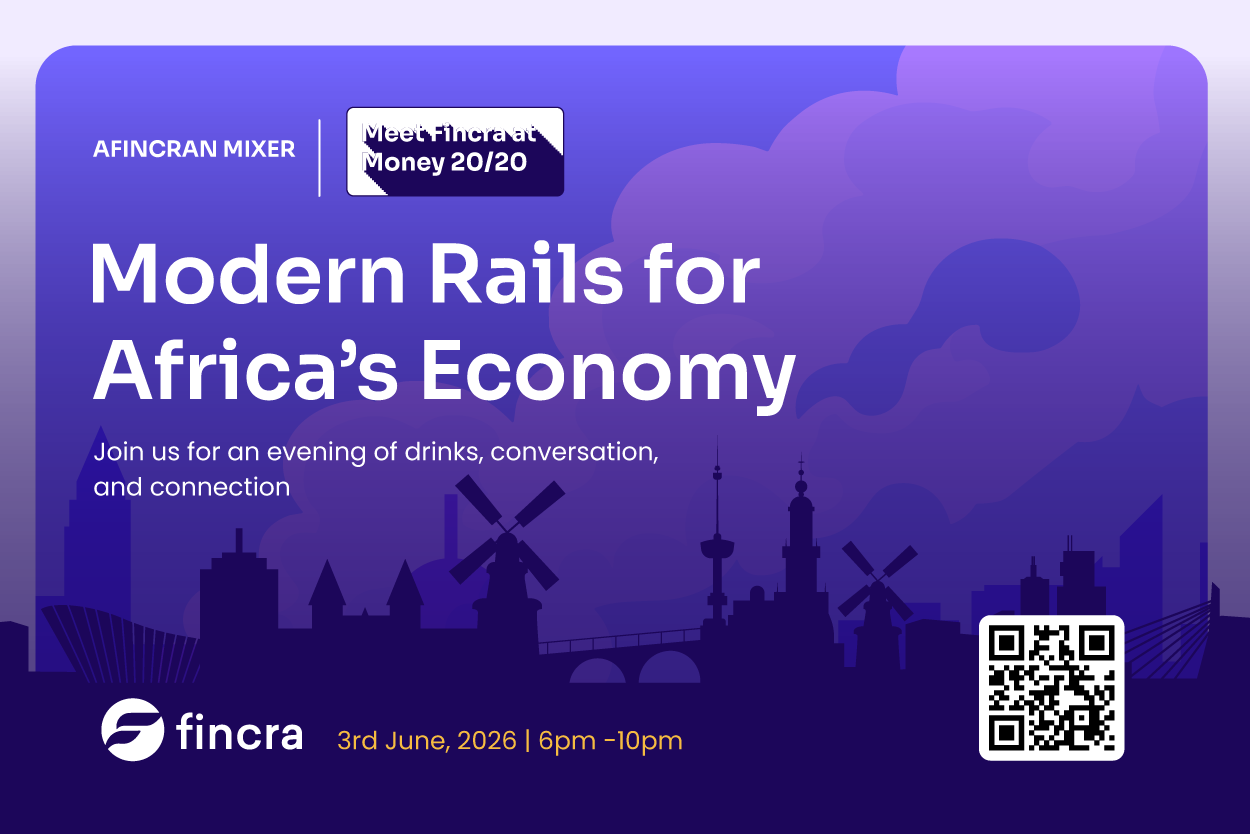
Join us for a night of cocktails, conversations, and networking on the sidelines of Money20/20 in Amsterdam. Spaces are limited. RSVP here.
Ecommerce
Amazon Prime launches in South Africa, offering customers delivery perks

For R59 ($3.6) a month, South Africans can now get same-day or next-day delivery on their Amazon orders, access to Prime Video, cloud gaming, and a front-row seat to Prime Day deals.
On Wednesday, Amazon, the Jeff Bezos-founded e-commerce company that expanded to South Africa in May 2024, launched Amazon Prime locally, bringing its flagship membership programme to the country for the first time. An annual plan costs R399 ($24), saving members 44% compared to paying monthly.
State of play: The subscription will bundle e-commerce delivery perks, free gaming, and streaming services for South Africans, making it one of the most competitive offerings to land in the market at that price point.
Amazon Prime is not new to Africa. Amazon Prime is currently available in 28 countries globally, with monthly prices ranging from $4 to about $8. In Africa, Egypt is the only other market with Prime delivery perks, having launched in 2022, where membership costs EGP 87 ($1.67) every three months or EGP 249 ($4.79) annually. At that price, Egypt’s offering is notably cheaper than South Africa’s.
Globally, however, South Africa’s R59 ($3.6) monthly rate sits among the more affordable entry points, with the notable exception that US members, who pay more, get full access to the entire Amazon services ecosystem in return. The service also arrives just in time to rope South Africans into Prime Day, Amazon’s annual global discount event running from June 23 to 26.
An attempt to deepen customer loyalty and increase competition: Takealot, which has spent years building its own loyalty and delivery proposition, now faces a better-funded, globally tested version of the same idea. Checkers Sixty60 built its dominance on free delivery and speed. Prime is now in that lane, too.
What Amazon is really launching is not a membership programme. It is the infrastructure that made it unbeatable everywhere else, now pointed directly at South Africa’s most competitive consumer categories, all at once.
Naira Life 2026 is here!

The theme for this year’s Naira Life Conference by Zikoko is “All About Wealth.”
Join 2,000+ in Lagos on August 22 for a day of practical money conversations and workshops designed to move you from simply earning an income to building lasting wealth. Get 15% off early bird tickets.
Telecoms
Tunisia gets a new direct data highway to Europe
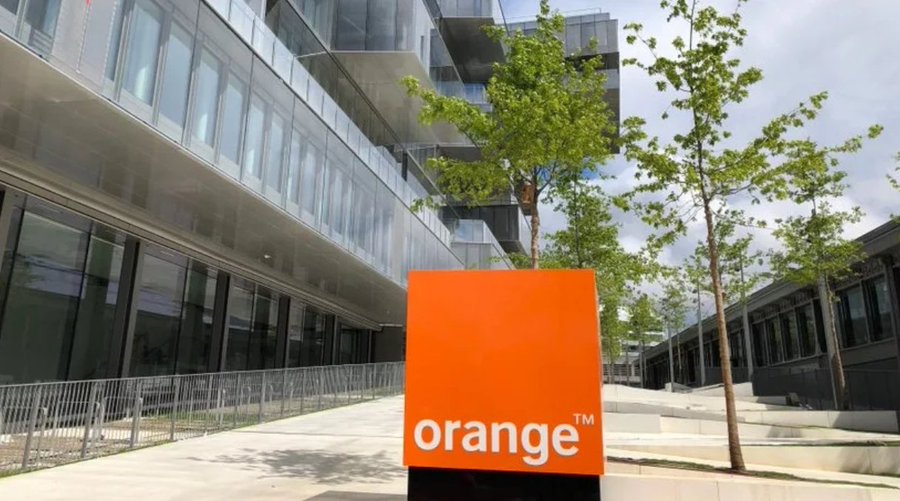
Most people never think about submarine cables until one breaks. Then suddenly the Internet slows down, payments fail, and entire countries start looking for backup routes.
On Wednesday, Orange announced that the ViaTunisia subsea cable segment connecting Marseille in France to Bizerte in Tunisia has reached “Ready for Service” status, meaning it is now operational and capable of carrying live traffic. The project forms part of Medusa, a wider Mediterranean cable system that aims to improve connectivity between Europe and North Africa.
It all started in 2022: The European Union (EU) agreed to support the project through its Connecting Europe Facility (CEF) programme. ViaTunisia cost €32 million ($37 million) to deploy, with the EU contributing €9.6 million ($11 million) towards construction and management costs.
Why Tunisia? Geography. Marseille is an important Internet hub, acting as a gateway for submarine cables that link Europe to Africa, the Middle East, and Asia. Tunisia lies just across the Mediterranean from southern France, around 1,100 kilometres from Marseille, making it a natural landing point for data traffic moving between Europe and other continents via the central Mediterranean.
State of play: Africa’s digital economy depends on infrastructure that users never see. Every cloud application, streaming service, AI model, fintech transaction, and international video call ultimately relies on physical networks of fibre optic cables buried beneath oceans. The continent has spent the last decade adding new subsea capacity through projects such as 2Africa, Equiano, and PEACE. ViaTunisia adds another route to that growing web, with a capacity of 20 terabits per second (Tbps) per fibre pair and equipment built to support decades of traffic growth.
Between the lines: This is also about resilience. Africa has spent the last two years getting painful reminders that submarine cables can and do fail. In March 2024, simultaneous faults on multiple cables off West and Central Africa disrupted Internet and banking services across several countries. Similar outages have affected parts of East Africa. Every new route reduces the chances that a single break will knock millions of people offline.
Zoom out: The EU is not funding cable projects out of charity. North Africa is becoming an important digital corridor between Europe and the rest of the continent. The more traffic that flows through those routes, the more strategic they become for Africa’s broader digital economy.
Showcase Your Brand at Moonshot by TechCabal

Founders. Investors. Policymakers. Enterprise leaders. Moonshot 2026 brings together the people shaping Africa’s technology ecosystem across AI, commerce, climate, enterprise, and culture. Spotlight your brand today.
Smartphones
Nigerians bought more smartphones in Q1 and are about to pay significantly more for them

If it took you 10 months to save up for a new iPhone in 2025, buckle up, because that number is about to double.
Nigerians bought 8% more smartphones in Q1 2026 than in Q1 2025, according to Omdia, the global technology research firm. Driven by demand for 4G and 5G devices in the ₦273,000–₦400,000 ($200–$299) range. Transsion Holdings, the Chinese conglomerate behind Tecno, Infinix, and itel, which together control over 50% of Nigeria’s smartphone market, grew shipments by 26% in the same period. Nigerians want phones. That part is not in dispute.
Smartphone prices are forecast to rise by up to 30% in 2026, as rising global component and memory costs work their way down the supply chain and into the retail shelf.
That Tecno you bought for ₦120,000 ($88) last year? Budget ₦156,000 ($114) for the equivalent model by December. Nigeria’s minimum wage is ₦70,000 ($51) a month. A mid-range phone already costs two months of minimum wage. A 30% price increase means the device that connects millions of Nigerians to their bank, their income, and their family gets further out of reach, precisely as those same Nigerians are using more data than ever before. Nigerians used over 4 million terabytes of data in Q1 2026 alone, the highest quarterly figure on record.
Zoom out: Omdia projects a 28% contraction in Africa’s full-year smartphone market for 2026. Nigeria’s 8% Q1 growth may be the last good number this market sees for a while, and the people who will feel this the most are the everyday Nigerians buying entry-level devices.
CRYPTO TRACKER
The World Wide Web3
Source:

|
Coin Name |
Current Value |
Day |
Month |
|---|---|---|---|
 Bitcoin Bitcoin |
$63,810 |
– 4.68% |
– 21.29% |
| Ether |
$1,780 |
– 4.38% |
– 25.32% |
| Worldcoin |
$0.4975 |
+ 20.38% |
+ 106.97% |
| Solana |
$70.05 |
– 17.50% |
– 5.87% |
* Data as of 06.30 AM WAT, June 4, 2026.
Events
- The MarkHack 5.0 Conference, an annual marketing and technology event, is returning for another edition that brings together industry leaders, innovators, creators, and professionals shaping the future of marketing and digital transformation. MarkHack 5.0 explores how AI, culture, and human experience are reshaping media, creativity, consumer behaviour, and digital engagement globally. Under the theme, “The Culture Algorithm: AI × Human Experience,” the conference will be held on June 5, 2026, at Oriental Hotel, Victoria Island, Lagos. Register to attend.


Written by: Emmanuel Nwosu and Zia Yusuf
Edited by: Emmanuel Nwosu and Ganiu Oloruntade
Want more of TechCabal?
Sign up for our insightful newsletters on the business and economy of tech in Africa.
- The Next Wave: futuristic analysis of the business of tech in Africa.
- Francophone Weekly by TechCabal: insider insights and analysis of Francophone’s tech ecosystem
P:S If you’re often missing TC Daily in your inbox, check your Promotions folder and move any edition of TC Daily from “Promotions” to your “Main” or “Primary” folder and TC Daily will always come to you.