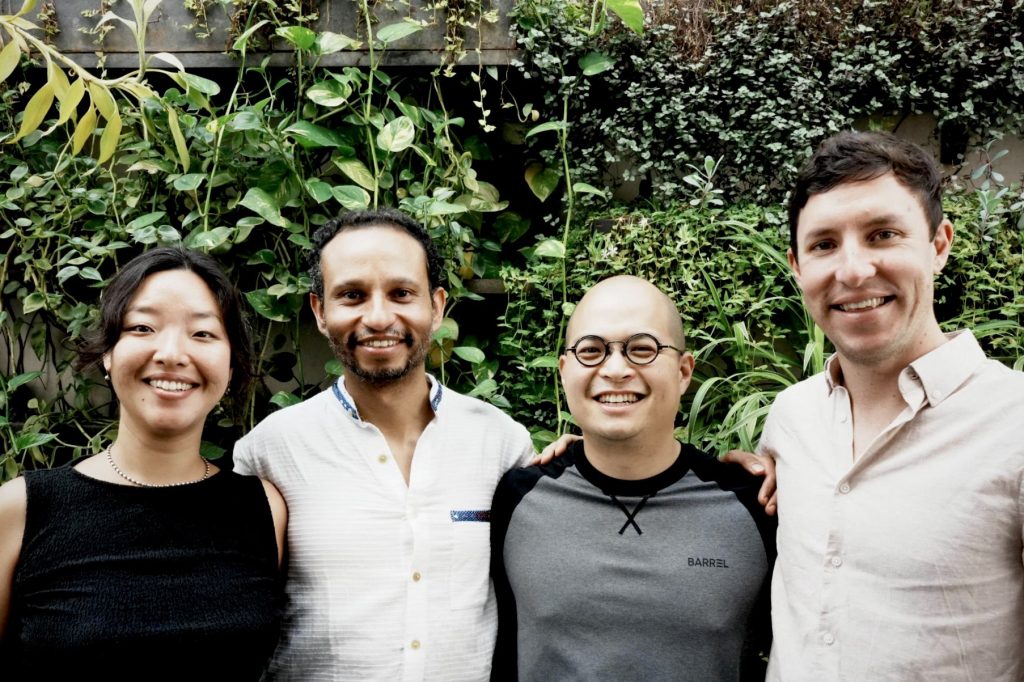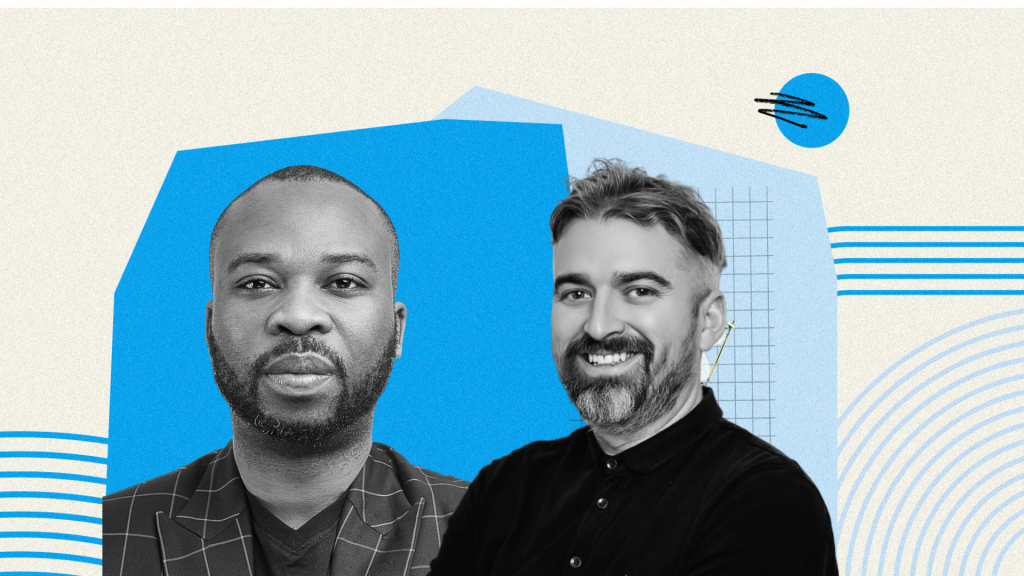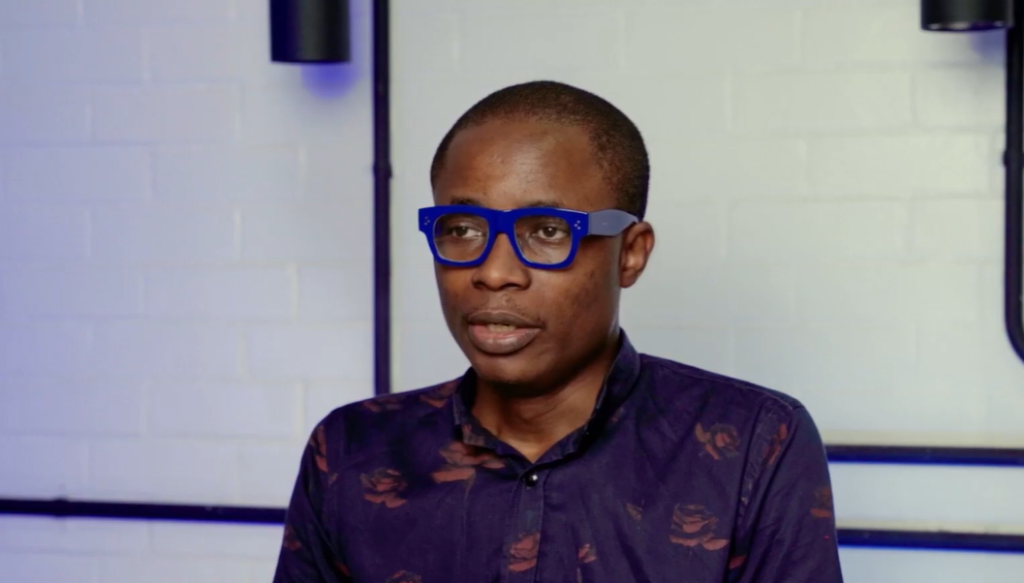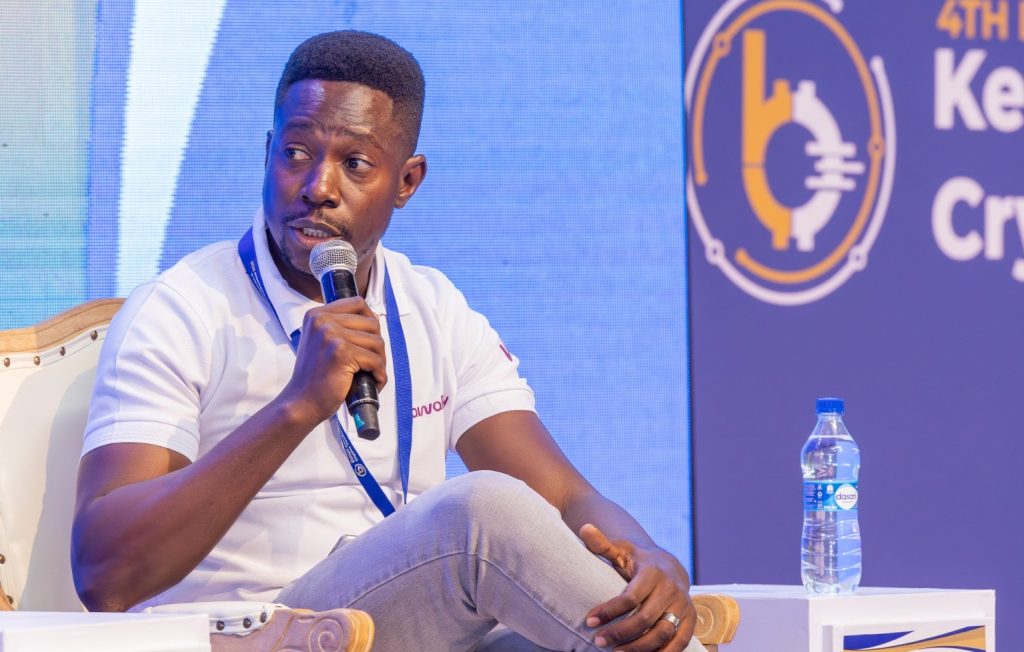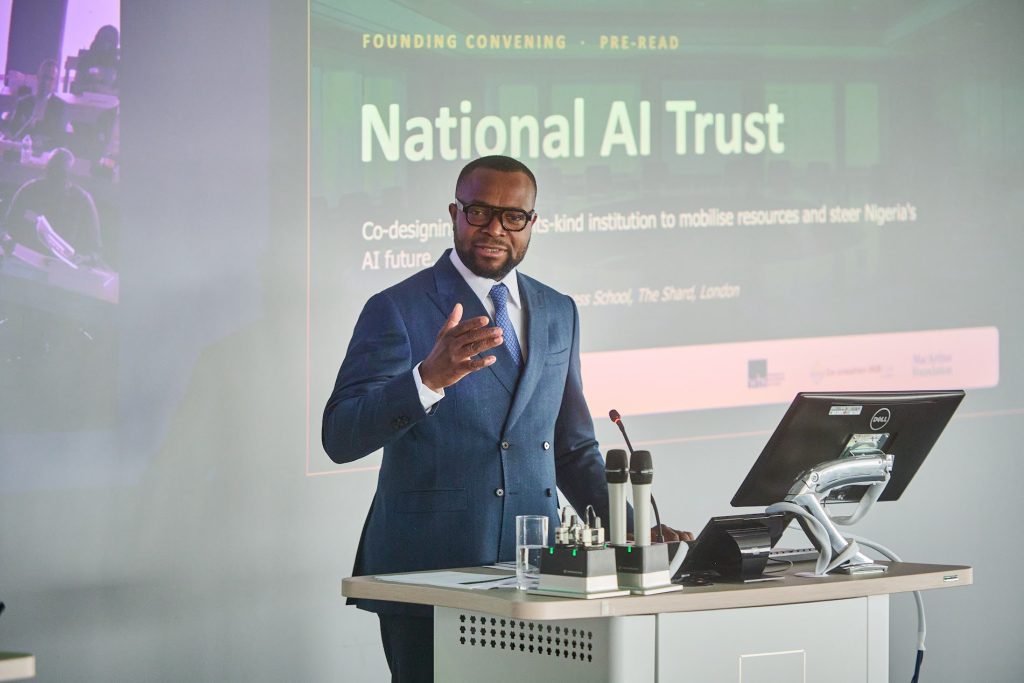


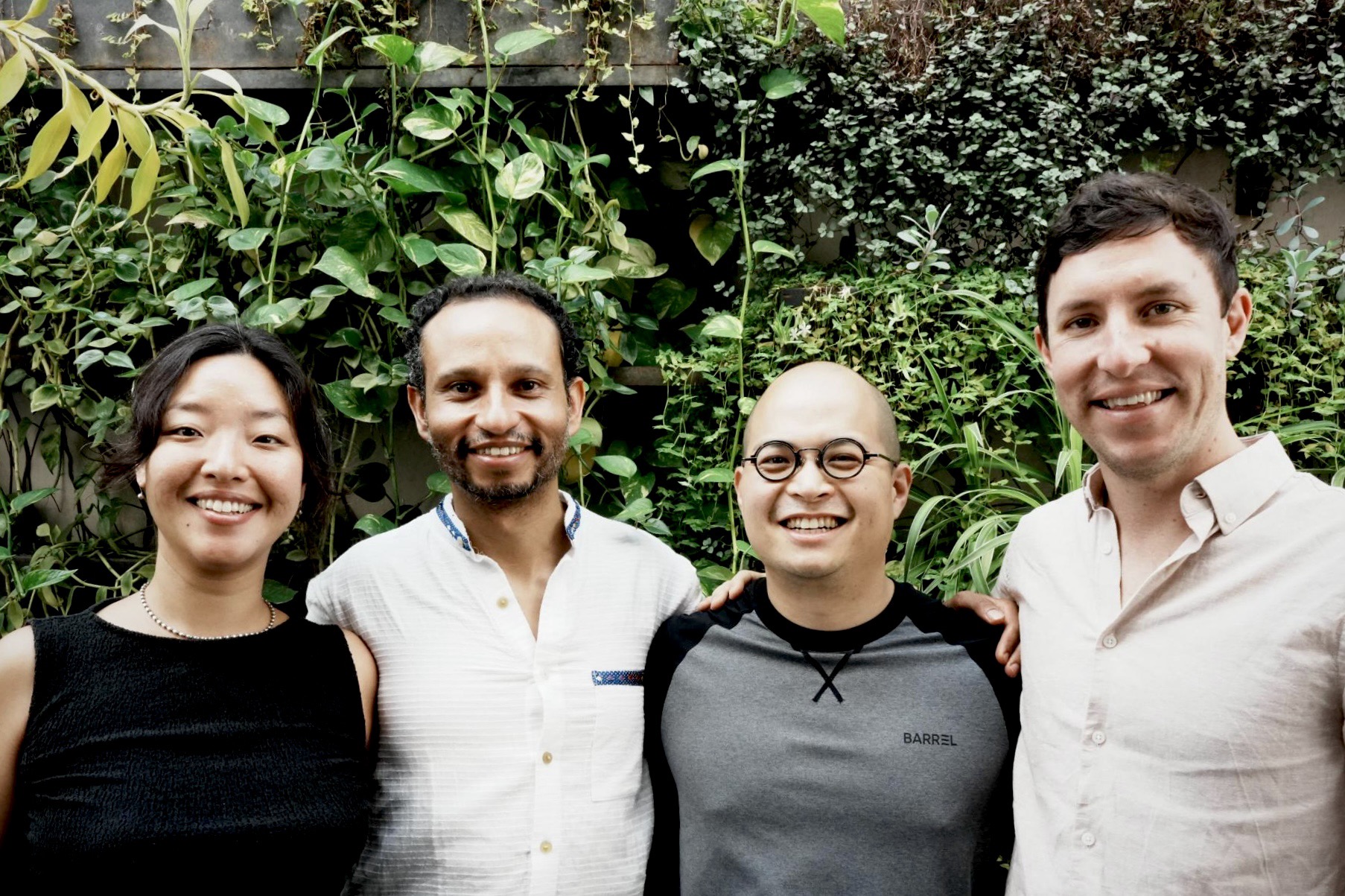
Yoseph Ayele spotted a pattern years before he raised a single dollar for LAVA, an early-stage Web3 fund backing African crypto startups with cheques ranging from $100,000 to $500,000.
The pattern emerged while he was building Borderless Africa, a platform he launched in 2021 to connect African founders and talent with global capital and infrastructure. Time and again, founders in Lagos, Nairobi, and Johannesburg were solving meaningful local problems, yet the investors and infrastructure providers best positioned to help them scale had little understanding of those markets.
A month-long tour across four African countries with Ethereum co-founder Vitalik Buterin sharpened his conviction. Throughout the trip, he realised that many founders—despite spending months in the same online community—were meeting one another in person for the first time.
For Ayele, the problem extended beyond access to capital or international attention. Africa’s early-stage crypto ecosystem lacked a coordination layer: a space where founders could exchange ideas, learn from one another, and build relationships, much like entrepreneurs do in Silicon Valley or Asia’s established crypto hubs.
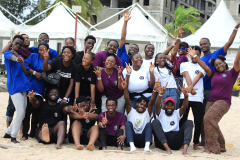
Ayele launched magma, a biannual founder residency programme run through Borderless Africa, that connected early-stage builders and infrastructure providers. According to Ayele, the programme has supported more than 40 startups building financial infrastructure and decentralised trust solutions across the continent.
Following the end of the zero-interest-rate policy (ZIRP) era in 2022, early-stage capital became significantly harder to access. Founders repeatedly told Ayele that fundraising had become their biggest constraint.
He sat with the problem for several years before launching LAVA in 2024 to back startups building what he described as the financial layer and trust infrastructure underpinning Africa’s digital economy. According to Ayele, LAVA raised $11 million to back early-stage Web3 startups developing stablecoin apps, payments infrastructure, and digital identity solutions.
About 16% of LAVA’s portfolio is based in East Africa, including stablecoin fintech HoneyCoin. Half of the fund has been deployed into West African startups—predominantly Nigerian companies—while the remainder has gone to pan-African or globally focused ventures.
Those investments include Shield3, a digital transaction security app, and Ultramarkets, a prediction-market-leveraged infrastructure startup founded by Emmanuel Njoku and Justice Eziefule. Njoku previously co-founded the now-defunct Nigerian crypto payments startup Lazerpay.
LAVA counts investors such as Coinbase chief executive officer (CEO) Brian Armstrong; Paradigm co-founders Fred Ehrsam and Matt Huang; Figma CEO Dylan Field; and the founders of Notion, Polygon, Celo, Base, Centrifuge, Huobi, Nonce, and TADA among its backers.
The fund has deployed more than half of its $11 million fund across 18 startups in its first two years, according to Ayele.
TechCabal spoke with Ayele, founder and managing partner of LAVA, and Andy Tudhope, the firm’s chief technology officer (CTO), who leads its technical diligence, about why the fund prioritises founders over markets, how the fund decides which startups to back or pass on, why exits remain scarce across Africa’s Web3 ecosystem, and what the sector still lacks.
This interview has been edited for length and clarity.
Why do you describe LAVA’s investing strategy as operator-led, and how has that helped you build conviction in the companies you’ve backed?
Ayele: The top funds in the world are run by founders, not professional money managers. In the global startup world, that has been a consistent pattern: your chances of identifying quality talent early and being a good contributor to the startups you invest in are much higher if you have gone through the journey yourself.
Having gone through the process of building technology, building companies, fundraising, and making a whole lot of mistakes, that doesn’t make us experts in everything. It gives us the ability to understand the practicalities of what it takes for the founders pitching to us and the capacity to empathise with the competing priorities and challenges they’re about to go through. Relating to our founders from an operator lens allows us to be pragmatic and hands-on where it matters and hopefully add value that’s actually meaningful for them.
You’ve said LAVA prioritises the founding team over the product or the market when evaluating a startup. What informs that order, and what have you learned about what works at the earliest stage?
Ayele: If you’re investing at an early stage, it’s all about talent. You’re backing founders. Companies pivot, markets shift, but the one constant is the founder. The pace at which a company grows is predicated on the talent, market understanding, psychology, the founder’s decision-making, and the team they build around themselves. That’s the most critical element of investing early, and we’re not the first to say it. It’s consistent across successful funds globally, including early-stage investors across Africa.
The market still matters because quality talent alone doesn’t move mountains. Finding an opportunity in a market and having clarity on which problems to solve is critical. But even that comes down to the founder’s capacity to identify those opportunities and be exceptional within that vertical.
There’s also a hierarchy we believe in that sometimes gets flipped in venture capital, where the investor gets placed above the founder. We believe it’s the other way around. The founder is the higher priority, and the investor is secondary. Practically, that means we’re in the business of participating in founders’ success, and we only get involved in startups where we can understand, contribute to, and be part of that success. Early-stage investing isn’t really a science; it’s more of an art, and we’re constantly learning ourselves.
What we know today is different from what we knew three months ago, let alone a year ago. There have been moments where we’ve said no because there was a lot we didn’t fully understand, and then come back to a company further down the road.
You’ve backed 18 startups, but you must have interacted with far more. How do you decide when a startup makes business sense and is likely to return capital, and what leads you to pass on others?
Tudhope: Each investment decision is highly contextual, so there’s no single global reason why we didn’t invest in a particular startup versus the 18 we’ve chosen so far. A large part of it comes down to the quality of the founder, and there are particular character traits we look for: history, relevant experience, and one of the biggest ones, willingness to learn and the ability to implement those learnings effectively. For the startups we haven’t backed, each has a different reason. There’s only one way to succeed and a thousand ways to fail.
Generally, when we don’t invest, it comes down to one of two things: we’re unwilling to underwrite the amount of learning we think a founder still has to do at an early stage, or we think they’re chasing something trendy on social media without deep, relevant experience in that specific niche. One of the core questions we ask in due diligence is what we are actually underwriting here. As a pre-seed investor, we’re underwriting an enormous amount of risk, but that risk differs from context to context.
Sometimes we’re underwriting almost purely execution risk, and we like that, because it means both us and the team can focus on building an exceptional product that solves real problems and gets used. But if a founder is building their first business in a particular industry, has a huge amount to learn about managing a business, and is operating in a difficult market with cutting-edge technology that requires specific regulatory positioning and customer behavior change, we’re less inclined to move forward.
Regulation in Web3 across Africa is inconsistent, sometimes lagging behind the technology and issued in ways that seem disconnected from it. Has regulatory consideration played a role in your investment process?
Ayele: Some companies are regulation-heavy. Where their biggest moat is the capacity to navigate multiple jurisdictions’ regulations, we think a lot about that. Some businesses don’t intend to interface with regulatory bodies in the markets they operate in, and for those, we take a different lens entirely. It’s not a blanket decision we apply across the board.
Tudhope: That’s a good example of what I mean by a trendy topic. With the GENIUS Act [Guiding and Establishing National Innovation for US Stablecoins Act] and Clarity Act coming out of the United States, and a broader shift in how powerful governments approach crypto, it has become trendy to be compliant, regulated, and well-licenced. That counts for certain use cases, but it’s often slow, political, and takes time away from building products that actually solve problems for real people.
What I personally care about is whether you’re building something that solves real problems in a way that generates value directly, and it’s often possible to do that without regulation.
We get pitches every day for fully compliant, cross-border stablecoin plays that check every box, and it’s difficult to see how sponsoring jurisdiction-specific licences in Africa leads to a high return on investment. An advantageous regulatory position doesn’t automatically translate into a valuable business, because a product that solves real problems stays valuable long-term. Regulations change at least every four years. You’re playing a very different game.
Your portfolio spans financial infrastructure, creator platforms, and identity tools, split between West and East Africa with a few global bets. Is that approach intentional?
Ayele: We’ve had a big focus on financial services technology, since that’s been a clear, executable opportunity when it comes to blockchain and on-chain financial rails, and there’s still a lot of work to do there across African markets. We also have a vertical we call trust, where we’ve made bets in companies building core trust infrastructure for African markets and beyond.
As an early-stage fund, we’re ultimately backing exceptional talent solving big problems. Every conversation with a founder teaches us something, and we go down the rabbit hole with them to understand what they’re really trying to solve. That gives us flexibility in terms of who we talk to and what we focus on.
We’re bullish on opportunities across the African market, whether that’s someone in Lagos, Johannesburg, Addis Ababa, Nairobi, or Benin solving for it, or someone on the other side of the world, as long as they have a deep, intimate understanding of the problem and the ability to address it.
HoneyCoin, which raised $4.9 million in seed funding in 2025, has become one of your standout portfolio companies. What did you see in the company before that growth and before the round closed?
Ayele: We made that investment in the third quarter of 2024, and I had personally been tracking HoneyCoin before that. A pattern across many of our investments is that we track founders and teams for a significant amount of time before writing a check. We were impressed by the ambition of the founder, David [Nandwa, the founder], and by the growth the company was showing in a space that continues to become highly commoditised, as well as its ability to execute.
Building a company is all about execution, and for companies that have been around for a while before we deploy capital, there’s enough of a track record to show exactly how someone is executing.
Tudhope: One thing that stood out on the HoneyCoin investment was how much technical insight David had into the inner workings of the business. That’s not something we require for every investment, since every deal is contextual, but it was impressive how well he understood the nuances of moving money in and out of Africa, partly because he had built a lot of the micro-services himself.
A key part of our diligence was speaking with some of his [David’s] clients in Europe. We had genuinely funny conversations where clients told us that traditional money service providers promised money in Africa within three days, but it actually took six to nine. We spoke with David, and he said he’d have the money in the account by 3 p.m. the same day, though sometimes it was closer to 9 p.m.
That’s the kind of thing we love finding as investors, because his clients weren’t saying the business was perfect. They were making an order-of-magnitude point: it’s still not exactly perfect, it’s still African, but it’s six hours instead of six extra days. Getting that kind of real-world feedback was genuinely useful in the due diligence. In a market where moving money in and out of Africa remains difficult, no matter how many licences or stablecoins you throw at it, the real question is how much that friction affects the people you’re serving.
How do you think about exits as an early-stage fund, and has LAVA made any so far?
Ayele: We think about exits significantly as a fund. My personal view is that whatever conversation exists publicly around this topic is one step behind where reality is heading, because if you’re backing companies today, your exit timeline in early-stage investing is generally 6–10 years out.
We’re still early, so we haven’t actively pursued any direct exits.
In this sector, there are several paths that exits can take: acquisition by global or local firms, companies embedding tokenisation into their model in a way that provides liquidity, selling secondaries at later stages, or eventually listing, locally or globally.
One thing we’ve done intentionally is build our LP [limited partner] network around the highest-quality relationships we can find, including founders of large global companies, big family offices, and GPs [general partners] of large funds—the kinds of people who could become acquirers of our portfolio companies, follow-on investors, or open doors to potential acquirers.
In many ways, we’re thinking about exits from the other direction, starting there and working backward, and we’re constantly in conversations with exchanges and other players interested in acquiring African companies.
As a fund in a still-early ecosystem, we have to think about that proactively rather than leave it to fate. We believe that startups with clear fundamentals, founders who deeply understand the problem they’re solving, defensible moats, and a long-term orientation will find that the path to an exit becomes clearer further down the road. We’re still stepping into uncharted territory, since the number of global acquisitions and IPOs [initial public offerings] out of Africa has been small.
Why do you think African Web3 startups are struggling to attract more capital?
Ayele: We treat crypto less as a standalone sector and more as something that interacts with every other sector, so that’s worth keeping in mind. That said, we do see pockets of capital coming in, particularly around stablecoins and regulated products, but the recurring challenge is that a lot of global capital allocators and large VC funds don’t understand the market well enough to know how to underwrite risk here. That creates a chicken-and-egg cycle: they don’t participate because they don’t know enough, and they don’t learn more because they’re not participating.
A lot of investors I knew, mostly from the US, put money into the wrong things in Africa because their understanding came from a theoretical place rather than first principles. There was a period when founders building the African version of whatever was trending elsewhere raised a lot of money, even when those ideas made little sense here.
Funds like ours have a role in bringing co-investors along and helping global funds get access to the opportunities that exist here, because it’s a two-way street. Funds that come in and invest get real exposure to growth. But Africa isn’t one market; it’s a collection of many. Part of our job is helping global allocators understand, for example, what the stablecoin market in Nigeria actually looks like: the risks, the growth opportunities, and what gives a company a durable moat.
Tudhope: I’d roughly agree. It’s wrong to treat crypto and Web3 as one thing, especially in Africa. Yoseph’s early thesis was that Africa needs crypto and crypto needs Africa, because there are genuine use cases across a multitude of domains, not just one. I don’t think there’s a lack of money. I think there isn’t sufficiently well-educated money in terms of its ability to truly underwrite risk in Africa, and that’s not unique to crypto or Web3.
The question isn’t how you get more money into crypto and Web3 in Africa. It’s how you help people understand what risks actually exist here, which is the same as educating them about what opportunities exist. That’s a big part of what LAVA does. Wherever you find founders building products that solve real problems in a way that brings value to everyone involved, there will always be sufficient money. When people complain about a lack of capital in a given sector, it’s often less a reflection of reality and more a reflection of the immaturity of the ideas or approaches on offer.
Are there enough limited partners putting money into Africa’s digital asset ecosystem, and what role should LPs be playing?
Ayele: That’s a bit hard for me to answer generally because our LP base looks quite different from that of most African funds. My understanding is that many generalist funds on the continent are backed predominantly by development finance institutions (DFIs). In our case, about 80% of our LPs are founders who’ve built multi-billion-dollar companies, including Coinbase’s Brian Armstrong and the founders of Paradigm, Figma, and Notion.
We’d definitely like to see more capital deployed into the continent and more global funds participating in the market. Without naming names, there are African LPs in some of the world’s biggest crypto funds, as well as African family offices that have invested in the space. It’s been fascinating to understand how they’re thinking about Web3 globally and the opportunities they see in African markets.
We deliberately chose not to raise from DFIs because we wanted to move quickly and stay a step ahead in our decision-making, focused on what makes sense for founders and our investment thesis. We reserve capital for follow-on investments, and if we need additional capital for a specific opportunity, we can raise a special-purpose vehicle (SPV). We haven’t done that yet, but we’ve explored it in a few cases and would approach it on a deal-by-deal basis with our existing LPs and broader network.
We actually like being a small fund because it lets us be deliberate about the cheques we write, without the pressure larger funds sometimes face to deploy capital when there aren’t enough compelling opportunities. Staying small has been a deliberate choice, and we expect that to remain the case.
Stablecoin-based fintechs like HoneyCoin, Accrue, and recently Daya have raised significant funding. Does that mean investors have stronger conviction in stablecoins specifically, compared to other parts of the Web3 stack?
Ayele: We’ve been on the stablecoin journey for several years ourselves, and the shift in the US administration’s openness to embedding stablecoins into financial markets has opened up a greater level of global interest. Stablecoins will continue to be an interesting area, but it’s not just a broad generalisation about stablecoins and fintech.
If you’re talking about the movement of money, you have to understand every step involved, who the intermediaries are, where value leaks across that chain, and where you’re building a defensible moat. When something becomes hot and licences or global interest open up, it becomes more acceptable in the traditional world, but it also opens the door for many more players to participate.
I don’t trust anyone today who simply says they’re in the stablecoin space. What does that actually mean? Are you a liquidity provider, an OTC [over-the-counter] desk, a lender, or do you hold a defensible regulatory position no one else has?
Those questions determine who’s building a business that lasts five or ten years, and whose business gets commoditised as other players with different advantages come in and take over.
Beyond stablecoins, what other sectors deserve more attention in Africa today?
Tudhope: Stablecoins are a good example of why just building rails on top of somebody else’s invention doesn’t necessarily solve problems in a sustainable, resilient way. If you’re purely using Tether or USDC, you’re exporting American monetary dominance and relying on centralised, difficult-to-audit companies for the fundamental unit you’re using.
There are good reasons some people use those tools for specific use cases, but once something becomes hot and regulated, it’s hard to see what differentiates you from a hundred other people doing the same thing.
The things we think about more deeply involve the underlying architecture of power. How do you think about credit in genuinely African-native ways, with foreign exchange risk built in, that address the real needs of African consumers and businesses? How do you embed that into existing trade finance routes, logistics, and the way mobile money already works on the continent?
Tokenisation, real-world assets, prediction markets, trade finance, and credit aren’t separate verticals here. They’re intertwined. Building technology that’s genuinely innovative in how it interfaces with power and regulation is what’s compelling.
It’s not just about taking an asset—a solar farm, a hydropower station, or a gas flare—and representing it on-chain as a receipt, because that still imports the old trust assumptions and regulatory problems into a new technological domain. What excites me is direct on-chain representation using public-ledger instruments that can be traded and programmed in ways that weren’t previously possible, and that route around some of the trust assumptions and inefficiencies the continent already knows too well.
If you had one thing to say to investors still skeptical about the viability of African digital asset companies, what would it be?
Ayele: Our job is to be sceptical. The problem is when scepticism stops you from being curious. Scepticism is healthy if it pushes you to dig deeper and understand what’s really happening, where the opportunities are, and what they mean for the ground we actually walk on.
When we look at a company, we don’t start by asking how much blockchain it’s using or what its crypto angle is. We see these technologies as tools to get someone from point A to point B.
Be sceptical of the technology. Be sceptical of things we’re all still trying to understand. But stay curious enough to ask what infrastructure needs to exist to create opportunities for the hundreds of millions of young people on this continent.
There are downstream consequences if these technologies are applied without thought. You could end up with African markets dominated by currencies that aren’t from here, or with nation-states gaining greater surveillance powers. Those outcomes could either weaken the foundations we’re standing on or strengthen them, depending on how deliberately we build.
Tudhope: Scepticism is valuable, especially when it doesn’t get in the way of curiosity. But one thing I’d tell a global audience is that Africa is probably the place most likely to realise the original vision behind decentralised networks.
The ability to deploy technology that meaningfully improves people’s lives without needing permission is incredibly powerful on a continent where so many people have been excluded from global financial systems.
It’s also worth remembering that none of the currencies used across Africa are indigenous to the continent. The rand descends from the pound. The Egyptian pound is still a pound. The Kenyan shilling is still a shilling. Those names all come from somewhere else.
The opportunity to use these tools to reclaim a form of sovereignty in a uniquely African way—one that has always been communitarian, network-based, and built on relationships rather than permission—is genuinely fascinating. My advice would be to come meet the people building here. That’s when you understand why Africa is one of the places where these technologies can be used the way they were originally envisioned.
True scale demands moving beyond surface-level integrations to robust execution. We’ve filtered the noise out of Moonshot 2026, optimising the conference strictly for high-calibre connections between startup founders, global financial operators, enterprise leaders and individuals rewiring Africa’s technical frameworks.
Get 20% off Early Bird tickets for a limited time.