
Happy midweek.☀️
When I learned that Karl Toriola, MTN Nigeria’s chief executive, earned about ₦4.69 billion ($3.4 million) in total compensation in 2025, two thoughts crossed my mind. First, maybe I chose the wrong career, but CEOs aren’t born overnight; second, I became curious about everyone else’s pay cheque.
That’s what we’re trying to find out. If you work in tech in Nigeria, Kenya, Egypt, or South Africa, we’re working on an independent report exploring salaries, benefits, career progression, workplace trends, and the future of work for tech professionals. MTN CEO or not, we need you to fill out this survey, but come right back. We’ve lined up today’s dispatch, and we’d hate for you to miss it.
If you’re done filling out the survey, let’s get into it.
—Yemi
Get smarter about Francophone Africa with our newsletter, Francophone Weekly—the startups, tech policies, and institutions building the pipelines for ecosystem growth.

Fintech
Moniepoint appoints Rose Muturi to lead Kenyan operations

After acquiring a 78% stake in Sumac Microfinance Bank, a Kenyan micro-lender, in March, Moniepoint is showing it means business in the East African market. While the acquisition was a real statement of intent, tapping an experienced fintech leader is the consolidation of that intent.
Moniepoint, the Nigerian fintech unicorn, has appointed Rose Muturi as chief executive officer to lead its Kenyan operations.
What happened? Muturi joins from Branch Kenya, where she served as chief executive after helping steer the digital lender’s evolution into a regulated digital bank following its acquisition of Century Microfinance Bank. Before that, she held senior roles at Tala, HF Group, TransUnion Kenya, Chase Bank, and Standard Chartered. At Moniepoint, she will lead the group’s strategy in Kenya rather than run Sumac itself, which will continue operating under its own management.
Explain like I’m new here: Buying a bank gives you a licence. Building a bank is a different job entirely. Sumac gave Moniepoint the regulatory infrastructure it needed to operate in Kenya, but scaling a banking business requires people who understand the local market, regulators, and customers. Muturi has already done that once at Branch, making her appointment as strategic as the acquisition itself.
What’s next? Moniepoint appears to be assembling the pieces of the same playbook it used in Nigeria, where it combines payments, banking, lending, and business management tools for small businesses. Beyond Sumac, it recently acquired restaurant software startup Orda and is hiring in Nairobi across finance, product, and people operations, signalling that Kenya is becoming one of its biggest expansion bets.
Zoom out: Moniepoint is no longer just entering Kenya; it’s building for the long haul. First came the microfinance banking acquisition. Now comes the leadership. The real test is whether it can replicate in one of Africa’s most competitive fintech markets the ecosystem it built in Nigeria.


Modern Rails for Africa’s Economy: How Fincra is helping businesses collect, pay out, convert, and settle across African markets. Read more here.
Fintech
Kenya has 252 licenced digital lenders. It had none four years ago.
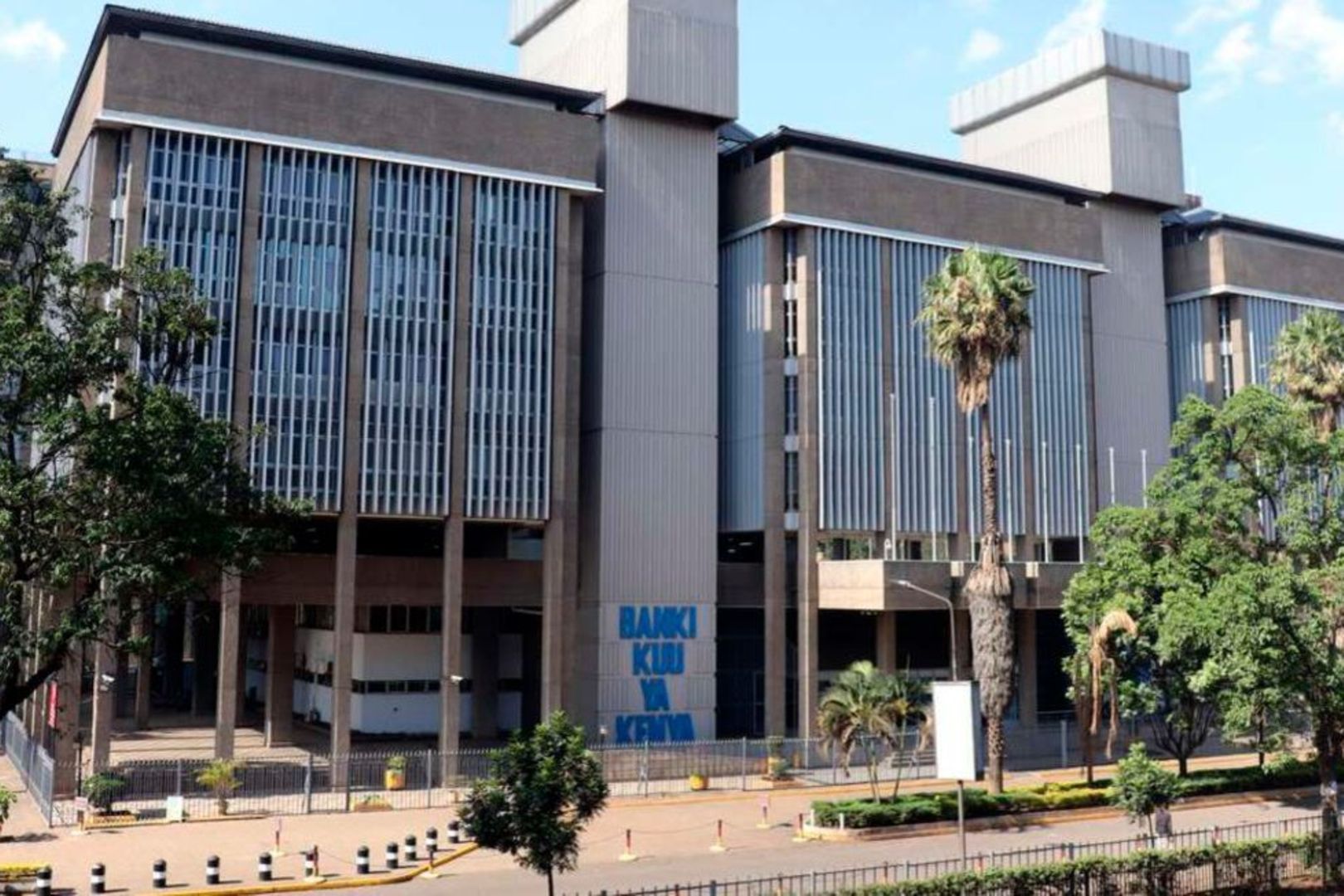
Rainy days have a funny way of introducing people to loan apps. The next time life throws you an unexpected bill and your thumb instinctively reaches for one, know this: Kenya wants every lender behind that app to have passed through the Central Bank’s scrutiny first.
On Tuesday, the Central Bank of Kenya (CBK) licenced 25 more digital lenders, bringing the total to 252 since it began issuing these licences in 2022. The latest batch follows 32 lenders it approved in April.
Explain like I’m new here: Before March 2022, Kenyan digital lenders operated in a regulatory vacuum, and they used it to their advantage. They gave out loans exceeding the central bank lending rate, and often compounded those rates without warning or clear disclosure.
And when it came time to collect, Kenyan digital lenders, much like their counterparts in other countries with long histories of abusive debt collection methods, manipulated borrowers and threatened to expose sensitive information belonging to those users.
The CBK’s licencing framework was the direct response. Every digital lender had to apply, prove it met consumer protection standards, and pass a fitness check on its management team. Since its enactment, the regulator said it has received over 800 applications; four years later, 252 have secured the much-coveted leeway to legally operate.
The numbers that matter: Licenced digital lenders have issued 8.37 million loans worth KES 150.56 billion ($1.16 billion) as of May 2026. That’s the regulated slice of Kenya’s digital lending market, not the total. Unlicensed operators still exist, and the CBK is still asking the public to report them.
Who wins here: Borrowers who previously had no recourse against predatory practices now have a regulator they can complain to. Licenced lenders get a credibility signal that unlicenced competitors can’t match.
Download PalmPay. Bank smarter.
Join millions who trust PalmPay with their money every day. Download the app.
Banking
Rwanda wants every retail digital payment on one system

Every time you send money between banks or mobile wallets, there’s infrastructure making that transfer possible. Now imagine if each provider had to build direct connections with all the others. Looks messy and expensive, right? Rwanda has decided it wants none of that.
From July 14, almost every domestic digital payment in Rwanda (bank-to-bank, bank-to-mobile wallet, mobile wallet-to-bank, and wallet-to-wallet) will now pass through eKash, the country’s national payment system.
Explain like I’m new here: Previously, customers could have very different payment experiences because delays or failures often depended on the technology used by individual banks and fintechs.RSwitch, Rwanda’s payment switch, built eKash in December 2025 to make its financial ecosystem more interoperable and advance its cashless economy ambitions.
What eKash would look like: If a customer makes a transfer from a Bank of Kigali account and wants to send that money to a mobile money recipient, the bank only needs to send a transfer instruction to eKash, which routes the payment to the mobile money operator, and the recipient gets their money.
eKash can attract transaction fees of up to RWF20 ($0.014), although financial institutions decide what users actually pay. The platform also supports transfers of up to RWF10 million (around $6,800) per transaction, though individual institutions can set lower limits.
Why the switch? Rwanda has been trying to build a cashless economy, and that only works when financial institutions can move money between one another. By routing domestic payments through one national platform, Rwanda hopes to make digital payments simpler and achieve its goal.
Who wins? With eKash in the picture, Rwandan banks and fintechs no longer have to build individual payment connections with every institution they want to work with.
What happens to your money? Nothing. You probably wouldn’t even notice the switch. The change happens behind the scenes. If eKash works as intended, transfers between financial institutions should become smoother.
Naira Life 2026 is here!

The theme for this year’s Naira Life Conference by Zikoko is “All About Wealth.”
Join 2,000+ in Lagos on August 22 for a day of practical money conversations and workshops designed to move you from simply earning an income to building lasting wealth. Get 15% off early bird tickets.
Regulation
Malawi wants every company handling your data to register with the data protection authority first

You know that moment when you’re signing up for an app, and it asks for your name, phone number, email address, date of birth, national ID, a selfie, and your location; every detail you hand over becomes personal data that can identify you or, in the wrong hands, expose you to fraud and identity theft. Malawi now wants to keep close tabs on organisations that collect all that information.
What’s happening? Malawi’s Communications Regulatory Authority (MACRA), the country’s data protection authority, has proposed new regulations that would require certain organisations that collect or process personal data to register every year.
To make those companies comply, the regulator has also proposed a tiered subscription plan, so the move, if it becomes law, doesn’t become too much of a burden to bear. Small businesses that collect and handle customer data will pay $29 annually, while larger corporations could pay over $4,000.
Explain like I’m new here: A data controller decides why and how your personal information is collected, such as banks and mobile networks, while a data processor handles that information on someone else’s behalf. Under the proposal, organisations considered significant data controllers or processors would have to register with MACRA annually and pay the applicable fee based on their size.
Why is it important? Malawi already has a Data Protection Act of 2024, and these regulations are about enforcing it. By requiring organisations handling large amounts of personal information to formally register, regulators know who is collecting what, making it easier to supervise them and hold them accountable when things go wrong.
Should you care? While no regulation can promise that your personal information will never be leaked or stolen, it discourages organisations from casually handling your data.
Showcase Your Brand at Moonshot by TechCabal

Founders. Investors. Policymakers. Enterprise leaders. Moonshot 2026 brings together the people shaping Africa’s technology ecosystem across AI, commerce, climate, enterprise, and culture. Spotlight your brand today.
CRYPTO TRACKER
The World Wide Web3
Source:

|
Coin Name |
Current Value |
Day |
Month |
|---|---|---|---|
 Bitcoin Bitcoin |
$64,884 |
+ 3.66% |
– 1.44% |
| Ether |
$1,777 |
+ 1.99% |
+ 9.48% |
| XRP |
$1.10 |
+ 1.15% |
– 0.29% |
| Solana |
$79.11 |
+ 1.48% |
+ 23.49% |
* Data as of 06.50 AM WAT, July 15, 2026.
Opportunities
- Building an off-grid energy solution? All-On is offering up to $1 million in blended finance through its Off-Grid Challenge 2026 to support innovative energy access projects. Applications close July 31, 2026.Apply here.


Written by: Opeyemi Kareem and Zia Yusuf
Edited by: Emmanuel Nwosu & Ganiu Oloruntade
Want more of TechCabal?
Sign up for our insightful newsletters on the business and economy of tech in Africa.
- The Next Wave: futuristic analysis of the business of tech in Africa.
- Francophone Weekly by TechCabal: insider insights and analysis of Francophone’s tech ecosystem
P:S If you’re often missing TC Daily in your inbox, check your Promotions folder and move any edition of TC Daily from “Promotions” to your “Main” or “Primary” folder and TC Daily will always come to you.