Africa’s digital economy is entering a new phase. Over the past two decades, investment has expanded connectivity across the continent, bringing more people and businesses online. The next phase will be defined by the infrastructure and capabilities required to turn that connectivity into greater economic value.
Artificial intelligence is accelerating that shift. Its foundations include reliable electricity, data centres, cloud infrastructure, high-capacity networks, computing power and technical skills. As AI becomes more integrated into business and public services, these foundations will play an increasingly important role in determining how African economies participate in the next stage of digital growth.
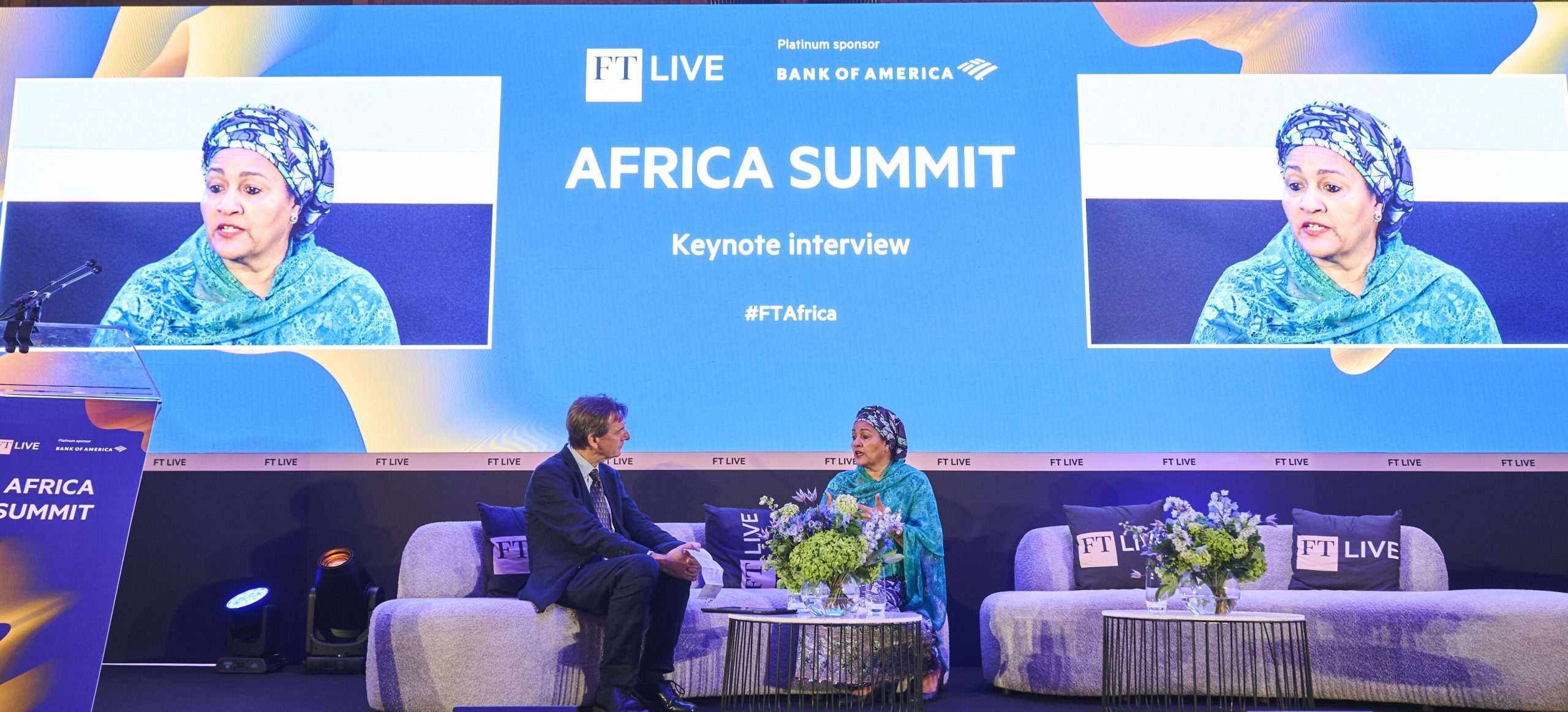
These questions will feature prominently at the FT Africa Summit 2026, where policymakers, investors and business leaders will examine the infrastructure required to support Africa’s expanding technology economy.
From connectivity to capability
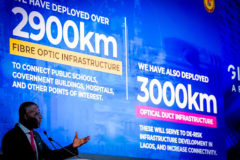
Africa’s connectivity landscape continues to evolve. The 2Africa subsea cable spans more than 45,000 kilometres, increasing international bandwidth, while low Earth orbit satellite services are expanding the possibilities for reaching areas beyond established fibre networks.
The opportunity now extends further inland. Terrestrial fibre, affordable devices, cloud access and reliable power will determine how effectively businesses, research institutions and technology companies can use that connectivity.
This represents a shift from connecting markets to building the digital capacity required for businesses and entrepreneurs to create, scale and compete.
Building the infrastructure for AI
AI brings the question of digital infrastructure into sharper focus.
The International Monetary Fund estimates that Sub Saharan Africa has around 160 data centres, with close to half concentrated in South Africa, Nigeria and Kenya. Expanding compute capacity across more markets will require investment in power, cloud infrastructure, networks and specialised computing hardware.
Global technology companies can bring capital, expertise and infrastructure at significant scale. Their investment can also support the development of local skills, employment and technology ecosystems when connected to domestic capability building.
Regional cooperation could strengthen this opportunity further. Shared infrastructure, greater coordination around data and investment in computing capacity could help countries achieve greater scale while widening access to the infrastructure needed to build and deploy AI.
Building AI for African markets

Data will be equally important.
AI systems require high quality datasets that reflect the languages, markets and social contexts in which they operate. Stronger local datasets, research capacity and data governance can support the development of applications designed around African priorities, from financial services and agriculture to healthcare, education and public administration.
Universities, technology hubs, governments and private companies all have a role in building the skills, data and research ecosystems required to support this next phase.
Africa’s digital opportunity will increasingly depend on the connection between infrastructure, local capability and innovation.
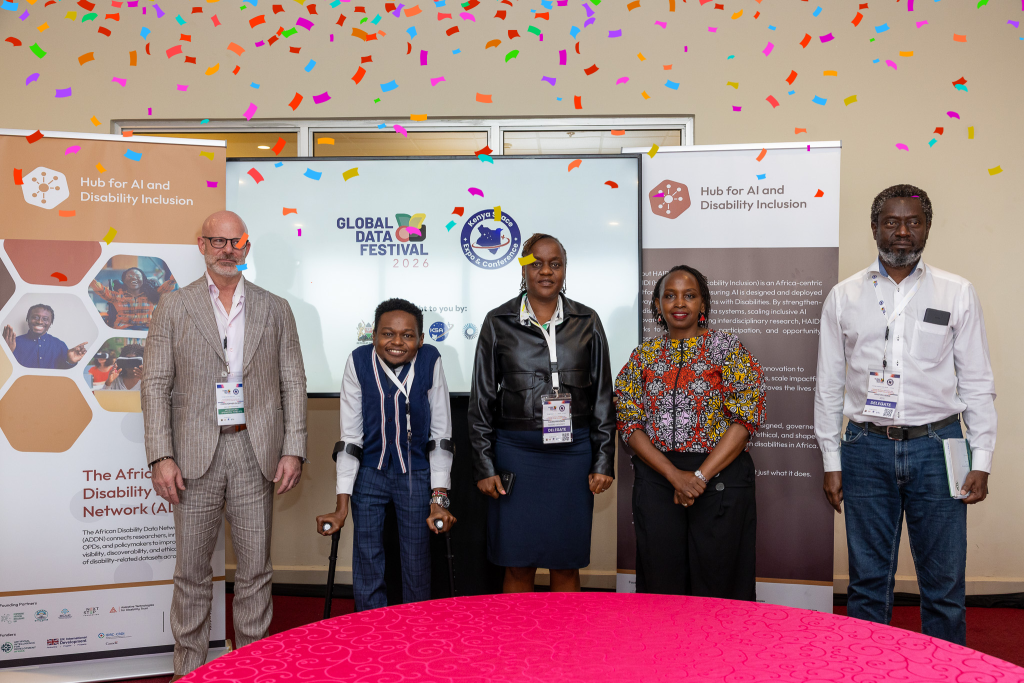
At the FT Africa Summit 2026, discussions on connectivity, digital infrastructure and technology will explore how the continent can turn expanding digital access into computing capacity, locally relevant innovation and long-term economic growth, with perspectives from Salima Monorma Bah, Minister of Communications, Technology & Innovation, Republic of Sierra Leone, Hardy Pemhiwa, Group CEO, Cassava Technologies and Babacar Seck, Founder & Managing Partner, Askya Investment Partners.